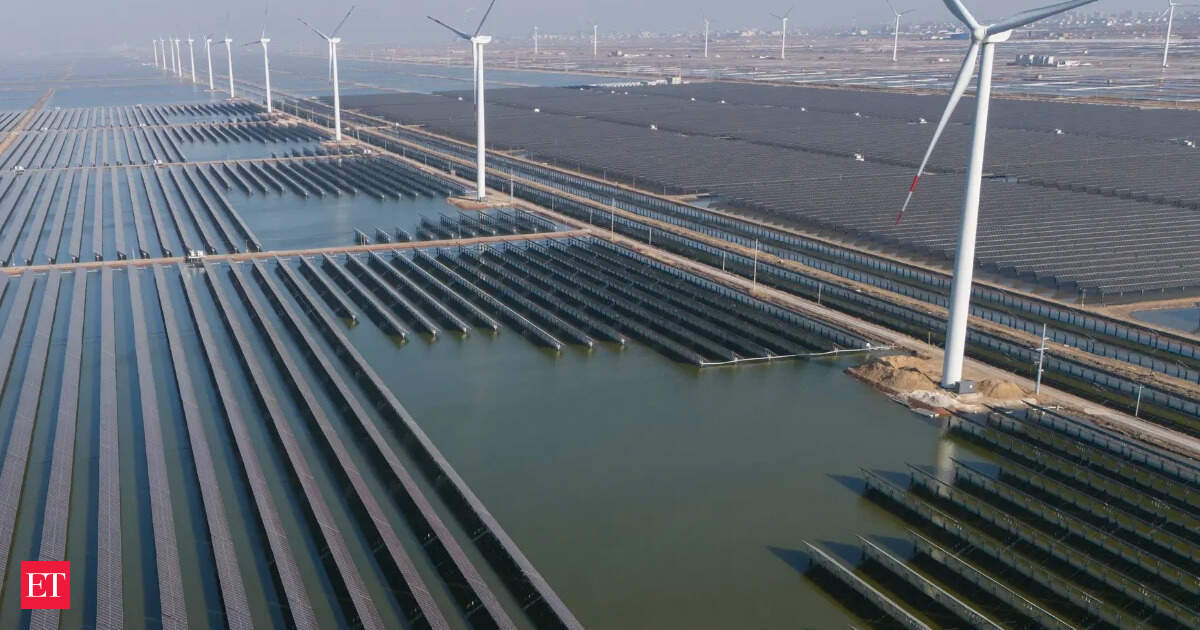
India is recalibrating its renewable energy strategy to prioritize national energy security over traditional climate-focused targets. The shift follows persistent concerns regarding crude oil supply disruptions and the inherent volatility of global energy markets. By transitioning the narrative toward domestic independence, policymakers and industry leaders are aiming to accelerate the deployment of solar, wind, and green hydrogen infrastructure. The objective is to move beyond gigawatt-scale capacity and reach terawatt-level output to displace the reliance on imported crude oil.
Reducing Dependence on Imported Crude
The reliance on imported fossil fuels remains a structural vulnerability for the Indian economy. As global energy corridors face increasing pressure from geopolitical friction, the cost of maintaining energy security through traditional channels has risen. Integrating green hydrogen into the industrial energy mix offers a pathway to decouple domestic manufacturing from international oil price fluctuations. Expanding solar and wind capacity is no longer viewed solely as a decarbonization effort but as a strategic hedge against the supply chain risks inherent in global energy logistics.
Scaling Infrastructure for Terawatt Capacity
The transition from gigawatt to terawatt capacity requires a fundamental change in how energy projects are financed and integrated into the national grid. Scaling to this magnitude necessitates significant upgrades to transmission infrastructure and storage capabilities. The focus on green hydrogen is particularly relevant for heavy industries that currently rely on oil-based feedstocks. By localizing production, the country aims to insulate its industrial base from the supply shocks that frequently impact the crude oil profile.
AlphaScala data currently tracks various sectors for shifts in operational efficiency and market sentiment. For instance, NOW stock page holds an Alpha Score of 54, while KEY stock page maintains a score of 71. These metrics reflect broader trends in how technology and financial services are adapting to the evolving macroeconomic environment, including the push toward more resilient energy systems.
Strategic Implications for Energy Markets
The push for terawatt-scale renewables signals a long-term shift in demand patterns for traditional energy commodities. As domestic renewable capacity grows, the demand profile for imported crude oil is expected to face downward pressure. This transition is consistent with broader shifts in commodities analysis, where nations are increasingly prioritizing self-sufficiency to mitigate the impact of regional instability. The next concrete marker for this transition will be the release of updated government policy frameworks regarding green hydrogen subsidies and the specific timelines for grid expansion projects. These filings will determine the pace at which private capital enters the renewable sector to support the terawatt-scale goal.