The Event: A Formal Request for NAFTA Renewal
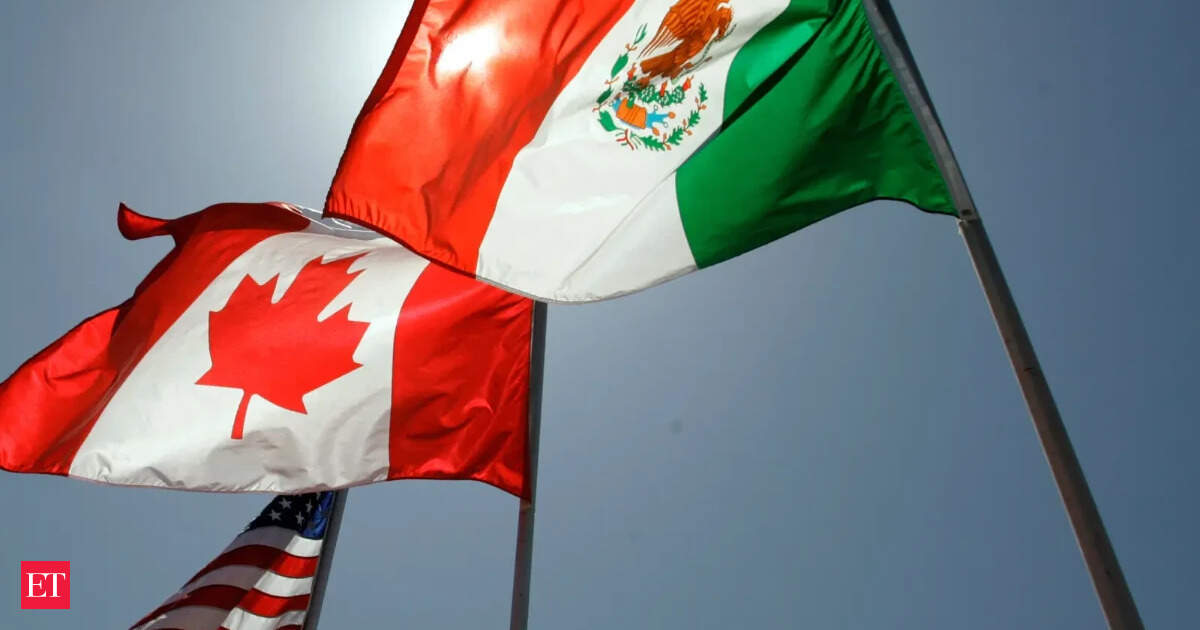
Canada and Mexico have told the United States they want the North American free trade agreement renewed. The request reopens a trade-policy chapter that markets had largely priced as settled under the USMCA framework. For traders, the immediate question is whether this is a procedural signal or the start of a new round of tariff uncertainty.
The simple read is that all three partners want to keep cross-border trade flowing. The better market read is that any renegotiation introduces execution risk. The USMCA, which replaced the original NAFTA in 2020, includes a mandatory review clause in 2026. A formal request now could either accelerate that review or signal that one party wants to change terms before the scheduled date. Either path injects a catalyst that most sector models do not account for.
Exposure: Which Sectors Carry the Most Tariff Risk
Three sectors are directly exposed to a NAFTA renegotiation: autos, agriculture, and energy. The auto sector relies on cross-border supply chains that were rewritten under the USMCA's stricter rules of origin. Any reopening of those rules could force automakers to rebalance production between the three countries. Ford, General Motors, and parts suppliers with heavy Mexico exposure would face the highest adjustment costs.
Agriculture is the second major exposure. Canadian dairy and poultry access to the US market was a contentious point in the original USMCA talks. A renewal request could revive those disputes. US farmers exporting corn and soybeans to Mexico also face risk if tariff schedules are reopened.
Energy is the third leg. Mexico's energy reforms and US natural gas exports to Mexico are governed by USMCA provisions. A renegotiation could alter investment flows into Mexican pipelines and US LNG terminals.
Timeline and Next Catalysts
The timeline is unclear. The request itself does not set a deadline. The next concrete marker is the US response. If the United States agrees to formal talks, a negotiation period of 12 to 18 months is typical. If the US declines or delays, the request becomes a political signal with no immediate market impact.
Traders should watch for any mention of tariff threats or sector-specific demands in official statements. The USMCA review clause requires the three countries to assess the agreement every six years. A renewal request could be a precursor to that review, or it could be an attempt to bypass it.
What Would Reduce the Risk
The risk would shrink if all three parties quickly agree to a technical renewal with no major changes. That outcome would confirm that the request was a diplomatic formality. A joint statement affirming the existing USMCA terms would also reduce uncertainty.
Another risk-reducing signal would be the absence of tariff threats. If the United States does not link the renewal request to other trade disputes, markets can treat it as a routine administrative step.
What Would Make It Worse
The risk escalates if any party ties the renewal to non-trade issues such as immigration or security. That would turn a trade negotiation into a broader geopolitical bargaining chip. Sector-specific tariff proposals, especially on autos or agriculture, would trigger immediate repricing in affected stocks.
A prolonged negotiation without a clear deadline would also hurt. Uncertainty itself is a cost for companies with cross-border supply chains. Capital expenditure decisions in the auto and energy sectors could be delayed until the terms are clear.
The Next Decision Point
The next decision point is the US government's formal response. If the US agrees to talks, the market will shift focus to the negotiating mandate and the specific chapters up for revision. If the US declines, the request becomes a political statement with limited trading relevance. For now, the event is a watchlist item for anyone holding exposure to North American trade-sensitive sectors. The stock market analysis page tracks sector-level risk as the story develops.