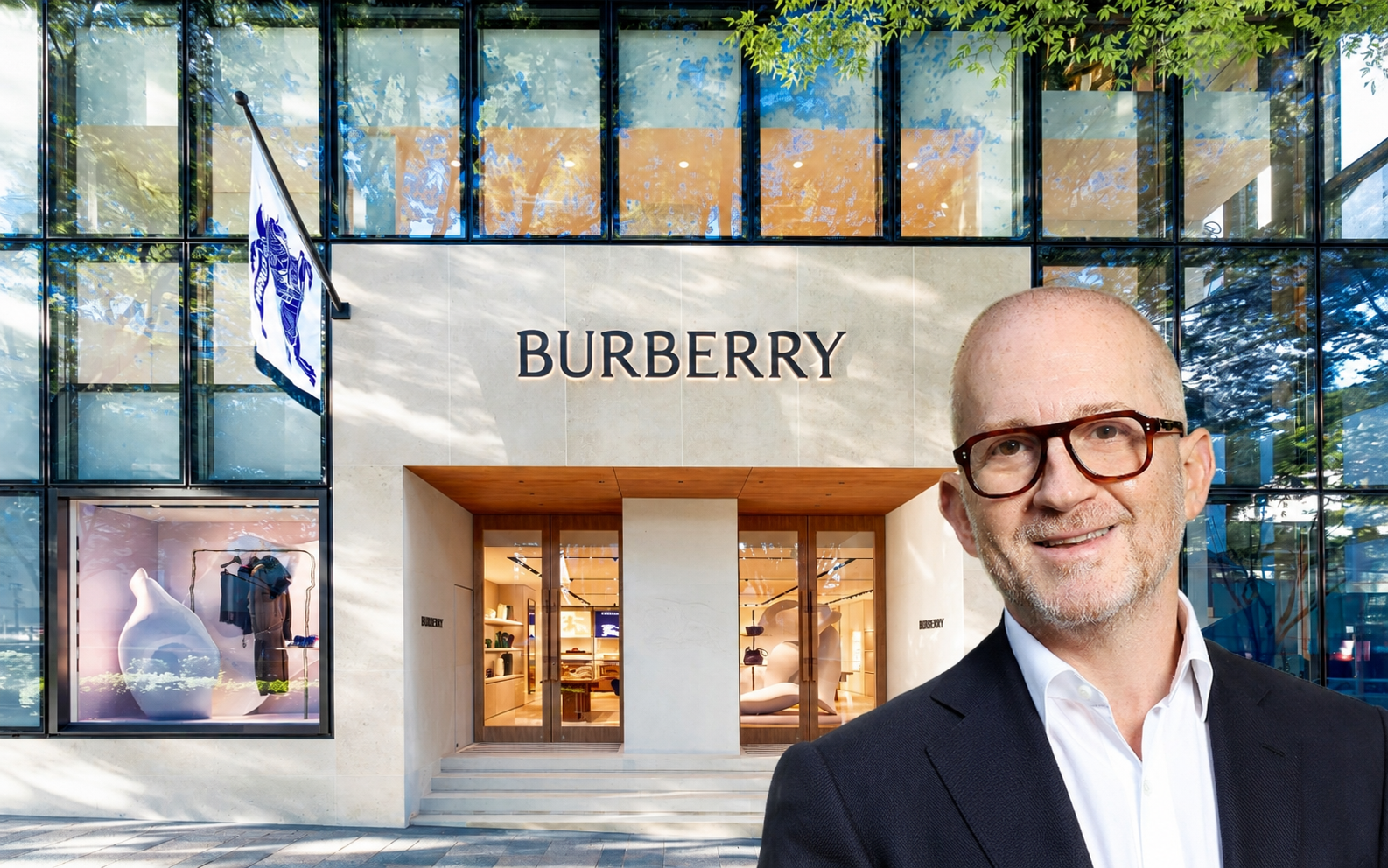
Burberry chief executive Joshua Schulman could earn up to £12.2m under a new bonus scheme, a 205% increase from his £4m compensation in the year to March 2025. The pay overhaul coincides with the luxury retailer quietly scaling back its climate ambitions. The timing clarifies the trade-off the sector faces between executive incentives and ESG commitments.
CEO Pay Jump and ESG Rollback at Burberry
Schulman, who joined Burberry from Coach in July 2024, received £1.2m in base pay last year. The new maximum award is roughly ten times that baseline. Bonuses of this magnitude are typically tied to financial metrics – revenue growth, operating margin, or free cash flow. Pushing back climate targets removes a cost headwind that would otherwise pressure near-term margins. The risk is that institutional capital allocators – particularly European pension funds with net-zero mandates – begin to discount the stock or vote against the pay plan at the annual meeting.
For traders, the signal is direct: Burberry is betting that luxury consumers value product cachet over carbon pledges. That may hold in the short term, especially if cost-of-living pressures continue to squeeze discretionary spending. The company opens itself to scrutiny from ESG-focused investors and proxy advisors.
Luxury Sector Read-Through: Margins vs. Sustainability Costs
The read-through for the luxury sector is not about Burberry alone. LVMH, Kering, and Richemont all face the same structural tension: defending luxury margins while meeting external ESG targets that add procurement, logistics, and reporting costs. Burberry's decision to relax its climate timeline suggests management believes the cost of compliance outweighs the brand risk of delay. If peer companies follow, the sector-wide ESG premium could compress.
Investors should watch two mechanisms. First, the cost of sustainable raw materials – certified leather, recycled cashmere, low-carbon packaging – which adds 5-15% to input costs. Scaling back targets lets Burberry use cheaper conventional inputs, protecting gross margin in a soft demand environment. Second, the bonus structure itself matters. If Schulman's payout is tied predominantly to earnings per share or return on invested capital, it signals a hard pivot to financial discipline. If it includes a customer satisfaction or innovation component, the strategy is more nuanced.
Next Catalyst: AGM Vote and Consumer Demand
The next decision point for Burberry is the annual general meeting later this year, where the pay proposal will go to a shareholder vote. Advisory firms such as ISS and Glass Lewis have flagged aggressive performance-based pay as a governance risk. A vote against the plan – even non-binding – would pressure the board to rebase the targets or add sustainability metrics.
On the demand side, luxury sector sales remain sensitive to Chinese consumer confidence and travel retail recovery. Burberry's like-for-like growth in Asia Pacific is the nearest leading indicator for whether the CEO's profit-first strategy can deliver. If sales disappoint, the bonus structure becomes a liability because it pays out on a base that is not growing.
For anyone building a luxury watchlist, the Burberry case is a concrete example of how ESG commitments become elastic when margins shrink. The sector's ability to reset climate timelines without losing investor credibility will determine whether this is an isolated case or the start of a broader rethink.
AlphaScala handles stock market analysis and maintains a profile for Burberry. For a broader view of luxury goods valuation, see our best stock brokers guide.