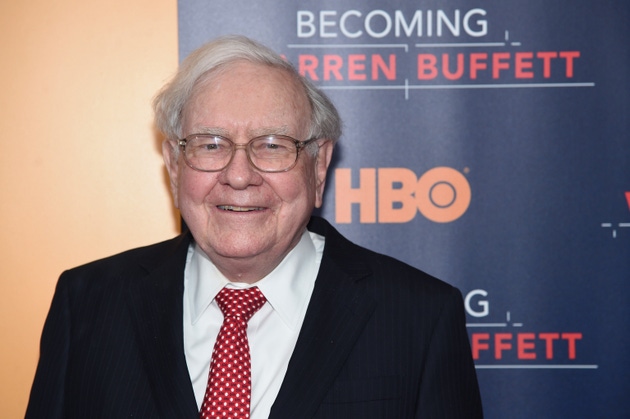
Chairman Warren Buffett utilized the opening of the Berkshire Hathaway annual meeting to solidify the company's long-term leadership transition. By explicitly confirming that Greg Abel remains the designated successor for the CEO role, Buffett addressed lingering questions regarding the future management of the conglomerate. The declaration serves as a definitive endorsement of the existing succession framework that has been in place for several years.
Succession Stability and Corporate Governance
The reaffirmation of Greg Abel as the future chief executive provides a clear signal to shareholders regarding the continuity of Berkshire's decentralized operating model. Abel has long managed the non-insurance operations of the firm, a role that has provided him with deep exposure to the diverse portfolio of subsidiaries under the Berkshire umbrella. By signaling that the transition plan remains unchanged, Buffett aims to mitigate uncertainty that often accompanies the leadership succession of a founder-led institution.
This clarity is essential for the firm's institutional investor base, which prioritizes long-term capital allocation stability. The move suggests that the board of directors intends to maintain the current strategic direction, focusing on the acquisition of high-quality businesses and the prudent management of the firm's significant cash reserves. The focus now shifts to how Abel will navigate the integration of future acquisitions while maintaining the culture established by Buffett and Charlie Munger.
AlphaScala Market Context
Berkshire Hathaway currently holds an Alpha Score of 47/100, reflecting a mixed outlook as the firm navigates a period of significant leadership transition. Investors tracking the BRK.B stock page are likely to weigh this succession certainty against broader macroeconomic pressures affecting the financial and industrial sectors. While the leadership path is now more defined, the firm's ability to deploy capital effectively remains the primary metric for long-term performance evaluation.
The Path Toward Transition
The next concrete marker for investors will be the formalization of operational handovers during subsequent quarterly reports. While the succession plan is settled at the executive level, the market will monitor how Abel balances the firm's massive insurance float with the capital requirements of its energy and manufacturing units. Investors should look for specific commentary on capital allocation priorities in the next annual letter to shareholders, as this will provide the first real evidence of how the transition is influencing the firm's investment philosophy.