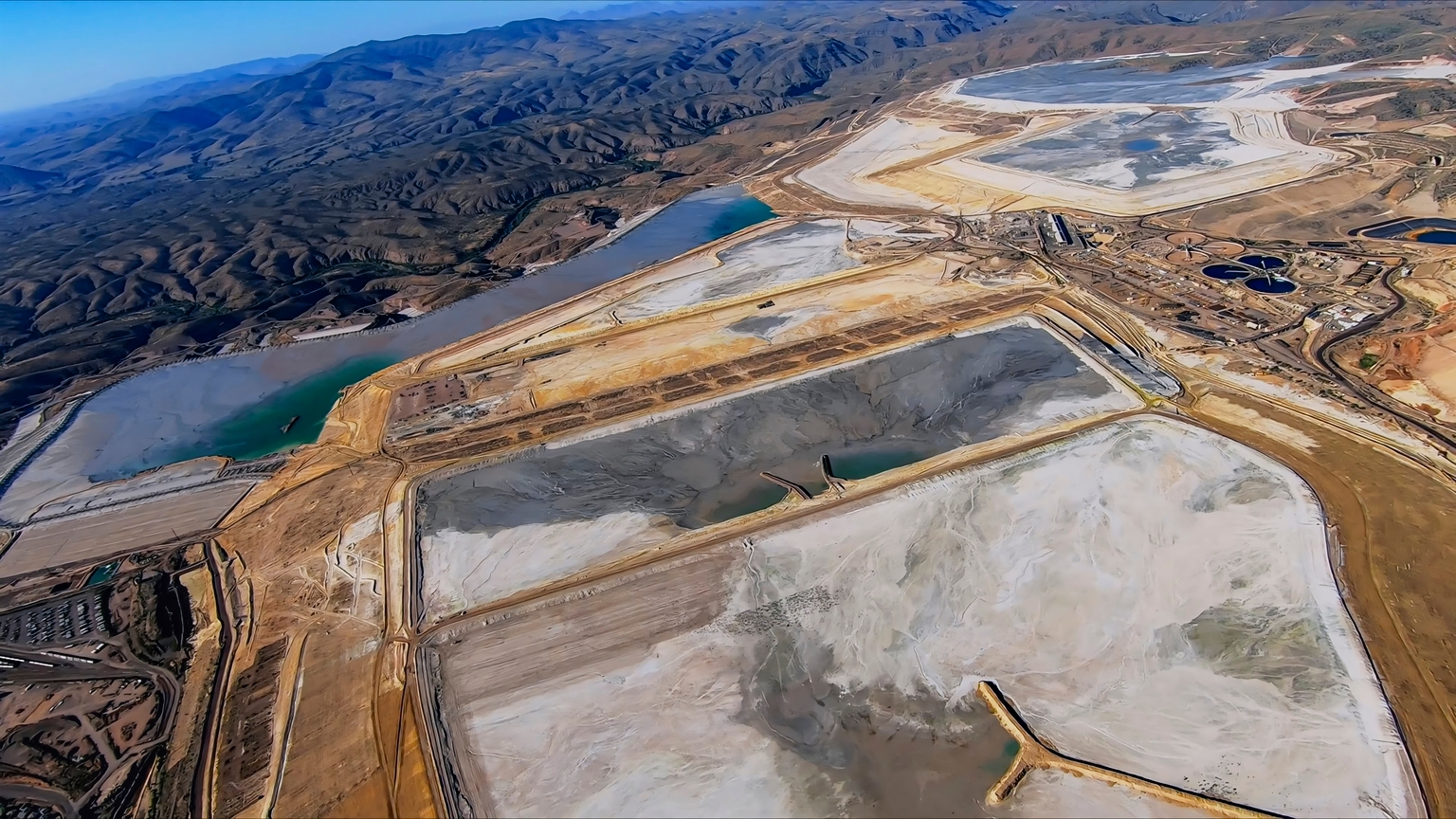
Newmont Corporation (NEM) is currently navigating a complex environment where elevated energy costs and shifting gold valuations have pressured its equity performance. Shares of the gold producer have retreated approximately 20% from the all-time highs reached in January. This pullback reflects the broader sensitivity of mining margins to input costs, particularly as fuel prices influence the cost of extraction and logistics.
Operational Costs and Energy Sensitivity
The mining sector remains highly exposed to fluctuations in crude oil prices. As energy costs rise, the variable costs associated with open-pit mining and ore transport increase, compressing the net margins of large-scale producers. While Newmont reported a robust $3.1 billion in free cash flow during the first quarter, the persistent volatility in global energy markets creates a hurdle for maintaining these cash generation levels. The company's ability to manage these input pressures is critical, as investors monitor whether operational efficiencies can offset the higher cost of diesel and electricity required for ongoing extraction activities.
Capital Allocation and Shareholder Returns
Despite the recent price decline, Newmont continues to prioritize capital returns, highlighted by a $6 billion buyback program. This commitment to returning capital to shareholders serves as a primary defense against the current equity volatility. The company's financial strategy relies on its ability to sustain high-margin production even when gold prices experience cyclical dips. Investors are currently weighing the strength of these cash flows against the potential for further margin erosion if energy prices remain elevated throughout the remainder of the fiscal year.
Market Positioning and AlphaScala Data
Newmont Corporation (NEM) currently holds an Alpha Score of 70/100, reflecting a moderate outlook within the materials sector. This score accounts for the balance between the company's strong cash flow generation and the external macroeconomic headwinds currently impacting the gold mining industry. For further details on the company's financial health, visit the NEM stock page.
Market participants are now looking toward the next quarterly production report to determine if the company can maintain its cost-per-ounce targets. The upcoming guidance update will serve as the primary catalyst for determining whether the current share price represents a value opportunity or a reflection of sustained margin compression. For broader insights into the sector, see our commodities analysis or our gold profile.