The Sovereignty Deadline and the Fiscal Reality
Bougainville is moving toward a self-imposed deadline for independence, with Autonomous Bougainville Government (ABG) President Ishmael Toroama targeting September 2027 for the archipelago to achieve full sovereignty. Located 1,500 kilometres from Australia, the region is currently an autonomous province of Papua New Guinea (PNG). While the 2019 referendum saw over 97 per cent of voters support independence, the path to statehood requires ratification by the PNG national parliament. This political hurdle is significant, as Port Moresby remains concerned that Bougainville’s secession could trigger a wave of separatist movements across the country.
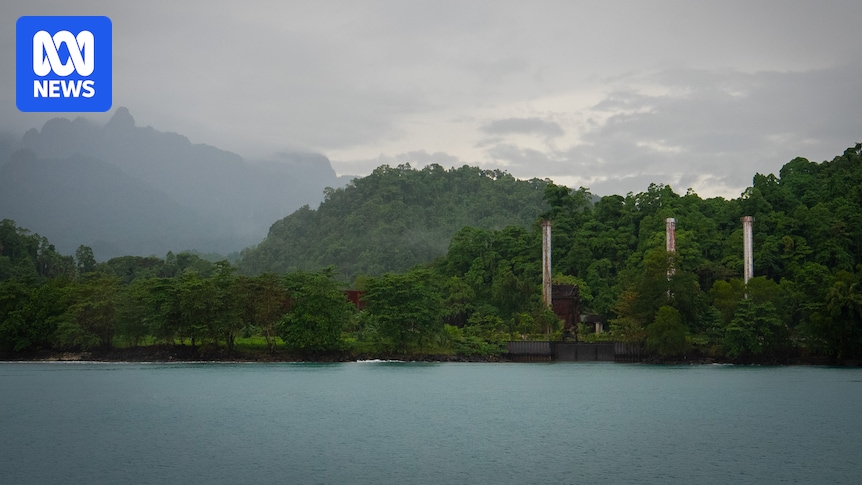
The economic viability of a new Bougainville remains the primary concern for observers and residents alike. Currently, the region generates only 5 to 6 per cent of its revenue internally, leaving it heavily reliant on financial transfers from the PNG government. With a population of over 350,000, the prospective nation lacks the established institutional capacity, banking infrastructure, and university systems required for a modern state. The ABG is attempting to bridge this fiscal gap by fast-tracking the reopening of the Panguna copper and gold mine, a site that was once the primary export engine for the region before its closure in 1989 during a brutal civil war.
The Panguna Mine as a Catalyst and Risk
The Panguna mine is central to the independence narrative, serving as the projected cornerstone for national funding. However, the government's approach to restarting operations has introduced new friction. In January, the ABG directed the license holder, Bougainville Copper Limited (BCL), to pursue a development partnership with the Indian firm Lloyds Metals and Energy Limited (LMEL). This move bypassed a separate expression of interest process that had identified a Chinese company as the preferred partner, leading to the resignation of three BCL board members.
The decision has also alienated local landowners, who claim they were not consulted. Beverley Ittamari, a landowner in the Guava village surrounding the mine, has emerged as a vocal critic, arguing that the lack of transparency and consultation mirrors the grievances that fueled the 1988–98 civil war. The conflict, which claimed up to 15,000 lives, was rooted in resentment over how wealth from the mine was distributed between foreign interests, the PNG government, and local communities. The current tension suggests that if the government fails to secure local buy-in, the project could become a source of instability rather than a fiscal solution.
Diversification and the Limits of Mining
While the government focuses on large-scale mining, some residents argue that the focus should be broader. Albert Nukuitu, a cocoa farmer in the south, highlights that agriculture has historically provided the bedrock for family stability, funding education and housing for generations. Cocoa, alongside fisheries and tourism, represents a more decentralized economic model that could provide a buffer against the volatility of global commodity prices. However, the government's current strategy remains heavily skewed toward the capital-intensive mining sector, which risks creating a narrow economic base that is vulnerable to both operational delays and social unrest.
The Path to September 2027
Negotiations between the ABG and Port Moresby are expected to reach a critical juncture next month, when the PNG parliament is scheduled to vote on the referendum result. The ABG has indicated that it is prepared to unilaterally declare independence if the vote fails. This binary outcome creates a high-stakes environment for investors and regional observers. The current situation in Bougainville, characterized by a mix of high-conviction political goals and fragile economic foundations, presents a complex risk profile.
For those tracking regional stability, the key indicator will be the government's ability to manage the Panguna mine development without reigniting the land-use disputes that previously crippled the economy. The resignation of BCL board members and the emergence of labor disputes at construction sites in Arawa suggest that the social license to operate is currently thin. Whether the ABG can balance these competing interests—landowner rights, foreign investment, and the urgent need for state revenue—will determine if the 2027 deadline leads to a functional state or a period of renewed volatility. The resilience of the Bougainvillean population, tested by decades of conflict and recent natural disasters, remains the most significant, albeit unquantifiable, variable in this transition.