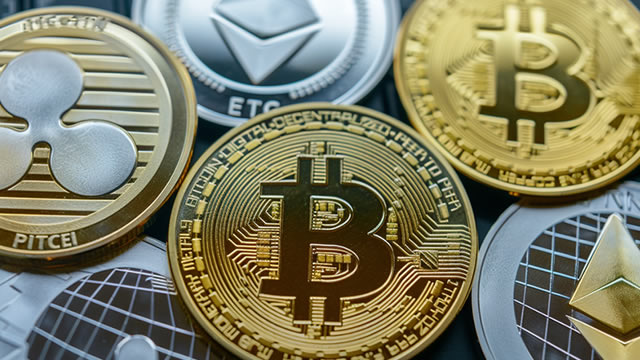
Bored Ape Yacht Club (BAYC) floor prices have doubled from roughly 5 ETH to 10 ETH over the past month, marking the sharpest recovery for the flagship NFT collection since the 2021 mania. The move is not an isolated bounce. It coincides with a 60% rally in apecoin (APE) from below $0.10 to $0.16, a surge in trading volumes, and a broader rotation out of decentralized finance (DeFi) into higher-beta crypto assets.
The simple read is that retail speculation is back. The better read is that the NFT market is repricing a disconnect between user participation and asset prices that built up during the prolonged downturn, while fresh capital is fleeing DeFi after a string of exploits and declining yields. For traders, the question is whether this is a durable re-rating or a liquidity-driven pop that will fade as quickly as it appeared.
The Floor Price Surge: 5 ETH to 10 ETH in 30 Days
The BAYC floor price, the lowest listed NFT in the collection, acts as a real-time sentiment gauge for the entire non-fungible token market. When it doubled in a month, it signaled that buyers were willing to pay twice as much for the cheapest entry point into the ecosystem. That kind of move typically requires a shift in both liquidity and narrative.
Yuga Labs’ newly appointed CEO, Michael Figge, sees the rally as a correction from an oversold condition. “It’s clear from the numbers that for some time, as far as blue-chip digital collectibles go, it was oversold,” Figge told CoinDesk. “You had this huge compression in price, but if you actually look at an overlay graph, unique holders were actually up.”
The divergence between price and holder count is the mechanism that matters. During the downturn, floor prices collapsed far more than the number of people holding the NFTs. That created a setup where any return of speculative appetite could trigger a rapid repricing, exactly what happened. The rally did not require a flood of new buyers; it needed existing holders to stop selling at distressed levels and for sidelined capital to sense a bottom.
Unique Holders Didn’t Double – But That’s the Point
A superficial critique of the rally is that unique holder counts did not double alongside prices. Figge addressed this directly: “A cynic will say prices doubled and the unique holder count didn’t double. But that’s really just recovery from a period where things fell disproportionately.”
This is the core of the better market read. When an asset falls 80% or more from its peak, a subsequent doubling only retraces a fraction of the loss. If the user base remained stable or grew slightly during the decline, the recovery in price is a normalization, not a speculative blow-off. The unique holder metric provides a floor of demand that was not reflected in panic-level pricing.
For traders, this means the rally has a structural underpinning beyond short-term hype. As long as unique holders do not start declining sharply, the downside risk is cushioned by a community that held through worse. The risk is that a rapid price increase attracts flippers who exit at the first sign of weakness, creating a new wave of selling pressure.
DeFi Exploits Are Pushing Capital Into NFTs
One of the less obvious drivers of the NFT rebound is growing stress in decentralized finance. A string of recent exploits and declining yields across lending protocols have dented confidence in a sector that was once the dominant use case for crypto. Figge pointed to this dynamic as a factor redirecting attention toward NFTs.
“With one well-planned hack, you can lose it all,” he said. “That has to get solved in DeFi, but it’s definitely made people rethink the idea that it’s the only use case. NFTs offer something different – they’re tied to communities that persist beyond just price action.”
The mechanism is straightforward: when DeFi protocols suffer exploits, users lose funds not because of market volatility but because of code vulnerabilities. That risk is binary and uncorrelated with price swings. NFTs, by contrast, carry market risk but not the same smart-contract exploit risk for the underlying asset (marketplace and wallet security remain separate concerns). For capital that wants exposure to crypto without the tail risk of a total loss from a single hack, NFTs become a relative safe haven within the high-risk universe.
This rotation is visible in sector performance. CoinDesk’s MemeCoin Select Index outperformed DeFi tokens last week, confirming that traders are moving out of yield-bearing protocols and into purely speculative assets. NFTs sit at the intersection of community and speculation, making them a natural beneficiary.
Apecoin, Memecoins, and the Speculative Rotation
The apecoin (APE) rally from below $0.10 to $0.16 with a sharp increase in trading volumes is not a coincidence. APE is the governance token of the BAYC ecosystem, and its price tends to move in sympathy with NFT floor prices. But the broader context is a market-wide shift toward high-beta bets.
Memecoins, which have no pretense of utility, are leading the charge. When traders buy assets that are explicitly jokes, it signals that risk appetite has returned to levels where narratives matter more than fundamentals. That environment is historically favorable for NFTs, which are themselves narrative-driven assets.
The risk is that memecoin rallies are notoriously short-lived. If the speculative frenzy fades, the capital that flowed into NFTs as a secondary play could reverse quickly. The timeline for this rotation is measured in weeks, not months. Traders should watch the MemeCoin Select Index as a leading indicator: if it rolls over, NFT floor prices are likely to follow.
The $2.8M CryptoPunk Loan Signals NFT Finance Revival
Beyond spot prices, signs of life are emerging in NFT-backed lending. A $2.8 million loan collateralized by a CryptoPunk circulated widely last week, with the lender set to earn roughly $138,000 in interest over 90 days. Traders described it as one of the largest NFT-backed loans to date.
This matters because it shows that capital is willing to treat high-value NFTs as collateral, not just as collectibles. The loan implies a level of price confidence: the lender believes the CryptoPunk will retain enough value over the loan term to make the deal profitable even if the borrower defaults. When NFT-backed lending expands, it adds a layer of liquidity that can stabilize floor prices by giving holders an alternative to selling.
The Pudgy Penguins collection has also rallied strongly, and speculation about a potential OpenSea token launch is adding fuel to the broader NFT market. These secondary catalysts could extend the rally beyond BAYC, but they also introduce execution risk. If the OpenSea token fails to materialize or disappoints, the air could come out of the entire sector.
What Would Confirm the Rally – and What Would Break It
For the BAYC floor price to hold above 10 ETH and push higher, three conditions need to align. First, unique holder counts must remain stable or increase. A decline would signal that the community is cashing out into strength. Second, DeFi must continue to suffer from either exploits or yield compression, keeping the rotation narrative alive. Third, the broader memecoin and speculative market cannot crash; a sudden risk-off move would hit NFTs first because they are less liquid than fungible tokens.
What would break the rally? A high-profile NFT hack or marketplace exploit would shatter the safety narrative that is currently attracting DeFi refugees. A sharp rise in ETH gas fees could also choke off trading activity, as NFT transactions are particularly gas-intensive. And if apecoin (APE) reverses below $0.12 on high volume, it would signal that the ecosystem’s speculative energy is draining.
AlphaScala’s own metrics show a mixed signal for traditional safe havens like Welltower (WELL) with an Alpha Score of 50, underscoring the rotation into speculative digital assets. When real estate stocks sit in neutral while NFT floors double, the market is telling you that risk appetite is concentrated in crypto’s most narrative-driven corners.
The next concrete catalyst is whether the floor price can consolidate between 9 and 11 ETH for two weeks without a sharp sell-off. That would build a base for a move higher. A breakdown below 8 ETH on rising volume would suggest the rally was a short-covering bounce, not a genuine recovery. Until then, the trade is a bet that the disconnect between user participation and price has further to close.