Book Exposes H-1B 'Modern Slavery' in IT Outsourcing
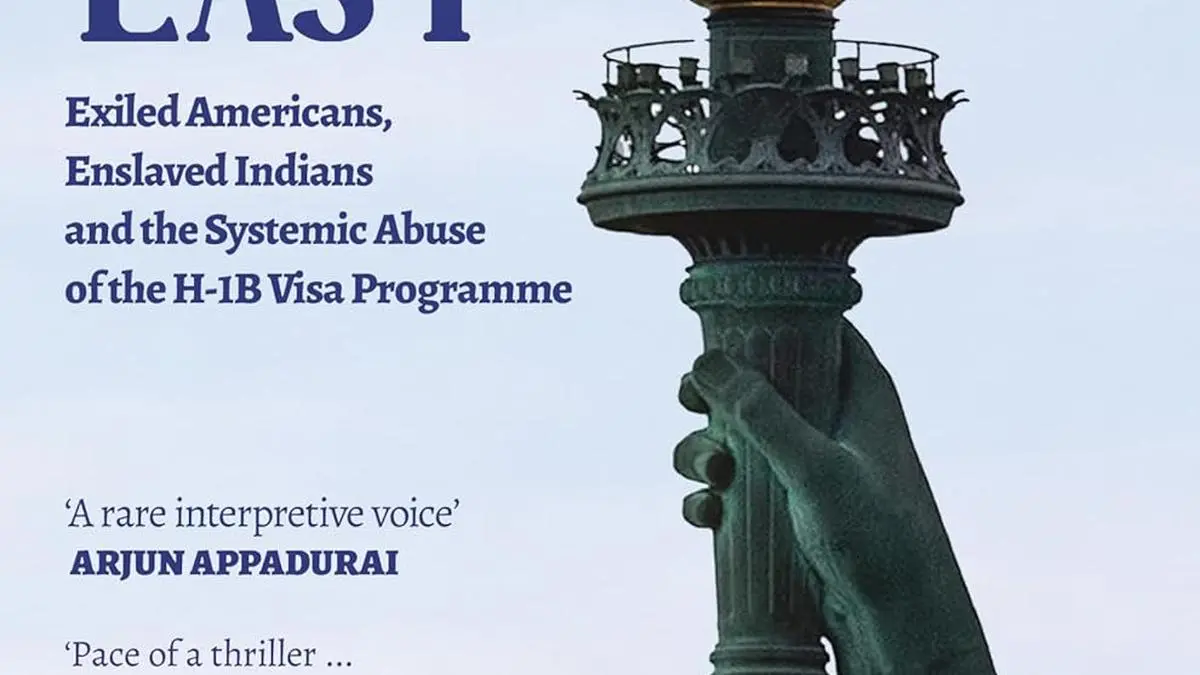
Tanul Thakur's Wild Wild East chronicles exploitation of Indian workers and displacement of US tech staff by desi consultancies and IT giants.
Alpha Score of 55 reflects moderate overall profile with moderate value, strong quality. Based on 2 of 4 signals – score is capped at 75 until remaining data ingests.
Independent journalist Tanul Thakur's new book Wild Wild East argues that a network of IT behemoths, outsourcing firms, visa mills and desi consultancies has created what he calls a system of modern slavery. The book, released this month, weaves together the stories of three people whose lives were reshaped by the H-1B visa programme.
Thakur, a film critic and former electrical engineering student at the University of Illinois at Urbana-Champaign, describes receiving a job offer in 2010 with a $60,000 salary and an H-1B visa. He hung up. Millions of other Indians took the call, he writes.
The book follows Virgil Bierschwale, a Texas-based Navy veteran trying to enter America's IT sector, and two Hyderabad natives: PK Sreenivas (also known as Kumar Pandruvada) and Manu Mitra. Kumar secured an H-1B in 2008 after multiple rejections and was hired by a New Jersey firm, 4M TechGroup, at $55,000 a year. Manu entered through an F-1 student visa at the University of Bridgeport in Connecticut.
Both men's American dreams soured over the next decade. Thakur describes a central actor: the desi consultancy, an IT body shop owned by and catering largely to Indians, which he says operates like a cult. These consultancies inflate resumes, arrange proxy interviews where someone else answers technical questions, and coach applicants during video calls by feeding them responses off-camera or via instant messages, according to Thakur. Some offshore branches in India use services like MagicJack to get US phone numbers and adopt American aliases to pose as local recruiters, he writes.
Thakur explains a typical billing structure: a 70-30 ratio means the employee gets 70% of the billing rate and the employer keeps 30%. In an ideal project, the chain runs H-1B worker, employer, prime vendor, client. In practice, one or more middle vendors insert themselves, each taking a cut. Those middle vendors enter through employers routing contracts via associates, recruiters inserting themselves into existing job postings, or hiring managers colluding with vendors, Thakur says.
Large Indian IT outsourcing firms have played a significant role in exploiting the H-1B programme, Thakur argues, citing multiple accusations of visa fraud and wage-and-hour violations. The same forces sidelined local Americans like Virgil, both White and people of colour, many of whom remained unemployed for years. Thakur says the system overwhelmingly favoured Indian workers who were "less fussy and demanding."
H-1B holders themselves faced exploitation, he writes: no pay for months, long bench periods without clarity, below-market wages, and long hours.
Thakur's book arrives as the H-1B programme faces renewed scrutiny in Washington. The narratives of displaced American workers and trapped visa holders, he argues, are two sides of the same system that prioritises corporate profitability and exploits gaps in immigration rules. The rose-tinted glasses through which Manu and Kumar viewed America come off. The readers' do too."
Wild Wild East is published by Westland Books.
Drafted by a large language model from the source reporting linked above, then screened by automated publishing checks. It is not read by a journalist before publication. Some articles cite our Alpha Score. Verify prices and figures against the original source. Educational coverage, not personalized advice.