Bonia Pivots to Experiential Retail With KL Flagship Launch
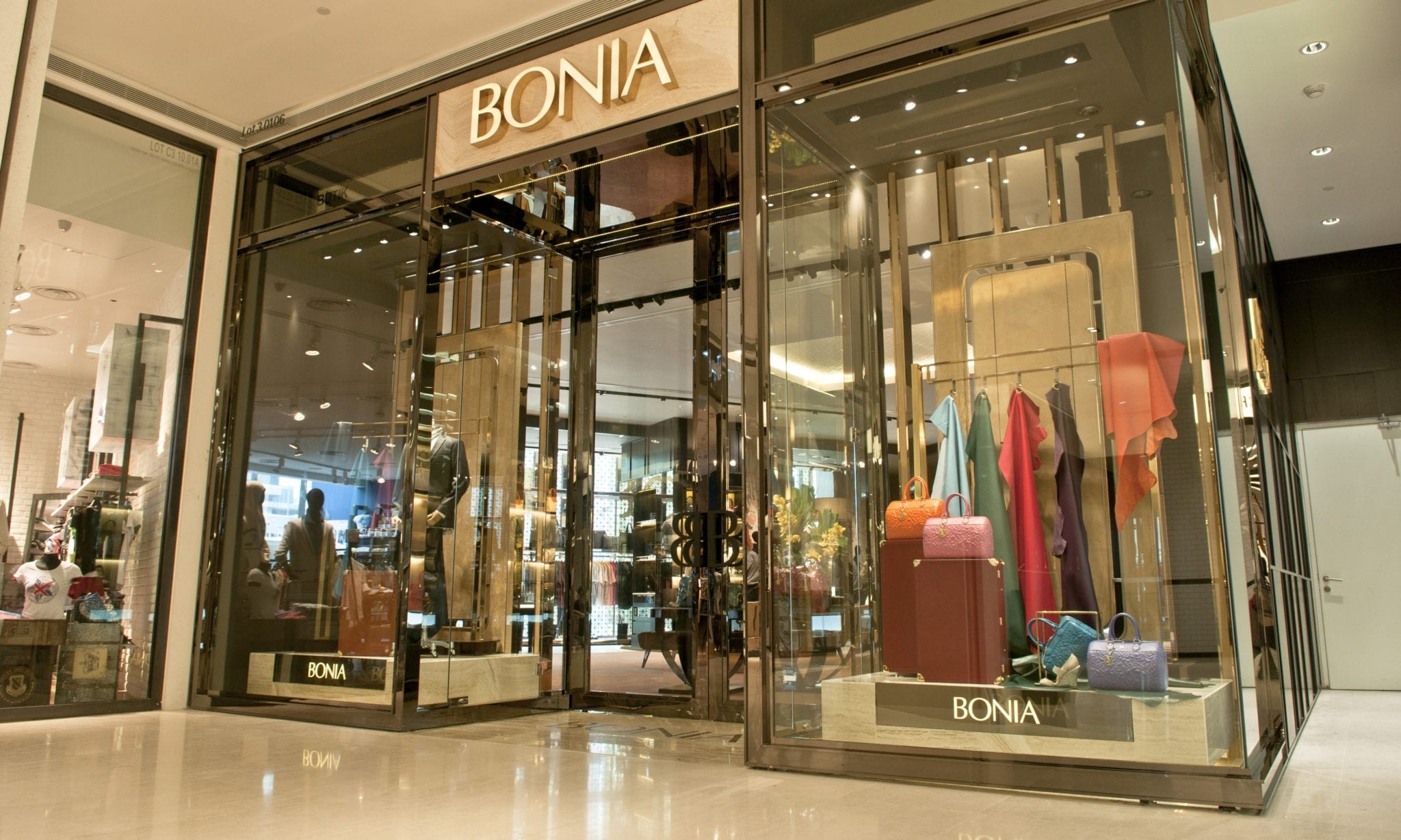
Flagship stores now prioritize brand immersion over inventory to combat rising rental costs. Watch for sales-per-square-foot data to gauge future viability.
A Pivot Toward Experiential Retail
Bonia Corporation Berhad has officially opened its new flagship store in Kuala Lumpur, marking a shift in its brick-and-mortar execution. The store moves away from traditional inventory-heavy layouts, opting for a design that prioritizes customer interaction and brand immersion over sheer square footage of product display.
This launch comes as regional luxury and lifestyle brands grapple with rising rental costs and the persistent shift to e-commerce. By centralizing its presence in a high-traffic urban hub, Bonia aims to bolster its brand equity, betting that physical spaces function more effectively as acquisition channels when they serve as showrooms for the lifestyle brand rather than mere transactional points.
Strategic Implications for Retail Equities
For retail investors, the move is a clear signal that mid-tier luxury players are attempting to differentiate through service-oriented design. The cost of maintaining high-end retail space is extreme, so successful conversion rates within these flagship locations are now the primary metric for long-term viability. Traders should watch for the following impacts on the consumer discretionary sector:
- Increased OpEx: Renovations and flagship maintenance typically weigh on short-term margins.
- Higher Conversion Targets: These stores must generate higher sales-per-square-foot to justify the aesthetic investment.
- Brand Parity: The successful execution of this design could force competitors to accelerate their own capital expenditure cycles to keep pace.
"The new retail concept represents our commitment to redefining the relationship between our collections and our customers through intentional, elevated design," said a spokesperson for the brand.
Market Context and What to Watch
When evaluating regional retail stocks, investors often look to momentum investing to gauge if consumer sentiment remains resilient. While Bonia is a niche player, the success of these flagship models often mirrors broader trends in the indices covering ASEAN consumer discretionary firms. If traffic volume at the Kuala Lumpur location fails to translate into higher average order values within the next two quarters, expect pressure on the company’s operating cash flow.
Keep an eye on the company’s upcoming quarterly filings for specific data on store-level performance. If the flagship drives a noticeable uptick in brand search volume and direct-to-consumer sales, it may provide a blueprint for the company to replicate in other high-growth Southeast Asian markets. Retailers failing to innovate their physical presence will likely continue to face margin compression as digital-native competitors take market share.
Drafted by a large language model from the source reporting linked above, then screened by automated publishing checks. It is not read by a journalist before publication. Some articles cite our Alpha Score. Verify prices and figures against the original source. Educational coverage, not personalized advice.