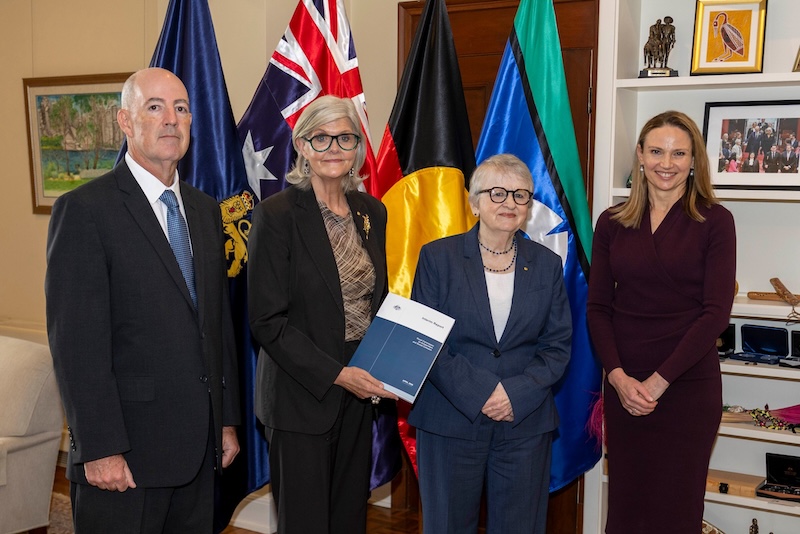
The release of the interim findings from the Royal Commission into Antisemitism and Social Cohesion has triggered a sharp debate regarding the scope and methodology of the inquiry. By focusing on predefined conclusions rather than an open-ended investigative process, the commission has drawn criticism for potentially narrowing the lens through which social cohesion is measured. This shift in narrative suggests that the final recommendations may prioritize administrative policy over the underlying dynamics of the issues at hand.
Methodological Constraints and Institutional Bias
The central critique of the commission involves the perceived rigidity of its investigative framework. Critics argue that the inquiry operates under a mandate that assumes specific outcomes, effectively sidelining broader sociological factors that contribute to social friction. When an inquiry structure limits the range of acceptable evidence, the resulting policy proposals often fail to address the root causes of the instability they intend to mitigate. This creates a disconnect between the commission's formal output and the actual operational environment for institutions navigating these social pressures.
For investors and corporate stakeholders, the commission's focus represents a shift in the regulatory climate. Companies operating in sectors sensitive to social cohesion must now account for a policy environment that may impose new compliance standards based on these interim findings. The risk lies in the potential for these findings to be codified into rigid social governance requirements that do not align with the practical realities of managing diverse workforces or public-facing operations.
Sectoral Read-through and Regulatory Risk
Beyond the immediate social implications, the commission’s work serves as a proxy for how government bodies are beginning to treat social sentiment as a quantifiable risk factor. If the commission maintains its current trajectory, the final report will likely serve as a blueprint for future legislative interventions in public discourse and organizational transparency. This evolution in oversight could force firms to adopt defensive communication strategies, potentially stifling the open discourse necessary for long-term institutional health.
AlphaScala data currently tracks various utilities and infrastructure entities that are often subject to such regulatory shifts. For instance, Southern Company, which carries an Alpha Score of 44/100 and is labeled Mixed in our sector analysis, highlights the complexity of balancing infrastructure demands with evolving social and regulatory expectations. Detailed performance metrics for this entity can be found on the SO stock page.
The Path to Final Recommendations
The next critical marker for this inquiry is the transition from interim findings to the final report. Stakeholders should monitor whether the commission incorporates feedback regarding its narrow scope or if it doubles down on its initial conclusions. The final document will likely influence future stock market analysis regarding the stability of social institutions and the potential for new, sector-specific compliance mandates. As the commission moves toward its conclusion, the primary question remains whether the final output will provide actionable insights or merely reinforce existing institutional biases that ignore the complexities of modern social cohesion. The divergence between the commission's findings and the reality on the ground will determine the long-term credibility of any resulting policy frameworks.