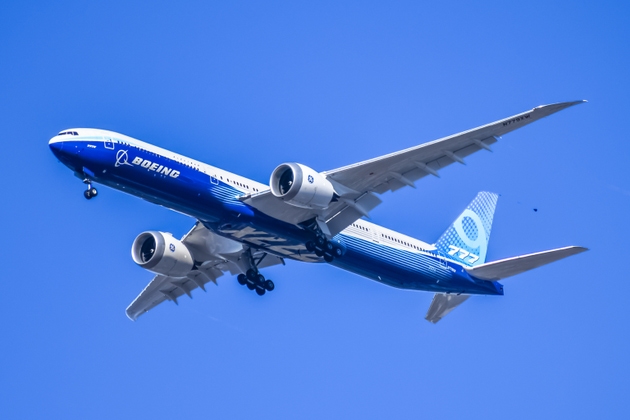
Boeing has secured a $166.8 million contract modification from the Department of Defense to provide landing gear spares for the C-17 Globemaster III fleet. This latest award pushes the total cumulative value of the sustainment contract to $8.05 billion, reinforcing the long-term revenue visibility associated with the company's legacy military transport programs.
Sustainment Economics and Fleet Lifecycle
The C-17 Globemaster III remains a critical component of global strategic airlift capabilities. By securing consistent funding for spare parts and maintenance, Boeing maintains its role as the primary sustainment partner for the aging fleet. This contract structure is typical for mature aerospace platforms where the focus shifts from production to high-margin lifecycle support and component replacement.
For investors, these sustainment awards serve as a stabilizing force within the broader defense portfolio. While production-heavy programs often face supply chain volatility and cost-overrun risks, sustainment contracts provide predictable cash flows. The incremental nature of this $166.8 million modification demonstrates the ongoing capital commitment required to keep the C-17 operational, effectively insulating this segment of the business from the cyclical pressures seen in commercial aviation or new development programs.
Defense Segment Revenue Stability
The accumulation of contract modifications into an $8.05 billion total highlights the scale of Boeing's defense services division. This division acts as a hedge against the operational challenges currently impacting the company's commercial aircraft manufacturing. As the firm navigates production rate adjustments and regulatory scrutiny, the steady stream of defense-related service revenue remains a vital component of its overall financial health.
The specific focus on landing gear spares indicates a prioritization of mission-readiness for the existing fleet. This type of procurement is non-discretionary for the military, ensuring that Boeing remains a central vendor regardless of broader budgetary fluctuations. The following factors define the current state of this contract:
- The modification covers essential landing gear components required for ongoing fleet maintenance.
- The total contract value has reached $8.05 billion, reflecting years of sustained support.
- Work is expected to continue through the established contract timeline, providing a multi-year revenue horizon.
Next Operational Markers
The primary focus for stakeholders now shifts to the timing of future contract renewals and the potential for further modifications as the C-17 fleet continues to age. While this award provides immediate clarity on near-term sustainment, market participants will monitor the next Department of Defense budget cycle for indications of additional funding allocations for legacy transport platforms. Any shifts in the Pentagon's long-term procurement strategy regarding the C-17 will serve as the next major indicator for the sustainability of this revenue stream. Investors should look for subsequent filings from the Department of Defense to confirm the pace of future component procurement and the potential for further expansion of the total contract value. For broader stock market analysis on how defense spending impacts industrial valuations, these consistent sustainment wins remain a key metric for assessing the resilience of major aerospace contractors.