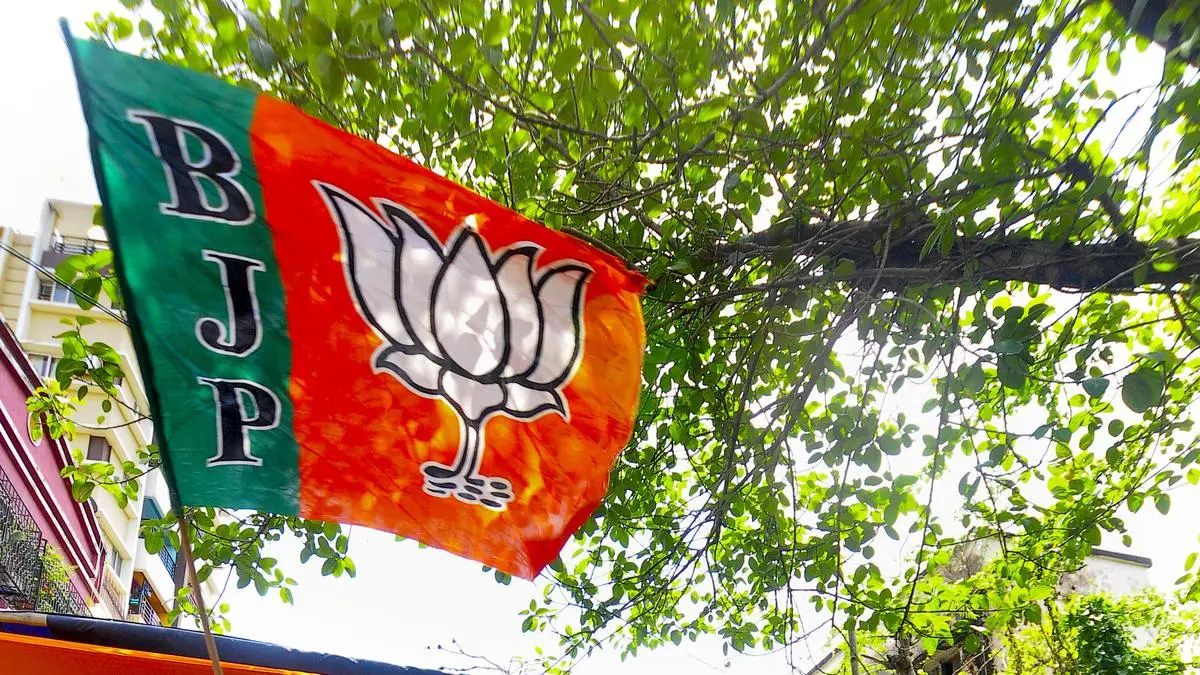
The political landscape of West Bengal has undergone a decisive transformation as early election results indicate the Bharatiya Janata Party (BJP) is on track to secure a clear majority. By 12 noon, the BJP was leading in 167 constituencies, comfortably surpassing the 148-seat threshold required for a majority in the 293-member Assembly. This performance marks a stark reversal from the 2021 assembly elections, where the BJP secured 77 seats against the Trinamool Congress (TMC) tally of 215. The current shift signals a significant erosion of the incumbent administration's electoral base, with the TMC trailing at 80 seats as of the midday count.
Electoral Mechanics and Voter Participation
The electoral process leading to this result was defined by high-stakes mobilization and controversy. Following the Special Intensive Revision (SIR) of electoral rolls, which saw widespread reports of voter deletions, the state recorded exceptionally high voter turnouts during the first and second phases of polling on April 23 and April 29. The Election Commission of India (ECI) has scheduled a repoll for the Falta Assembly seat on May 21, citing electoral malpractices, though this is unlikely to alter the broader trajectory of the BJP's mandate. The intensity of the campaign was reflected in the voter engagement, which Prime Minister Narendra Modi characterized as an overwhelming mandate for change during his appearances in Nadia district.
The Catalyst for Political Realignment
The shift in voter sentiment appears rooted in a convergence of localized grievances and broader governance concerns. Throughout the campaign, the BJP successfully centered the narrative on allegations of systemic corruption within the TMC administration. The discourse was further sharpened by the high-profile RG Kar hospital death-murder case, which became a focal point for debates regarding public safety and institutional accountability. These issues, combined with persistent concerns over job creation and the implementation of the women’s reservation bill, provided the BJP with a platform to challenge the TMC's long-standing dominance.
Sectoral Implications and Governance Shifts
For market observers and those monitoring stock market analysis, the transition in West Bengal represents a potential shift in the state's industrial and regulatory environment. The BJP's campaign rhetoric emphasized a mandate for change, suggesting that a new administration may prioritize different policy levers compared to the previous government. While the immediate focus remains on the final seat count and the formation of the cabinet, the stability of the transition will be the primary metric for regional business sentiment. The reduction in reported election-related violence, which the Prime Minister noted as being at a 50-year low, may also influence the perception of political risk in the state for institutional investors.
Valuation and Risk Assessment
Investors should consider the implications of this political pivot on regional infrastructure and development projects. The BJP's ability to secure a clear majority provides a mandate to implement its policy agenda without the constraints of coalition negotiations. However, the practical execution of these policies will depend on the administrative transition and the ability of the new government to address the underlying economic issues that fueled the campaign. As the state moves toward the official oath-taking ceremony, the focus will shift from electoral mobilization to governance, where the effectiveness of the new administration's economic policies will be tested against the high expectations of the electorate.
Market participants evaluating regional exposure should note that the current political volatility is a function of a broader national trend toward consolidation. While the BJP's victory in West Bengal is a significant event, it must be viewed within the context of the party's broader national strategy. The AlphaScala Alpha Score for WELL stock page currently sits at 50/100, reflecting a mixed outlook for the real estate sector, which often serves as a proxy for regional economic confidence. As the dust settles on the West Bengal election, the focus will likely return to the interplay between national policy directives and regional implementation, which remains the primary driver of long-term value in the Indian market. The confirmation of this result will likely lead to a reallocation of focus toward the legislative agenda of the incoming government, particularly regarding land acquisition, industrial policy, and public sector reform in the state.