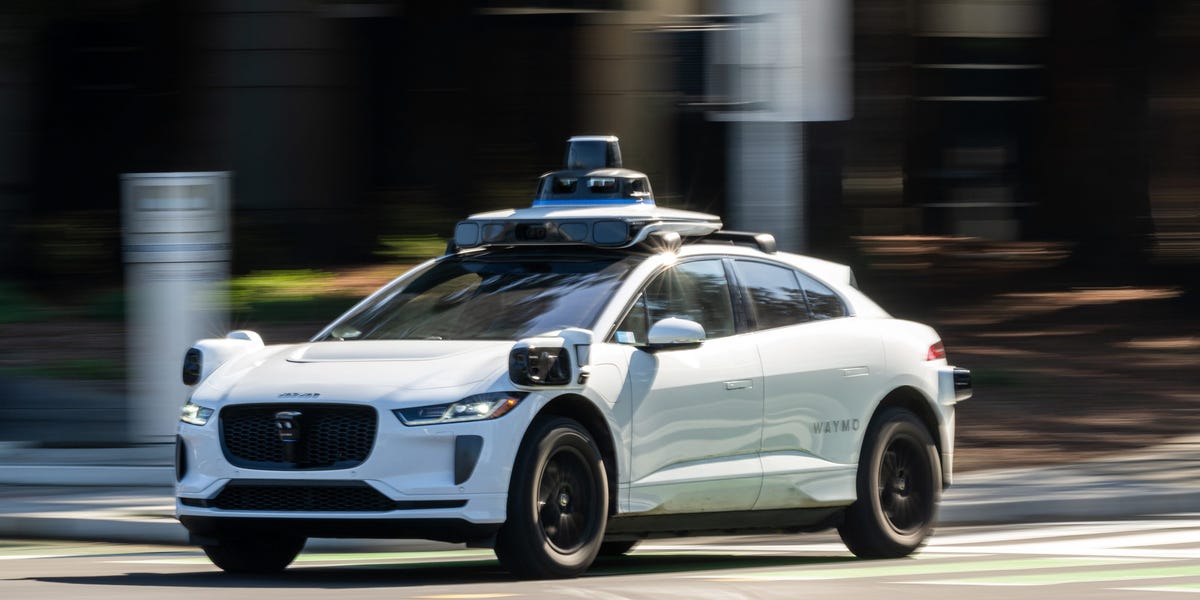
Autonomous vehicle funding reached $19 billion this year, but capital is heavily concentrated in top players like Waymo, signaling a shift toward consolidation.
The autonomous vehicle sector has secured $19 billion in capital this year, marking the largest influx of venture funding in over a decade. While the headline figure suggests a broad resurgence of interest in self-driving technology, the underlying reality is one of extreme capital concentration. The vast majority of these funds have been funneled toward a select few incumbents, most notably Waymo, leaving smaller players and startups struggling to secure the liquidity necessary to sustain long-term research and development cycles.
The shift in funding dynamics signals a transition from the speculative phase of autonomous vehicle development to a phase of industrial consolidation. Investors are no longer betting on the broad promise of self-driving technology across a wide array of startups. Instead, they are prioritizing companies that have already demonstrated tangible progress in commercial deployment and safety validation. This flight to quality effectively creates a two-tier market structure where the leaders gain access to the capital required to scale operations, while smaller firms face an increasingly difficult path to survival.
For the broader stock market analysis, this concentration suggests that the autonomous vehicle narrative is moving away from venture-style experimentation toward a capital-intensive utility model. Companies that lack the balance sheet strength to compete with the scale of Waymo or similar well-funded entities will likely be forced into acquisition or liquidation. This forces a re-evaluation of how investors should value smaller firms in the space, as the traditional venture model of high-growth, high-burn startups is no longer supported by current market liquidity.
The $19 billion figure highlights how capital is being used to build defensive moats through operational scale. In the autonomous vehicle industry, data acquisition and fleet management are the primary drivers of competitive advantage. By concentrating capital in fewer companies, investors are essentially funding the massive infrastructure required to collect the real-world miles necessary to refine AI models. This creates a feedback loop where the companies with the most funding gain the most data, which in turn makes them more attractive for subsequent rounds of financing.
This dynamic creates a significant hurdle for new entrants. The cost of entry has shifted from simple software development to the massive capital expenditure required to maintain and operate physical fleets. Investors looking at the sector must now distinguish between firms that are merely developing software and those that are successfully executing on the operational side. The ability to manage fleet logistics and regulatory hurdles has become as important as the underlying code. The next phase of this sector will likely be defined by which companies can turn this $19 billion in capital into sustainable unit economics rather than just technological milestones. The ultimate test for the sector will be the transition from pilot programs to widespread, profitable commercialization.
AI-drafted from named sources and checked against AlphaScala publishing rules before release. Direct quotes must match source text, low-information tables are removed, and thinner or higher-risk stories can be held for manual review.