The U.S. Supreme Court on Tuesday blocked President Donald Trump's executive order ending birthright citizenship, ruling 6-3 that the 14th Amendment still guarantees citizenship to most people born in the United States. The decision removes a legal cloud that had hung over companies reliant on immigrant labor since the order was signed in January.
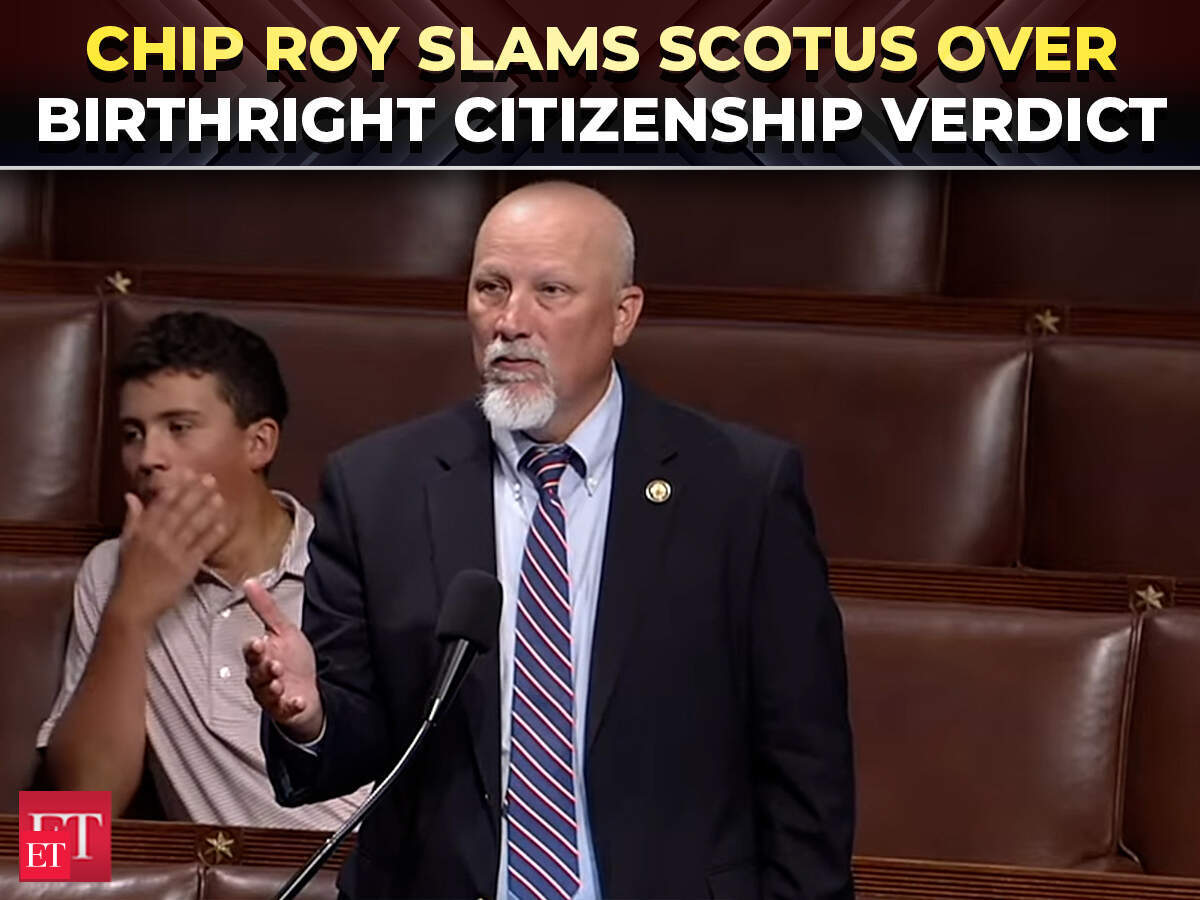
Representative Chip Roy, a Texas Republican, called the ruling a failure. In a statement, Roy said the court "failed the American people, the Constitution, and the rule of law." He argued the Citizenship Clause was never meant to cover children of people in the country illegally or temporarily. Roy's language tracks the administration's original legal theory, which lower courts had already rejected.
The majority opinion, written by Chief Justice John Roberts, held that the text of the 14th Amendment is unambiguous: "All persons born or naturalized in the United States, and subject to the jurisdiction thereof, are citizens." The court found no historical evidence that the framers intended an exception for unauthorized immigrants. The three dissenting justices – Thomas, Alito, and Gorsuch – argued the clause left room for Congress to define the terms of citizenship.
For investors, the ruling removes a key uncertainty. Companies in agriculture, construction, hospitality, and technology had been bracing for potential workforce disruptions if the order stood. Apple, which relies on a global talent pool and immigrant labor for its U.S. operations, is one of the names that benefits from the status quo. The decision keeps the current immigration framework in place, at least until Congress acts or a new legal challenge emerges.
Roy's criticism signals the fight is not over. He and other House Republicans have already introduced legislation to narrow birthright citizenship. The 6-3 margin makes a legislative fix the only viable path. Any bill would need 60 votes in the Senate, a steep climb in a divided chamber.
The next concrete marker is the House Judiciary Committee markup of Roy's bill, expected later this month. No date has been set for a floor vote.