Crypto▲ Bullish
Binance Founder Zhao Pushes States to Tokenize Shares, Tests Regulator Gate
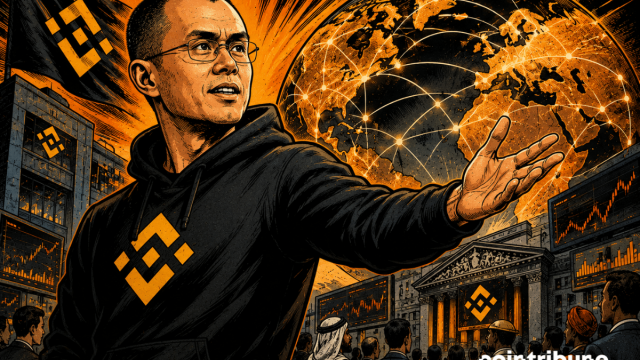
Binance founder Changpeng Zhao wants governments to tokenize stock markets, but the MiCA license fight in Greece shows how high the regulatory wall stands.
Continue with
Changpeng Zhao wants governments to tokenize their stock markets and issue national stablecoins. The Binance founder argues the combination would draw foreign capital and make local companies accessible to a global investor base without the usual brokerage layers.
The mechanism is straightforward. A traditional share gets represented by a token on a blockchain. An investor in another country can buy exposure without opening a local brokerage account or navigating cross-border settlement. Zhao frames this as a way to turn a domestic exchange into a 24-hour trading venue.
Binance Research projects hundreds of millions of new users could enter markets this way. Large institutions are already accelerating tokenization projects in bonds, funds, and shares.
The first challenge is liquidity. Tokenizing a share does not create deep order books, consistent pricing, or fast execution. Without those, the token is a digital certificate that few trade. The second challenge is the gap between real and synthetic tokenization.
Some tokens actually hold the underlying security in custody. Others only replicate the price. In the synthetic case, the investor may lose voting rights, direct dividend access, or bankruptcy protection. The quality of custody, audits, and the reimbursement mechanism becomes the investor's real exposure. Tokenization adds intermediaries – the token issuer, the share custodian, and the trading platform. The blockchain does not remove those risks.