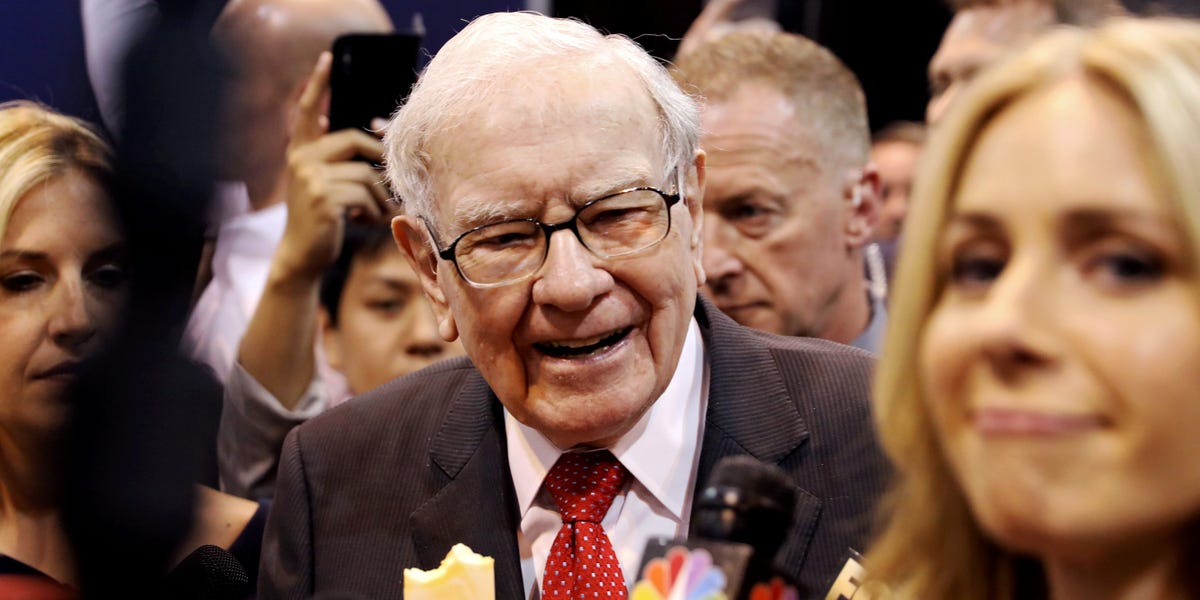
The transition of the Berkshire Hathaway annual meeting away from Warren Buffett as the primary host marks a fundamental shift in the company’s corporate narrative. For decades, the event functioned as a unique blend of financial education and personality-driven theater. The removal of this central figure forces a recalibration of how shareholders perceive the conglomerate’s long-term stability and its reliance on individual leadership versus institutional process.
Institutionalizing the Berkshire Narrative
The shift toward a more sober Q&A format signals an attempt to transition the company from a personality-led entity to a standard institutional structure. Without the informal, often unpredictable commentary that defined previous decades, the focus naturally narrows to operational performance and capital allocation efficiency. This change effectively tests whether the underlying business units can maintain their market presence without the benefit of a high-profile public advocate.
For investors, the primary challenge is determining how much of the company’s historical valuation premium was tied to the specific communication style of its leadership. A smaller, more hardcore gathering suggests that the company is prioritizing direct engagement with long-term capital holders over the broader retail interest that previously characterized the event. This narrowing of the audience may lead to a more technical discourse regarding the conglomerate’s diverse portfolio, which spans insurance, energy, and rail.
Sector Read-Through and Valuation Anchors
Berkshire Hathaway’s BRK.B stock page currently holds an Alpha Score of 47/100, reflecting a mixed outlook as the market adjusts to this leadership evolution. The company’s influence on the broader financial sector remains significant, particularly regarding its cash management strategies and its role as a liquidity provider during periods of market stress. If the meeting successfully pivots to a focus on structural resilience, it may provide a framework for other large-cap conglomerates attempting to navigate similar successions.
Investors should monitor how the new leadership team addresses the capital allocation mandate. The absence of the traditional host removes a layer of sentiment-driven volatility that often followed the meeting. Instead, the focus will likely shift toward the specific performance metrics of the underlying subsidiaries and the company’s ability to deploy its massive cash reserves in a high-interest rate environment. This transition is not merely a change in meeting format; it is a stress test for the company’s long-term governance model.
The Path to Operational Clarity
The next concrete marker for the company will be the subsequent quarterly filing, which will serve as the first real test of how the new communication strategy aligns with actual financial results. Shareholders will be looking for evidence that the transition has not disrupted the operational autonomy of the various business units. If the company maintains its current trajectory without a decline in transparency, the market will likely begin to price the stock based on its institutional merits rather than its historical association with a single individual.
This shift is part of a broader trend in stock market analysis where large-cap entities are increasingly scrutinized for their succession planning and internal governance structures. As the company moves forward, the primary metric for success will be the consistency of its capital deployment strategy. The upcoming meeting will provide the first public data point on whether the new leadership team can maintain the same level of market confidence that defined the previous era.