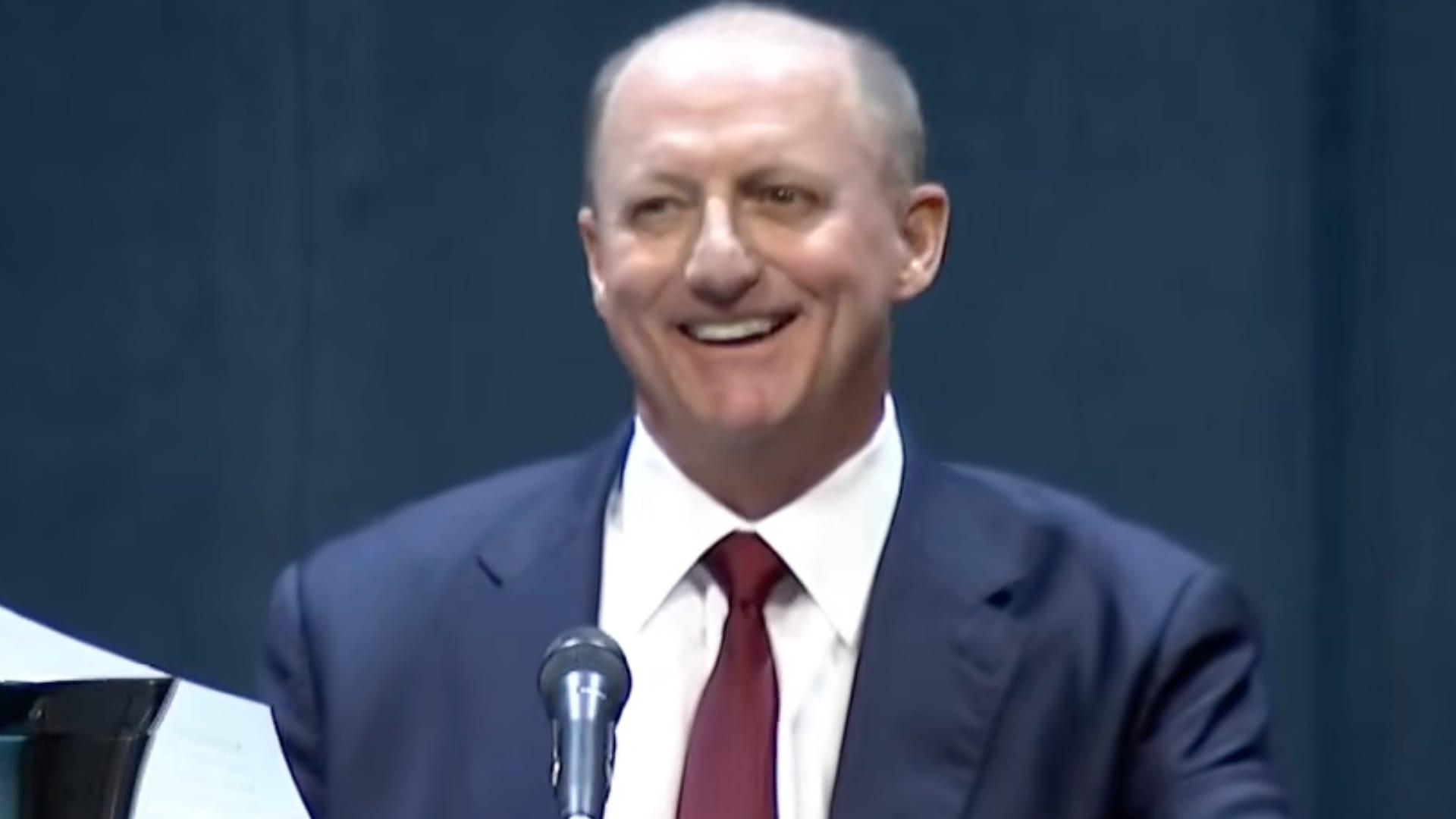
Berkshire Hathaway Class B shares moved 0.5% higher in premarket trading following a weekend that served as both a financial disclosure and a high-stakes leadership transition. The conglomerate reported an 18% jump in first-quarter operating earnings, a figure that provided the quantitative foundation for a broader reassessment of the firm's post-Buffett trajectory. With an Alpha Score of 49/100, the BRK.B stock page reflects the mixed sentiment inherent in a transition that balances historical performance against the uncertainty of a new executive era.
Insurance Underwriting as the Primary Earnings Engine
The 18% growth in operating earnings was not a broad-based surge across all business lines, but rather a concentrated win in the insurance segment. Underwriting gains climbed 28.5% to reach approximately $1.7 billion. This performance highlights the continued efficacy of the firm's insurance-first capital allocation model, which remains the primary engine for generating the liquidity required for Berkshire's massive cash position. As the conglomerate sits on a cash hoard nearing $400 billion, the ability of the insurance units to generate consistent underwriting profits is the most critical variable for maintaining the firm's current valuation floor.
Investors tracking the stock market analysis for this sector should note that the insurance gains are the primary offset to the broader macroeconomic headwinds mentioned by Warren Buffett, who characterized the current investing environment as less than ideal. While the insurance unit is firing on all cylinders, the broader conglomerate relies on this segment to provide the dry powder necessary for opportunistic capital deployment in a high-rate environment.
The Abel Doctrine and Operational Efficiency
Greg Abel’s first annual meeting as CEO served as a pivot point for market expectations regarding the firm's future structure. Abel addressed the persistent investor anxiety regarding a potential breakup of the conglomerate, explicitly stating that he does not expect Berkshire to divest its subsidiaries. By framing the firm as an efficient, low-layer organization, Abel is attempting to preserve the conglomerate discount-defying structure that has defined the Buffett era. His performance was characterized by a granular grasp of operational details, a departure from the more philosophical, storytelling-heavy approach of his predecessor.
This shift toward operational focus was reinforced by the presence of key divisional leaders, including Ajit Jain, Adam Johnson, and Katie Farmer. By platforming the heads of insurance, consumer products, and BNSF Railway, Abel signaled that the management of Berkshire will remain decentralized and focused on the specific operational excellence of its subsidiaries rather than top-down corporate mandates. For shareholders, this is a reassuring signal that the transition will prioritize continuity of the existing business model over radical strategic pivots.
Artificial Intelligence and Cybersecurity Risk
Perhaps the most distinct divergence from current market trends was Abel’s stance on artificial intelligence. While many corporate executives are currently under pressure to demonstrate AI integration to satisfy institutional investors, Abel adopted a measured, skeptical tone. He explicitly stated that Berkshire would not pursue AI for the sake of AI, framing the technology instead through the lens of cybersecurity risk. This is a pragmatic, defensive posture that aligns with the firm's long-standing risk-aversion.
For traders, this stance suggests that Berkshire is unlikely to engage in the capital-intensive AI arms race that has driven valuation expansion in the broader technology sector. Instead, the firm is positioning itself to treat AI as a operational risk to be managed rather than a growth lever to be pulled. This approach will likely keep the stock's volatility lower than its tech-heavy peers, as it avoids the speculative premium currently attached to AI-centric business models.
Valuation and Capital Deployment Constraints
The $400 billion cash hoard remains the most significant factor in the firm's long-term outlook. With Buffett signaling that the current environment is not ideal for deployment, the market must reconcile this massive liquidity with the lack of immediate, high-conviction investment opportunities. The 18% earnings growth provides a temporary buffer, but the long-term thesis for Berkshire rests on Abel’s ability to deploy this cash effectively without the benefit of the current market's valuation tailwinds.
Investors should monitor the next quarterly reports for signs of increased capital expenditure or share buyback activity, which would serve as the primary indicators that management has identified a path for this cash. Until then, the stock will likely trade based on the strength of its core insurance underwriting and the perceived stability of the new leadership team. The market is currently rewarding the stability of the transition, but the ultimate test will be the firm's ability to maintain its historical return on capital in an environment that its own leadership deems challenging.