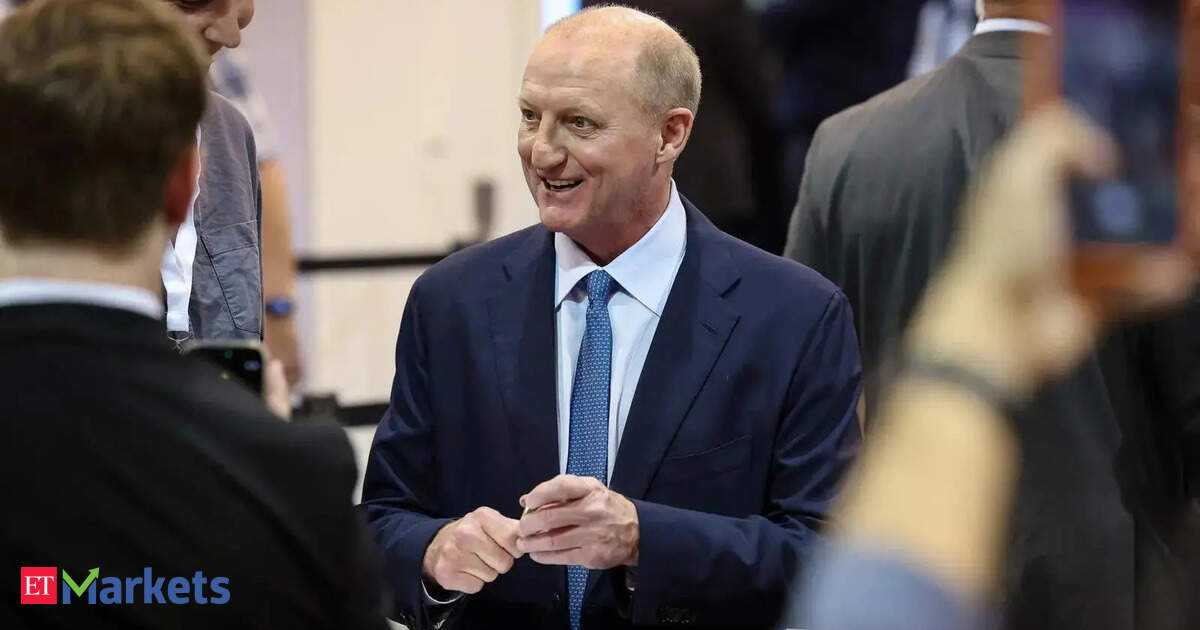
Berkshire Hathaway has reached a record cash pile of $380 billion, marking a significant milestone as Greg Abel navigates his tenure as CEO. This massive liquidity position arrives during a period where the conglomerate has avoided large-scale acquisitions for several years. Despite the scale of these reserves, Abel confirmed that the core operating philosophy established by Warren Buffett remains unchanged.
Capital Allocation and Operational Strategy
The accumulation of cash reflects a disciplined approach to capital allocation that prioritizes long-term value over immediate deployment. While the company reported stronger first-quarter earnings, the cash balance continued to grow, underscoring the difficulty of finding investment opportunities that meet Berkshire's stringent return requirements. Investors are now focused on how Abel will manage this capital puzzle, especially as the firm maintains its conservative stance toward market volatility.
Market Context and Performance
For market participants, the size of this cash reserve serves as both a defensive buffer and a potential engine for future growth. The ability to deploy such significant capital during market dislocations remains a primary interest for shareholders. As the company transitions through this leadership phase, the focus shifts toward whether the current environment will eventually offer the valuations necessary to trigger a major capital deployment.
Our current analysis of BRK.B stock page shows an Alpha Score of 47 out of 100, reflecting a mixed sentiment as the market evaluates the transition to new leadership. This score incorporates current financial positioning and broader sector trends within the stock market analysis framework. The next concrete marker for investors will be the subsequent quarterly filing, which will provide further clarity on the velocity of cash accumulation and any shifts in the firm's investment portfolio.