US gasoline prices are rising as geopolitical friction centers on the Strait of Hormuz. The narrow waterway serves as a critical transit point for global crude oil shipments, and any disruption to the flow of tankers through this region directly impacts domestic fuel costs. The current diplomatic impasse between the United States and Iran has heightened concerns regarding the security of these energy supply lines.
Geopolitical Risk and Supply Stability
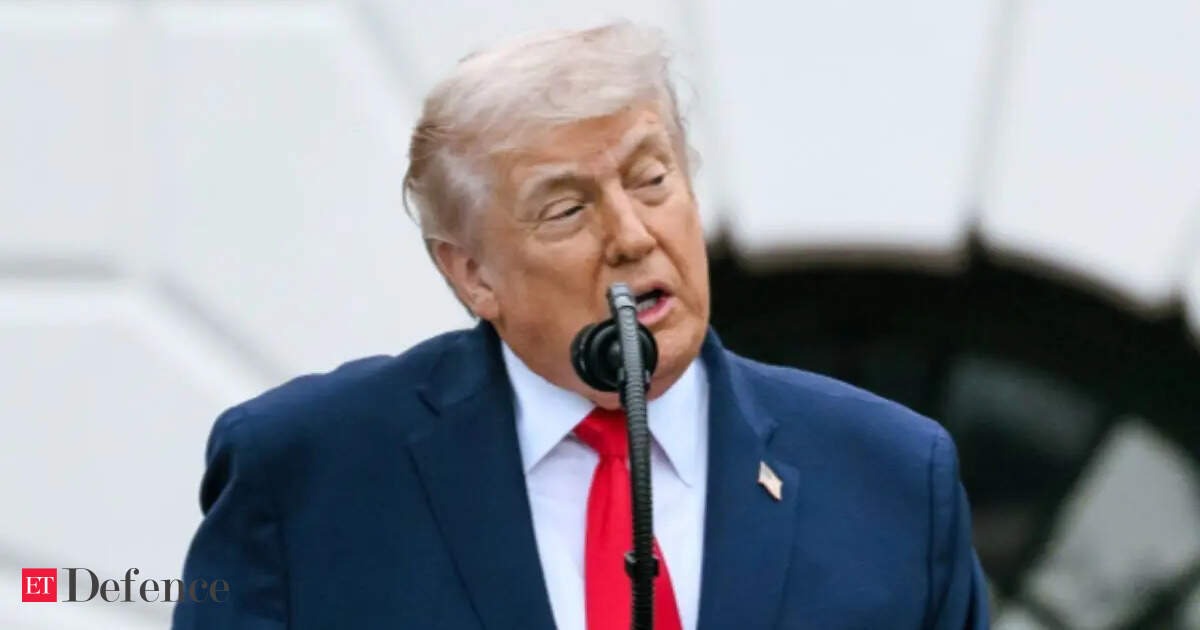
The Strait of Hormuz remains the primary point of contention in ongoing negotiations. While President Donald Trump has expressed dissatisfaction with the current state of diplomatic talks, he has refrained from authorizing new military strikes against Iranian targets. This restraint has kept the market in a state of uncertainty, as the potential for a sudden escalation in regional conflict keeps a risk premium embedded in energy prices.
Iran’s foreign minister has indicated that Tehran remains open to diplomacy, provided that US demands undergo significant adjustments. Despite these signals, the lack of a concrete resolution ensures that the supply chain for crude oil remains vulnerable to shifts in regional stability. Traders are closely monitoring the rhetoric from both sides to gauge the likelihood of a sustained blockade or interference with maritime traffic.
Impact on Domestic Fuel Markets
Gasoline prices are sensitive to the perceived risk of supply interruptions in the Middle East. Even without a physical blockage of the Strait of Hormuz, the anticipation of higher transport costs and potential supply shortages forces a repricing of energy assets. This dynamic creates a direct correlation between the tone of diplomatic negotiations and the prices seen at the pump.
For those tracking the broader energy landscape, our crude oil profile provides additional context on how regional tensions influence global benchmarks. The market is currently balancing the rhetoric of de-escalation against the reality of restricted diplomatic progress. Investors should watch for any changes in the frequency of tanker traffic or official statements regarding the security of the Strait of Hormuz as the next indicator of potential price volatility.
AlphaScala data currently reflects a diverse range of market sentiment, including a Moderate Alpha Score of 68/100 for KeyCorp, which operates within the financial sector often affected by broader commodity-driven inflation trends. The next catalyst for the energy sector will be the outcome of upcoming diplomatic sessions, which will determine whether the current risk premium in gasoline prices persists or begins to unwind.