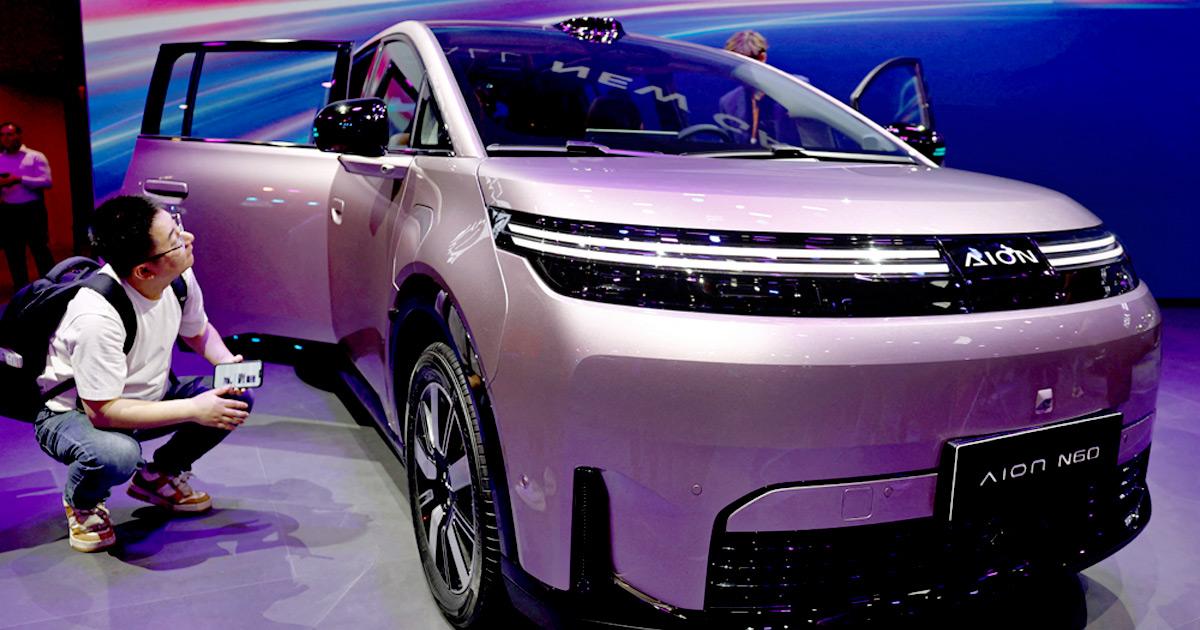
The Auto China exhibition in Beijing signals a major industry pivot toward autonomous and electric mobility. Future valuations depend on software scaling.
The recent Auto China exhibition in Beijing showcased a rapid evolution in the automotive sector, moving beyond traditional manufacturing toward integrated electric and autonomous systems. The event highlighted a pivot in design and engineering priorities, emphasizing futuristic mobility solutions that prioritize software integration over hardware-only performance metrics.
The exhibition served as a venue for manufacturers to display advancements in electric vehicle architecture and autonomous navigation capabilities. These developments suggest that the industry is moving toward a standard where vehicle autonomy is no longer a luxury feature but a core component of new model releases. The shift reflects broader trends in stock market analysis where manufacturers are increasingly valued on their ability to scale software-defined vehicle platforms.
The presence of flying car prototypes and advanced autonomous concepts at the show indicates that capital allocation is shifting toward high-tech mobility segments. This transition forces traditional automotive firms to accelerate their research and development cycles to remain competitive against newer, tech-native entrants. The focus on autonomous systems suggests that the next phase of sector growth will be defined by the successful deployment of sensor arrays and artificial intelligence in consumer-facing products.
Investors are now evaluating how these technological shifts will impact long-term margins for established automakers. The move toward autonomous mobility requires significant upfront investment in infrastructure and software talent, which may pressure short-term earnings. The next concrete marker for the sector will be the commercial rollout timelines for the autonomous features showcased in Beijing. Market participants will monitor upcoming quarterly filings for evidence of increased capital expenditure specifically directed toward these autonomous and electric initiatives.
As manufacturers transition from concept to production, the ability to maintain supply chain stability for advanced components will become the primary differentiator. The sector is moving toward a period where the integration of autonomous software will dictate market share, making the upcoming production updates the next critical data point for the industry.
AI-drafted from named sources and checked against AlphaScala publishing rules before release. Direct quotes must match source text, low-information tables are removed, and thinner or higher-risk stories can be held for manual review.