Banksy Confirms Waterloo Place Statue as Latest Public Work
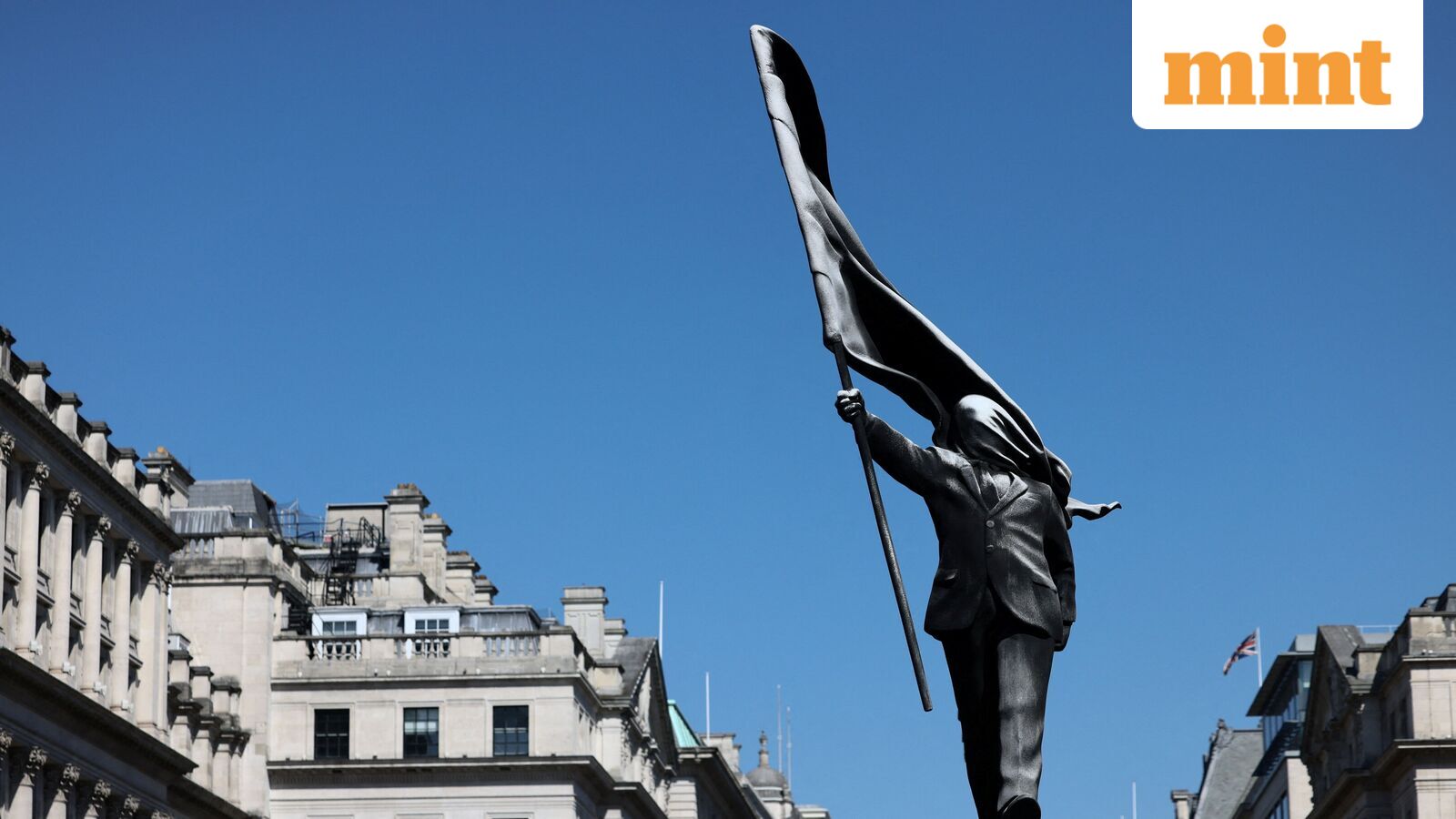
Local authorities are securing the site to manage the cultural and economic impact. Watch for city officials to decide if the installation becomes permanent.
The sudden appearance of a large-scale statue in London's Waterloo Place has been officially attributed to the elusive street artist Banksy. The installation, which surfaced overnight, features a figure dressed in a suit with a flag draped over its face. This confirmation follows a period of speculation regarding the origin of the piece, which has since drawn significant public attention and prompted local authorities to implement protective measures.
Artistic Intent and Public Reception
The work aligns with the artist's established history of placing politically charged imagery in high-traffic urban environments. By choosing a prominent location in central London, the artist has effectively integrated the sculpture into the city's existing landscape of public monuments. The decision to confirm the work shortly after its discovery suggests a deliberate strategy to control the narrative surrounding the piece before it becomes subject to broader interpretation or potential vandalism.
Local authorities have moved quickly to secure the site, recognizing the cultural and economic draw such installations generate. While the statue remains a focal point for tourists and residents, the immediate protection of the work highlights the tension between unauthorized street art and the preservation of public spaces. The piece serves as a continuation of the artist's ongoing series of interventions that challenge the traditional boundaries of public art.
Market Context for Public Installations
While this specific installation is not a commercial asset, the emergence of verified Banksy works often creates a ripple effect in the broader art market. Collectors and galleries frequently monitor these public appearances as indicators of the artist's current thematic focus. Such events can influence the valuation of secondary market pieces, as they reinforce the artist's relevance and cultural capital. Investors in the stock market analysis sector often track these cultural phenomena to gauge shifts in consumer sentiment and public engagement trends.
For those interested in how public art impacts urban branding and local economies, the next marker will be the long-term management strategy adopted by city officials. The decision to either maintain the statue as a permanent fixture or eventually remove it will determine its legacy within the Waterloo Place district. Observers should monitor whether the city treats this as a temporary exhibition or a permanent addition to the public square, as this will dictate the ongoing maintenance costs and security requirements for the site.
AI-drafted from named sources and checked against AlphaScala publishing rules before release. Direct quotes must match source text, low-information tables are removed, and thinner or higher-risk stories can be held for manual review.