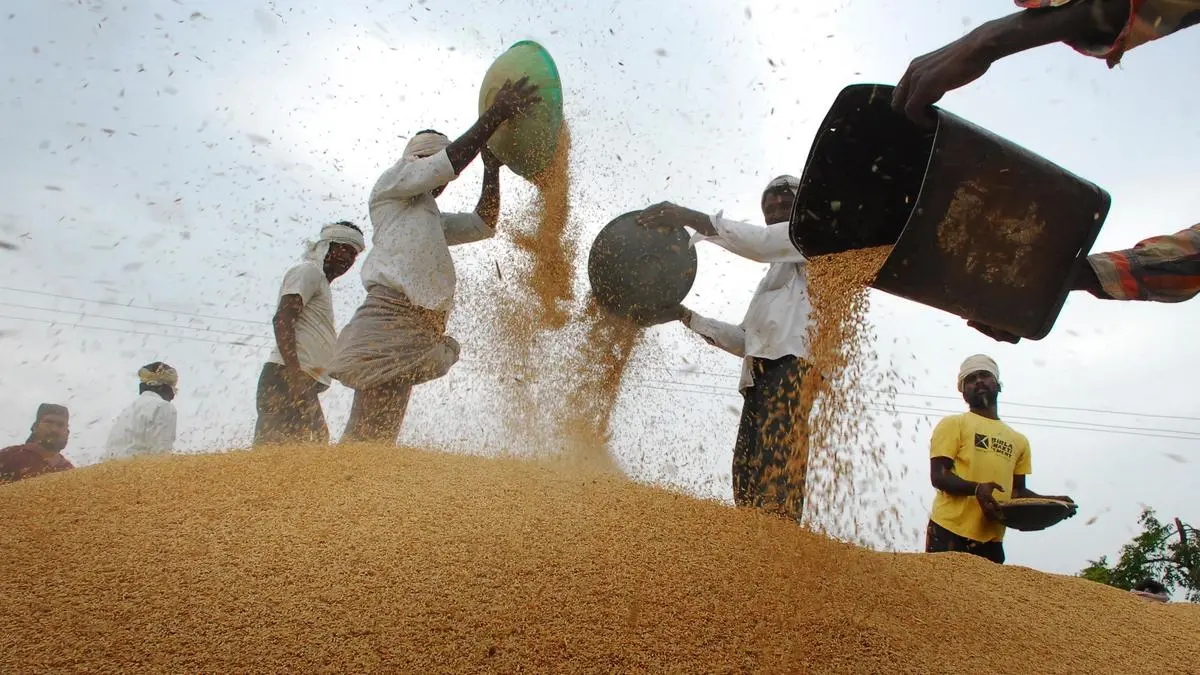
Telangana has reached a significant milestone in its agricultural supply chain by surpassing 10 lakh tonnes of paddy procurement for the 2025-26 rabi season. This volume represents the initial phase of a broader state-led effort to stabilize domestic grain supplies and support regional farmers through official purchasing channels.
Scaling Toward the 90 Lakh Tonne Target
The state government has established a total procurement target of 90 lakh tonnes for the current rabi cycle. Reaching the 10-lakh tonne threshold early in the season provides a baseline for logistics and storage infrastructure, which must now scale to manage the remaining 80 lakh tonnes expected to enter the market in the coming weeks. The efficiency of this transition will determine the state's ability to prevent post-harvest price volatility for local producers.
Agricultural Supply Chain Implications
The procurement pace serves as a primary indicator of regional food security and the financial health of the rural economy. As the state government continues to facilitate these purchases, the focus shifts to the capacity of local procurement centers to handle the accelerated volume without significant bottlenecks. Efficient movement of this grain is essential to maintain the supply chain flow and ensure that farmers receive timely payments for their output.
For investors monitoring the broader stock market analysis and agricultural commodities, the scale of this procurement program reflects the ongoing government intervention in staple food markets. While this specific activity is regional, the volume of grain moving through state-managed systems directly impacts the availability of raw materials for downstream processing firms and retail entities like TGT, which maintains an Alpha Score of 66/100 within the Consumer Staples sector.
Next Steps for Market Monitoring
The next concrete marker for this narrative is the mid-season procurement report, which will detail the rate of intake versus the remaining storage capacity. Market participants should monitor whether the state maintains its current pace or encounters logistical constraints as the harvest reaches its peak. Any deviation from the projected 90 lakh tonne goal will likely signal a shift in regional supply dynamics that could influence local commodity pricing and distribution logistics for the remainder of the 2025-26 season.