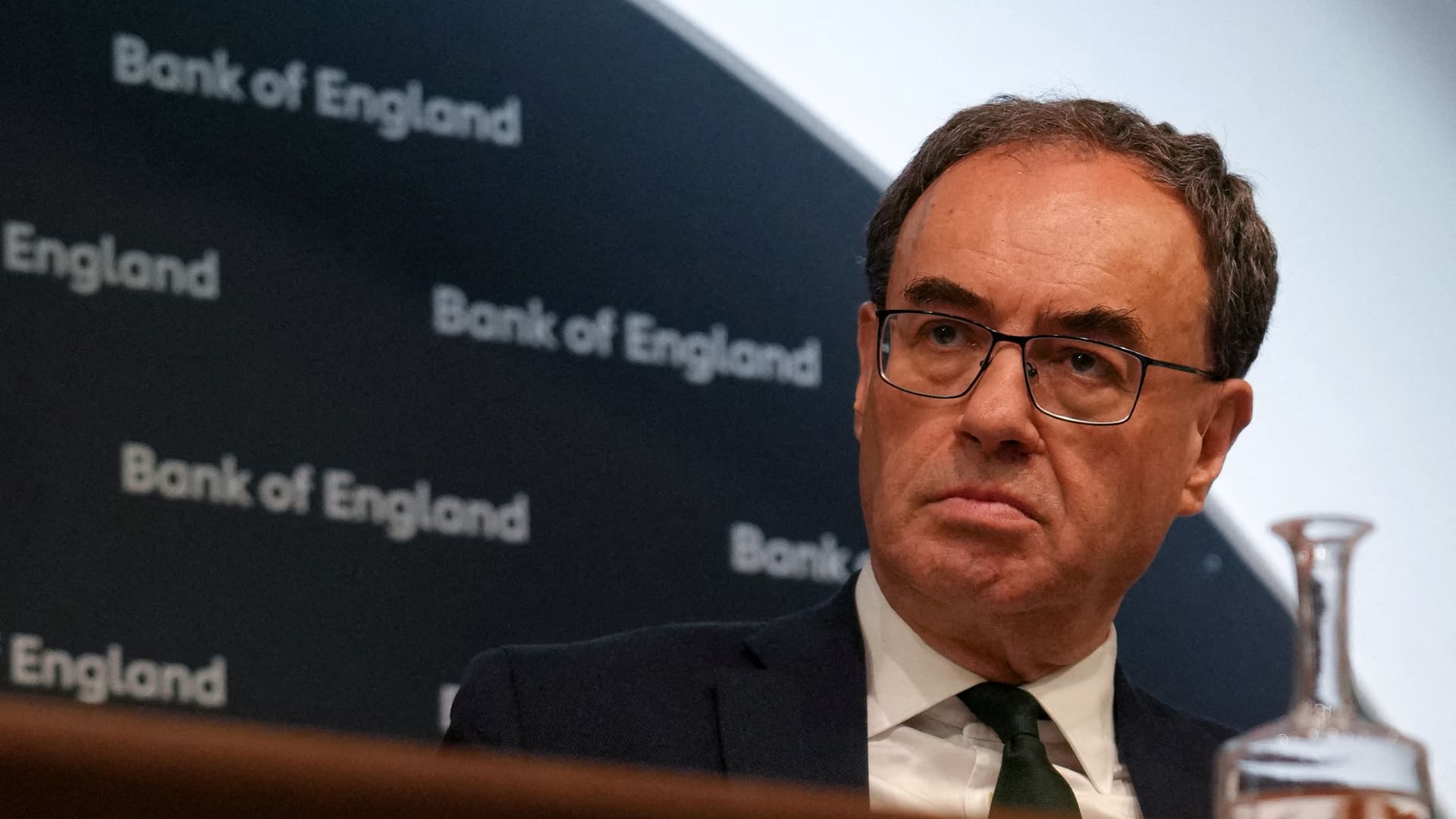
The Bank of England is navigating a period of acute policy tension as rising energy prices force a reevaluation of the current interest rate trajectory. Governor Andrew Bailey has characterized the current environment as the most difficult combination of economic pressures, citing the dual challenge of managing persistent inflation while addressing the drag on consumer purchasing power. This environment complicates the central bank's mandate, as aggressive tightening risks deepening an industrial slowdown while inaction threatens to entrench higher price levels.
Transmission to Sovereign Yields and Sterling
The immediate reaction in the fixed-income markets reflects a heightened sensitivity to the Bank of England's policy signaling. As the central bank balances the need to curb inflation against the risk of stalling economic activity, sovereign bond yields have exhibited increased volatility. Investors are recalibrating their expectations for the terminal rate, weighing the necessity of further hikes against the potential for a policy-induced contraction. This uncertainty is directly impacting the sterling, which remains vulnerable to shifts in the interest rate differential between the United Kingdom and its major trading partners.
Industrial and Consumer Impact
The broader economic implications of sustained energy price volatility are becoming evident across various sectors. Rising input costs are squeezing margins for manufacturers, while household budgets face significant strain from elevated utility bills. This environment mirrors broader global trends, where PCE Inflation Persistence Complicates Federal Reserve Policy Path and similar pressures in other jurisdictions are forcing central banks to adopt more cautious stances. The interplay between energy-driven inflation and weakening consumer sentiment is a primary concern for policymakers aiming to achieve a soft landing.
AlphaScala data currently reflects the mixed sentiment across consumer and industrial sectors. Amer Sports, Inc. holds an Alpha Score of 47/100, while ON Semiconductor Corporation maintains a score of 45/100, both categorized as Mixed. These scores underscore the difficulty for firms in managing cost structures during periods of high macroeconomic uncertainty. Detailed analysis of these trends can be found on the AS stock page and the ON stock page.
Policy Path and Future Markers
The central bank's next decision will be heavily influenced by incoming data regarding wage growth and energy price pass-through effects. Policymakers are looking for signs that inflation expectations remain anchored despite the current cost-push shocks. The upcoming Monetary Policy Committee meeting will serve as the primary indicator of whether the Bank of England intends to prioritize inflation control over growth support. Market participants are specifically looking for adjustments to the forward guidance language, which will provide clarity on the threshold for future rate movements. The trajectory of energy prices remains the most significant exogenous variable in determining the duration and intensity of the current tightening cycle.