Indonesia's immigration authorities are cracking down on foreign influencers and remote workers who create paid content while on tourist visas in Bali, a move that could reshape the island's digital-nomad economy.
The Directorate General of Immigration has warned that posting content for revenue, sponsorship, or commercial purposes – even after leaving the country – violates tourist visa conditions. The rule applies to any activity that generates economic value, including complimentary stays or products in exchange for social media exposure.
Bali authorities deported 165 foreigners and detained 62 others for immigration violations between Jan. 1 and April 12, 2026, according to the immigration office. The Dharma Dewata Immigration Patrol Task Force has stepped up patrols in Canggu and Ubud, monitoring social media activity and conducting spot checks.
An Australian content creator, speaking anonymously to 9News, said she worked two remote jobs for Australian companies while on a tourist visa during a month-long stay. "There are so many people I met there who were doing the same thing," she said. "This is going to make life a lot harder for people who do that kind of work while living it up in Indonesia."
Zsolt Zsemba, a Canadian content creator based in Bali, questioned how authorities would enforce the rule. "If someone eats a meal and posts about it, do they automatically assume it's paid advertising?" he said in a social media post.
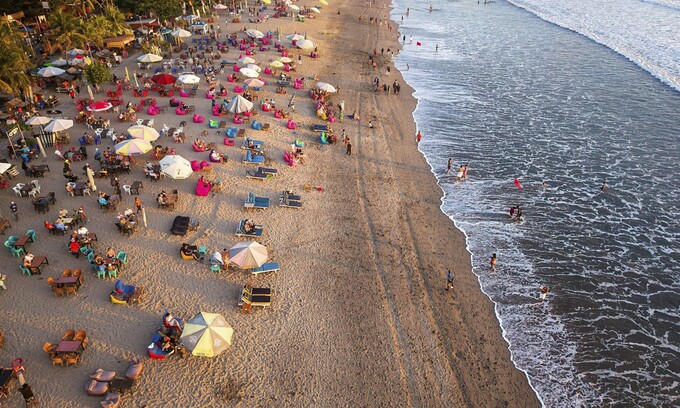
Bali was named the world's best destination in Tripadvisor's 2026 Travelers' Choice Awards. The island has long attracted influencers drawn by its beaches, culture, and luxury resorts. Many local businesses partner with foreign creators, offering free products or stays in exchange for exposure.
The immigration office said in a May 7 social media post that "it is not always about payment. Immigration authorities may look at the purpose of stay, the type of activity, and whether there is economic value behind it."
Violations can lead to fines, deportation, or permanent re-entry bans. The stricter enforcement follows a broader push by Indonesia to regulate digital work by foreigners, though the practical impact on Bali's tourism-dependent economy remains unclear. The next test will come during the peak tourist season starting in July, when authorities are expected to increase patrols.