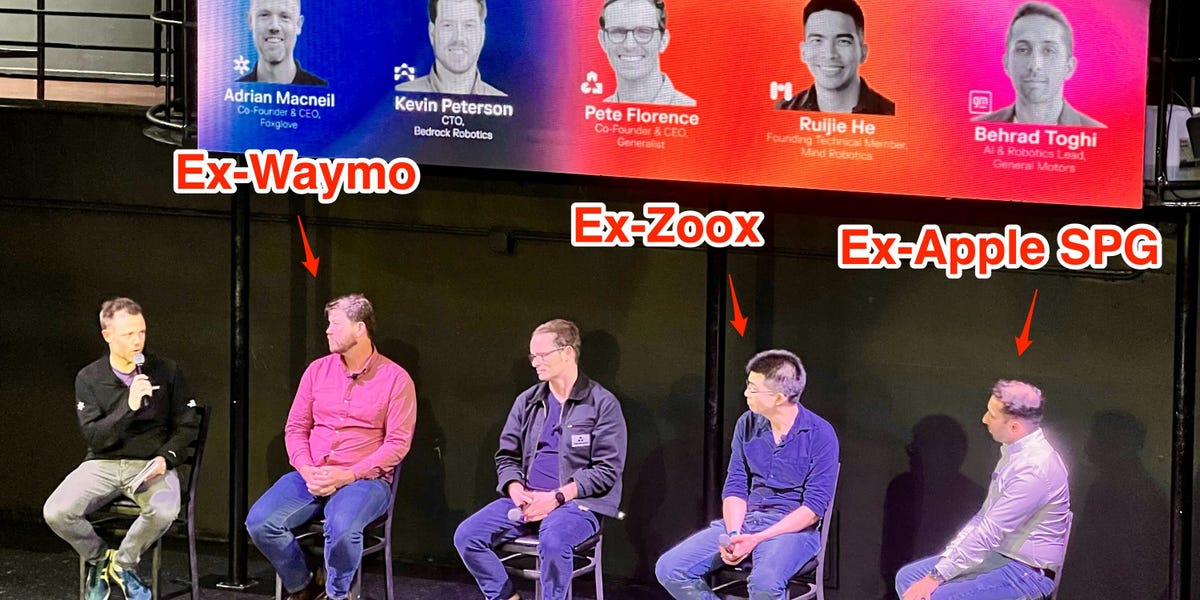
The cooling of the autonomous vehicle sector has triggered a significant migration of specialized engineering talent toward the broader robotics industry. As capital flows tighten for long-horizon, capital-intensive AV projects, the engineers who spent years solving complex navigation and perception problems are finding new homes in startups focused on commercial and industrial automation. This shift marks a transition from the narrow, high-stakes environment of self-driving cars to more immediate, modular applications in logistics, manufacturing, and service robotics.
Transferability of AV Engineering Expertise
The core competencies developed within the AV sector are proving highly relevant for general robotics firms. Engineers who previously focused on sensor fusion, path planning, and real-time decision-making are now applying these frameworks to robots operating in less chaotic but equally demanding environments. Unlike the regulatory and safety hurdles inherent in public road testing, these new applications often allow for faster iteration cycles and clearer paths to revenue. Robotics founders are increasingly prioritizing this talent pool because it reduces the time required to move prototypes from laboratory demonstrations to functional, field-deployed assets.
Strategic Realignment in Consumer Cyclical Markets
This labor market shift coincides with broader structural changes across consumer-facing industries that rely on automated supply chains. Companies within the consumer cyclical sector are under pressure to optimize labor costs and improve throughput, driving demand for the exact type of automation that these former AV engineers are now building. The movement of human capital suggests that the next wave of robotics innovation will likely prioritize reliability and cost-efficiency over the moonshot goals that defined the previous decade of autonomous vehicle development.
AlphaScala data currently tracks Amer Sports, Inc. (AS stock page) with an Alpha Score of 47/100, reflecting a mixed outlook within the consumer cyclical sector. Meanwhile, Hasbro, Inc. (HAS stock page) remains unscored as the broader market continues to evaluate how automation and shifting consumer preferences impact traditional manufacturing and distribution models. These valuations are increasingly sensitive to how effectively firms integrate advanced robotics to streamline operations.
The Path Toward Commercial Scalability
The next major marker for this trend will be the transition of these robotics startups from venture-backed research phases to full-scale commercial deployment. While the talent migration provides the necessary technical foundation, the industry must now prove that these systems can operate with high uptime in uncontrolled environments. Investors will be looking for evidence of operational efficiency gains, similar to the gains seen in other sectors as noted in Booking Holdings Leverages Generative AI to Drive Operational Efficiency and Booking Volume. The success of this talent transition depends on whether these startups can bridge the gap between sophisticated software capabilities and the physical durability required for daily industrial use. As these firms move toward their next funding rounds, the ability to demonstrate tangible unit economics will be the primary filter for long-term viability.