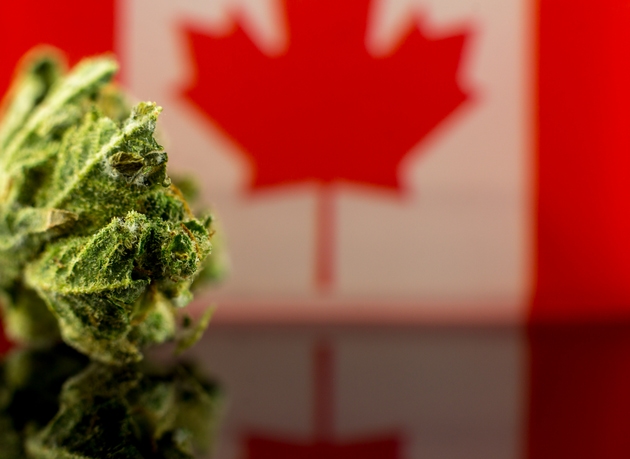
Strategic Capacity Expansion
Aurora Cannabis (ACB) has moved to bolster its international supply chain by acquiring Safari Flower Company for C$26.5 million. The transaction provides Aurora with immediate access to high-quality, EU GMP-certified production facilities, a critical requirement for scaling operations in the European and Australian medical cannabis markets.
This acquisition addresses the ongoing need for consistent, compliant supply in jurisdictions with strict regulatory oversight. By integrating Safari Flower's output, Aurora aims to reduce reliance on third-party supply contracts and gain greater control over its margins in the high-growth medical segment. The deal encompasses the acquisition of all shares of the company, funded through a combination of cash and equity, aligning with current corporate efforts to preserve liquidity while expanding infrastructure.
Market Positioning and EBITDA Impact
For investors, the primary metric remains the company’s ability to turn increased capacity into positive cash flow. Management has indicated that this purchase is expected to be EBITDA accretive within the first full year of operations. As the medical cannabis sector moves away from speculative growth toward disciplined operational efficiency, the ability to scale production while maintaining EU GMP standards serves as a significant barrier to entry for smaller competitors.
| Metric | Detail |
|---|
| Acquisition Price | C$26.5 Million |
| Primary Asset | EU GMP-certified facility |
| Target Regions | Germany, Australia, Global Export |
| Expected Outcome | EBITDA accretion within 12 months |
Implications for Cannabis Equities
Traders should monitor how this consolidation affects the broader Canadian cannabis sector. The shift toward international medical markets is a clear pivot from the saturated domestic recreational space, where price compression remains a persistent issue. If Aurora successfully integrates these assets without significant operational friction, it could set a template for other players seeking to move beyond the stock market analysis of purely North American operations.
Correlation between ACB and the broader cannabis exchange-traded funds remains tight. Increased production capacity provides a hedge against supply shortages, but the real test is whether the company can maintain price realization in a competitive German market. Watch for any updates on export volumes in the upcoming quarterly filings, as these will confirm if the Safari Flower integration is moving units as projected.
What to Watch
- Regulatory Updates: Monitor changes to German medical cannabis legislation that might increase addressable patient populations.
- Export Benchmarks: Check for increases in volume exported to Australia, which serves as a secondary growth engine for the firm.
- Margin Compression: Keep an eye on operating expenses in the next earnings report to ensure the acquisition costs do not weigh down the top-line improvements.
Investors should focus on whether the company achieves its target of EBITDA accretion, as this will dictate the sustainability of their current expansion strategy.