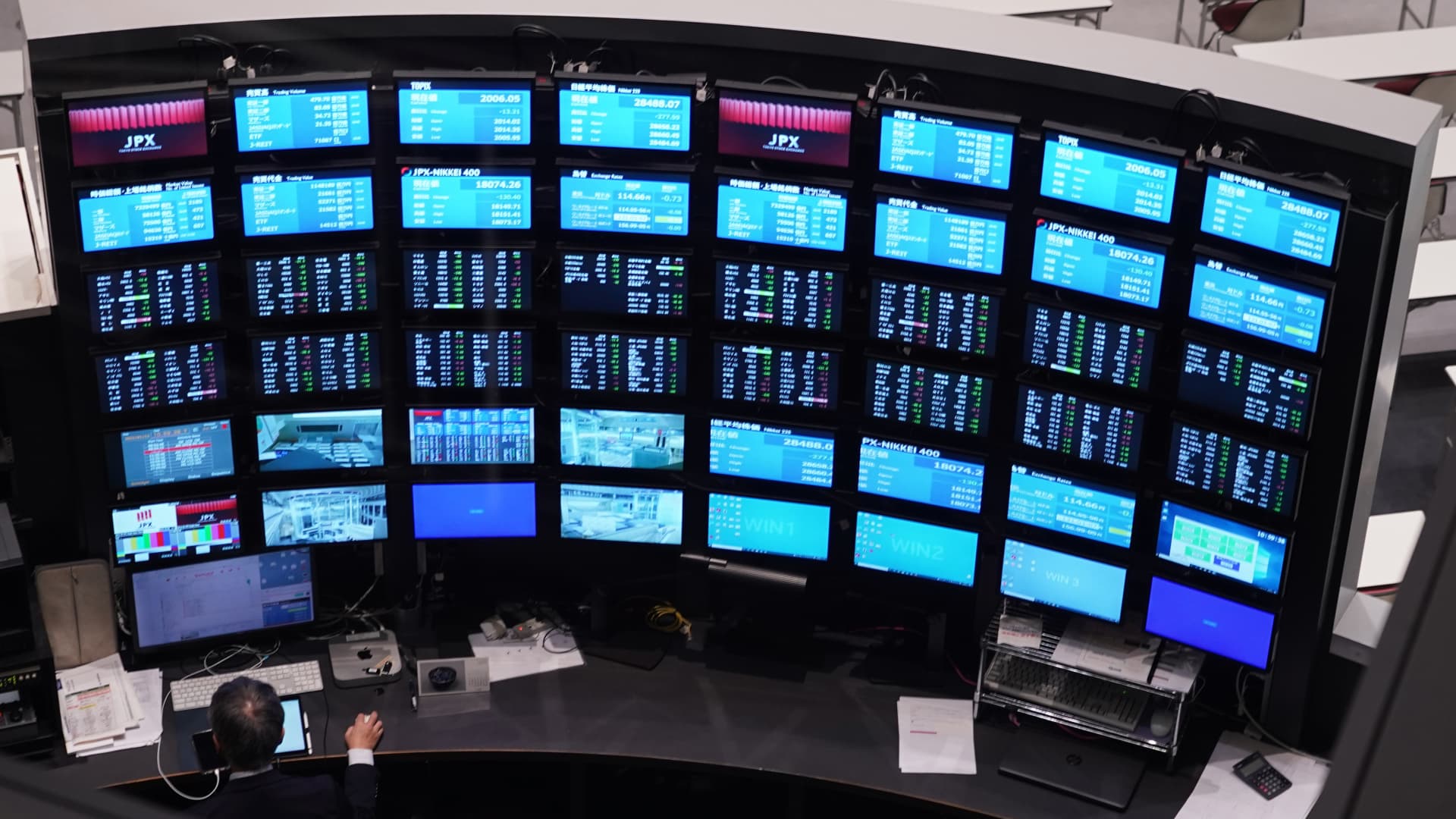
Asian equity markets opened higher on Tuesday as investors prioritized the prospect of a diplomatic resolution in the Middle East over renewed rhetoric regarding regional escalation. The market response suggests a preference for the potential stability offered by a looming ceasefire deadline, effectively discounting the impact of recent threats. This shift in sentiment indicates that capital allocation remains sensitive to the binary outcomes of peace negotiations rather than the ongoing volatility of diplomatic posturing.
Geopolitical Risk and Market Sentiment
The divergence between political rhetoric and market performance highlights a specific tolerance for uncertainty among regional investors. While the threat of escalation typically triggers defensive positioning, the current focus remains fixed on the timeline for a potential ceasefire. This optimism has provided a floor for regional indices, allowing participants to look past the immediate noise of international warnings. The ability of these markets to sustain gains despite the threat of conflict suggests that the current pricing model is heavily weighted toward a de-escalation scenario.
This behavior reflects a broader trend where regional markets are increasingly decoupling from localized geopolitical shocks in favor of broader macroeconomic expectations. If the ceasefire deadline passes without a resolution, the current optimism will likely face a rapid reassessment. The durability of this rally depends on whether the diplomatic window remains open or if the rhetoric translates into tangible changes in regional security conditions.
Sectoral Sensitivity and Regional Read-Throughs
Energy and logistics sectors remain the primary conduits for this geopolitical volatility. Any disruption to supply chains or production facilities in the Middle East would force a rapid shift in regional risk premiums. Investors are currently monitoring the situation for signs of structural changes in energy pricing, which would directly influence the cost bases for regional manufacturers and importers. The current market structure is fragile, as it relies on the assumption that the diplomatic process will supersede military objectives.
AlphaScala data currently reflects a cautious outlook across several sectors, with Amer Sports (AS stock page) holding an Alpha Score of 47/100, ON Semiconductor (ON stock page) at 45/100, and Unity Software (U stock page) at 42/100. These mixed scores underscore the broader uncertainty facing global equities as they navigate stock market analysis in a period of heightened geopolitical tension. The lack of conviction in these scores aligns with the current market hesitation to commit to long-term positions while the Middle East situation remains unresolved.
The next concrete marker for these markets will be the expiration of the ceasefire deadline. Any official communication regarding the extension of talks or the failure of negotiations will serve as the primary catalyst for the next move in regional indices. Investors should monitor for shifts in energy futures and regional currency stability as the most immediate indicators of how the market is processing the evolving threat landscape.