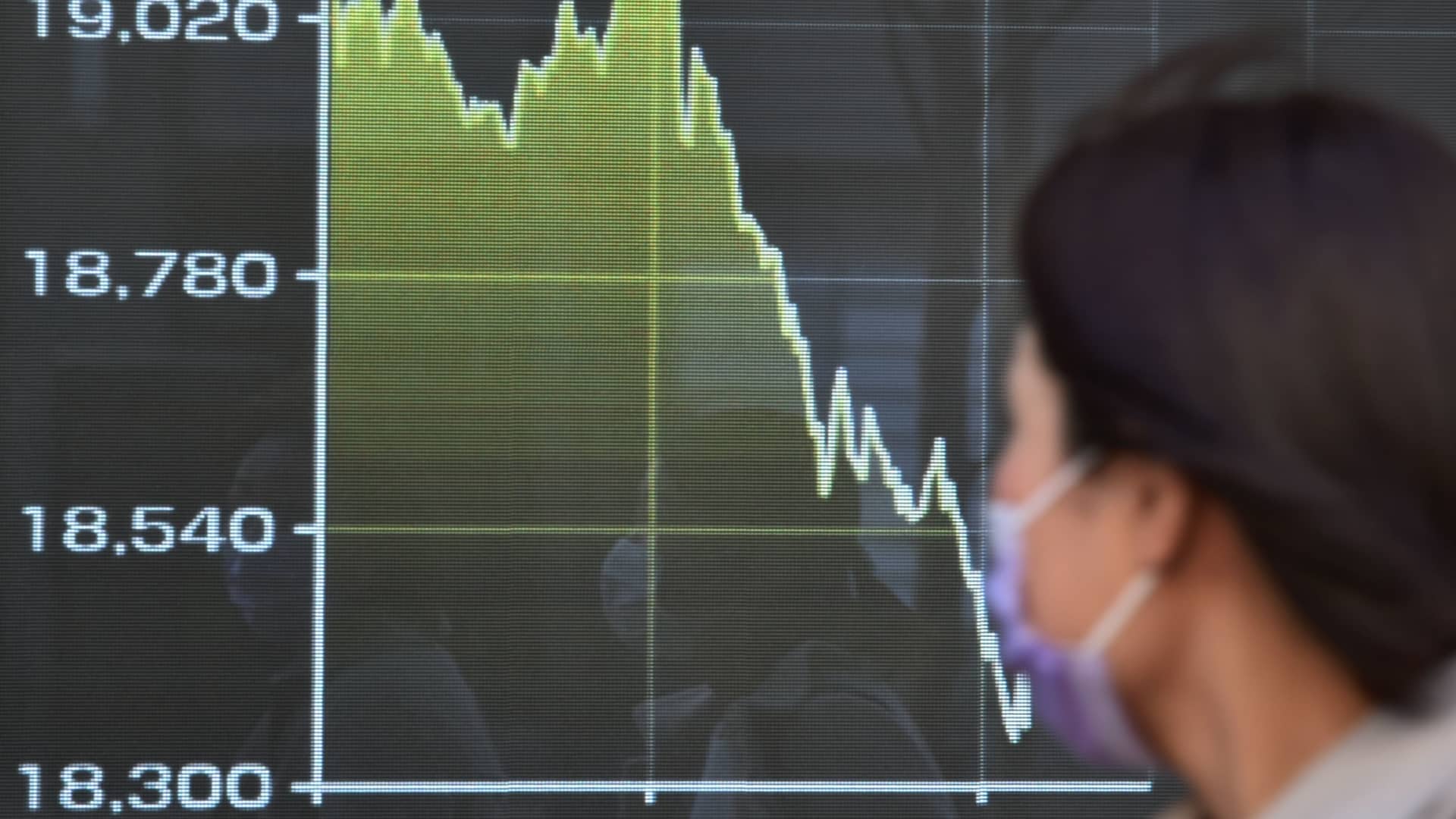
Asia-Pacific equity markets are positioned for a higher open on Monday, signaling investor resilience even as a U.S. seizure of an Iranian vessel introduces new volatility into the regional outlook. The incident marks a sharp escalation in bilateral tensions, forcing market participants to weigh the potential for supply chain disruptions against the current momentum in regional indices.
Geopolitical Risk and Energy Sensitivity
The seizure of the Iranian vessel serves as a focal point for risk-off sentiment, particularly regarding energy security and maritime trade routes. While equity markets are showing an initial positive bias, the underlying tension creates a fragile environment for energy-dependent economies across Asia. Investors are monitoring whether this development will translate into a sustained risk premium in oil prices, which historically exerts pressure on net-importing nations in the region.
This event follows a period of relative calm in trade policy, where market sentiment had been buoyed by a pause in global tariff escalations. The shift from trade-centric concerns to direct geopolitical confrontation requires a recalibration of risk models. For companies with significant exposure to international shipping or energy-intensive manufacturing, the current environment necessitates a closer look at operational hedging strategies.
Sectoral Impact and Regional Positioning
Technology and consumer-facing sectors often bear the brunt of sudden geopolitical shifts due to their reliance on integrated global supply chains. As seen in recent stock market analysis, the ability of these firms to absorb cost shocks is critical to maintaining valuation stability. The current move higher suggests that investors are prioritizing existing growth narratives over the immediate headlines, though this could shift if the maritime situation impacts regional logistics.
AlphaScala data currently reflects a cautious outlook for several key technology and consumer players, with U stock page holding an Alpha Score of 42/100, ON stock page at 45/100, and AS stock page at 47/100. These scores indicate a mixed sentiment environment where internal company performance is being tested against broader macroeconomic and geopolitical headwinds.
The Path to Market Stabilization
The immediate next marker for investors will be the reaction of regional energy markets during the first hours of trading. Any significant spike in crude benchmarks will likely force a rotation out of consumer discretionary stocks and into defensive sectors. Furthermore, the diplomatic response from both Washington and Tehran will dictate whether this incident remains a localized maritime dispute or evolves into a broader regional conflict. Market participants should monitor for official statements regarding the vessel's status, as these will serve as the primary catalyst for either a cooling of tensions or further market volatility.