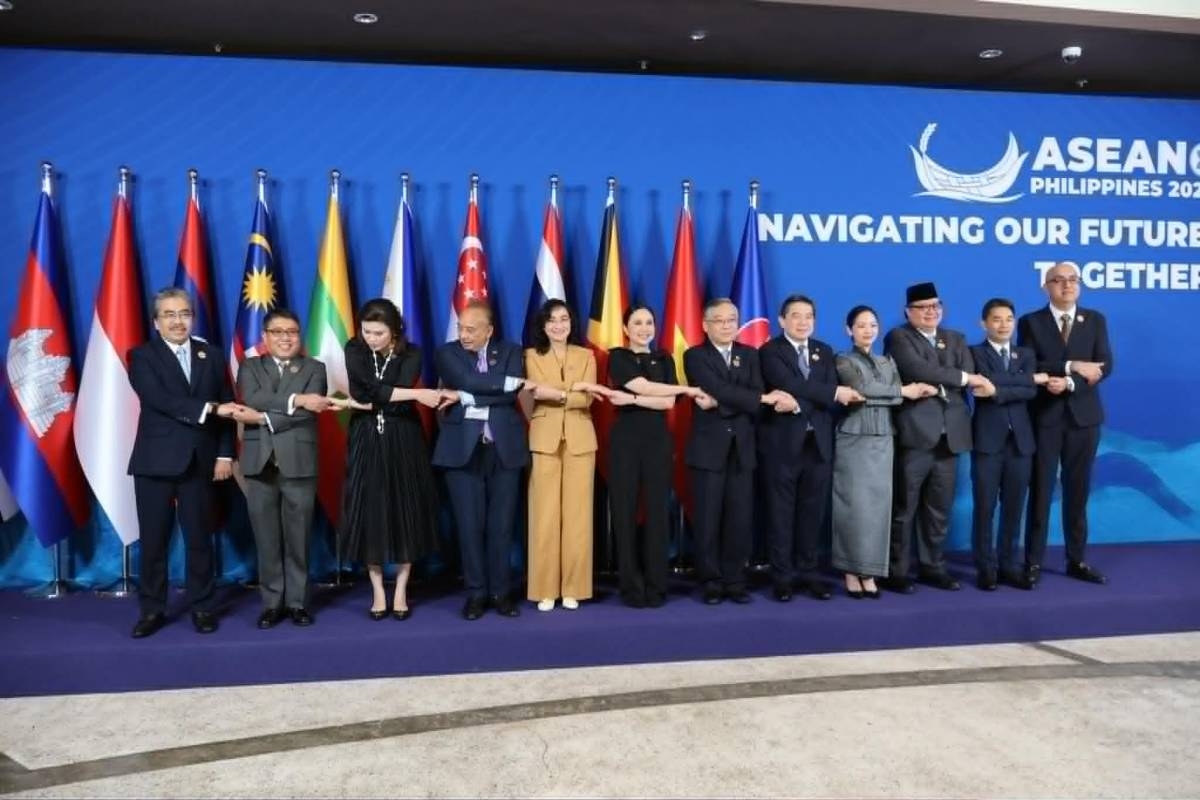
Foreign ministers in Cebu are setting the agenda for the 48th ASEAN Summit. This meeting will define the regional trade and investment priorities for the year.
Alpha Score of 52 reflects moderate overall profile with strong momentum, poor value, moderate quality, weak sentiment.
Southeast Asian foreign ministers and senior officials have convened in Lapu-Lapu City, Cebu, on Thursday, May 7, to finalize the agenda for the upcoming 48th ASEAN Summit. This gathering serves as the primary mechanism for setting the diplomatic and economic priorities that will govern regional cooperation for the remainder of the year. For market observers, the significance lies in how these preparatory meetings translate into actionable policy frameworks regarding trade integration, maritime security, and regional investment standards.
The agenda-setting process in Cebu is not merely procedural. It represents the first concrete step in aligning the diverse regulatory environments of ASEAN member states before the formal summit. When foreign ministers meet to define the scope of the 48th ASEAN Summit, they are effectively signaling which sectors will receive priority for cross-border regulatory harmonization. Investors often look to these preliminary sessions to gauge the appetite for new infrastructure projects or changes to regional trade agreements that could impact stock market analysis across the bloc.
The shift into summit mode in Cebu highlights the ongoing effort to maintain regional cohesion amidst shifting geopolitical pressures. By establishing a unified agenda, the participating nations aim to reduce friction in regional trade and investment flows. A clear, consensus-driven agenda from these meetings typically lowers the risk premium for multinational corporations operating within the region, as it provides a clearer roadmap for legislative and regulatory updates. If the ministers successfully prioritize economic integration, it often serves as a bullish signal for regional equity markets, which rely on stable trade corridors and consistent investment policies.
The outcome of these meetings will be reflected in the finalized agenda for the 48th ASEAN Summit. Market participants should monitor the specific language regarding trade liberalization and infrastructure development that emerges from these sessions. If the ministers prioritize a unified stance on regional connectivity, it could accelerate capital allocation into sectors like logistics, telecommunications, and regional banking. Conversely, a focus on internal political or security disputes may suggest a period of stagnation for regional trade policy. The next concrete marker will be the official release of the summit agenda, which will confirm whether the current diplomatic momentum will lead to substantive economic shifts or remain focused on broader, non-binding cooperation. Investors should watch for any specific commitments to new trade protocols, as these will serve as the primary indicators for potential shifts in regional market sentiment and capital flows in the coming months.
AI-drafted from named sources and checked against AlphaScala publishing rules before release. Direct quotes must match source text, low-information tables are removed, and thinner or higher-risk stories can be held for manual review.