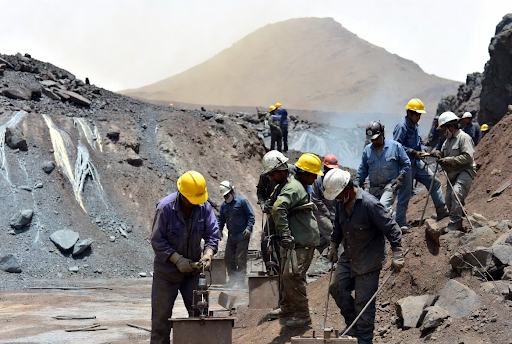
The surge in gold and silver prices throughout 2026 has fundamentally altered the operational outlook for Arizona-based mining firms. As commodity prices reach historic levels, companies operating within the region are shifting focus from maintenance to aggressive exploration and footprint expansion. This shift is most visible in the activity of Arizona Eagle Mining, which has initiated a significant expansion of its high-grade project portfolio to capitalize on the current pricing environment.
Operational Expansion in High-Grade Zones
The current price environment provides a distinct incentive for miners to accelerate development timelines. For firms like Arizona Eagle Mining, the primary objective is to maximize extraction capacity while the market sustains these elevated price points. By increasing the scale of their high-grade project footprint, these companies are attempting to secure a larger share of production output before potential market corrections or cost inflation cycles take hold. This strategy relies on the assumption that current spot prices will remain sufficiently high to justify the capital expenditure required for rapid site development.
Sectoral Read-Through and Resource Allocation
The broader Arizona mining sector is responding to these price signals by reallocating capital toward exploration and site infrastructure. When precious metal prices reach record highs, the threshold for what constitutes an economically viable deposit drops significantly. This allows miners to bring previously marginal assets into active production. The current momentum suggests that the industry is prioritizing volume growth to capture the immediate windfall associated with the record-setting commodity cycle. Investors are now monitoring how these companies manage the transition from exploration to active, high-volume extraction without compromising their balance sheets.
AlphaScala data currently reflects a diverse landscape for industrial and cyclical equities, with ON Semiconductor Corporation (ON stock page) holding an Alpha Score of 45/100, Amer Sports, Inc. (AS stock page) at 47/100, and Agilent Technologies, Inc. (A stock page) at 55/100. These scores highlight the varying degrees of stability across different sectors as they navigate shifting commodity and supply chain pressures. While precious metal miners benefit from direct price appreciation, other sectors must contend with the secondary effects of these costs on manufacturing and operational inputs.
The Path to Sustained Valuation
The next concrete marker for the sector will be the release of quarterly production reports and updated reserve estimates. These filings will clarify whether the expansion of project footprints is translating into actual, scalable output or if the companies are simply increasing their land holdings. The sustainability of this rally depends on whether miners can maintain their margins as they scale up operations. Future updates on capital expenditure efficiency and the conversion of exploration assets into proven reserves will serve as the primary indicators for the long-term viability of this growth phase. As the market continues its stock market analysis of these trends, the focus will remain on the ability of these firms to convert record spot prices into durable cash flow.