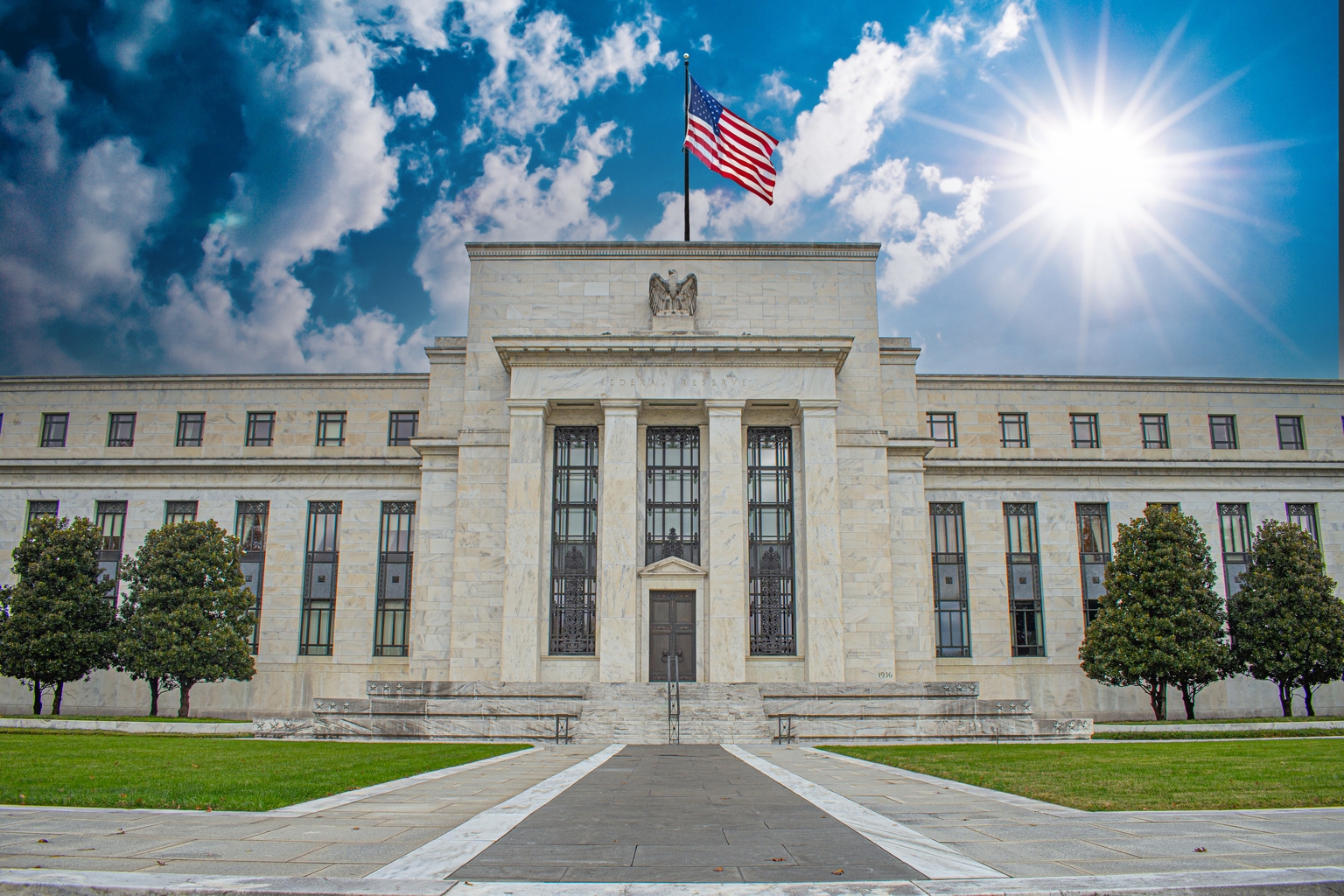
The prospect of Kevin Warsh as a potential Federal Reserve Chair candidate introduces a distinct shift in the expected transmission of monetary policy. Unlike the current discretionary framework, a Warsh-led Fed would likely pivot toward a rules-based regime. This transition implies a structural departure from the current reactive stance, favoring predictable, formulaic adjustments that prioritize long-term price stability over short-term employment smoothing.
Transmission to Bond Yields and Credit Spreads
A move toward rules-based tightening creates immediate friction for the long end of the Treasury curve. If the market anticipates a policy framework that prioritizes inflation control through rigid adherence to specific economic indicators, term premiums are likely to expand. Investors should expect increased volatility in the 10-year and 30-year sectors as the market reprices the risk of a Fed that is less willing to intervene during liquidity crunches. This environment typically compresses the spread between short-term policy rates and long-term yields, potentially flattening the curve in a manner that challenges traditional banking profitability models.
Equity Sector Sensitivity and Valuation Re-rating
The equity market reaction to a rules-based policy shift is bifurcated. Sectors reliant on high leverage, such as REITs and capital-intensive industrials, face significant valuation headwinds. When the cost of capital is governed by a strict rule rather than a discretionary pivot, the ability of these firms to refinance debt at favorable rates becomes less certain. For companies like Bloom Energy, which operates within the industrials sector, the cost of capital is a primary driver of project viability and expansion.
- Bloom Energy Corp (BE stock page) currently holds an Alpha Score of 46/100, reflecting a mixed outlook within the industrial landscape.
- Hasbro, Inc. (HAS stock page) remains in an unscored position as it navigates shifting consumer discretionary spending patterns.
Liquidity and the Dollar Mechanism
Under a rules-based mandate, the Federal Reserve would likely reduce its footprint in secondary markets, limiting the scope for balance sheet expansion. This contractionary bias supports the U.S. dollar, as the supply of liquidity becomes more constrained relative to global peers. A stronger dollar exerts downward pressure on commodity prices, particularly gold and oil, which often serve as hedges against discretionary monetary debasement. As the policy horizon shifts, the correlation between equity index performance and liquidity availability will likely decouple, forcing a return to fundamentals-based pricing.
For further context on how these shifts interact with broader economic trends, see our analysis on Federal Reserve Liquidity Expansion and the Inflationary Horizon. The next concrete marker for this transition will be the formal confirmation process and the subsequent release of the Federal Open Market Committee minutes, which will reveal the internal appetite for a move away from the current discretionary mandate. Market participants should monitor the spread between real yields and inflation expectations as the primary indicator of how deeply the market has priced in this potential regime change.