Apple's market cap sits near $3 trillion. The real asset isn't in Cupertino's balance sheet. It's in the engineers, designers, and supply-chain managers who build the products. The company's ability to attract and keep that talent is a competitive advantage that shows up in margins, product cycles, and shareholder returns.
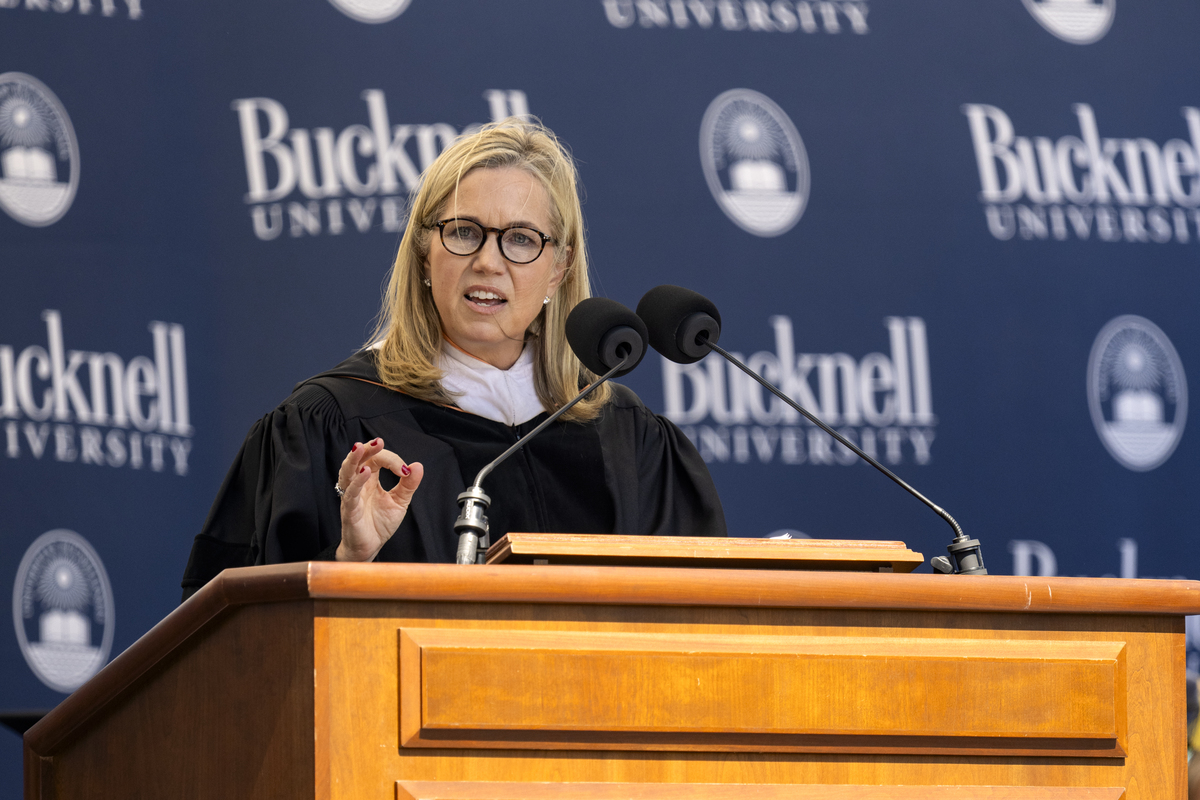
Paul Graham's commencement speech at Bucknell this week hit on something that applies directly to stock analysis. He told graduates to find the interesting people and ask what they're working on. For Apple, that advice is a business model. The company has spent decades building a culture that pulls in top graduates from Stanford, MIT, and Carnegie Mellon. It pays well – median compensation is roughly $250,000. The draw is the work itself. Engineers who join Apple work on products that ship to a billion people. That's a recruiting pitch no competitor matches.
The result shows in the numbers. Apple's gross margin has stayed above 43% for five straight years, even as component costs rose. That margin resilience comes from product differentiation, which comes from talent. Samsung and Google can match Apple on specs. They can't match the integration of hardware, software, and services that Apple's teams deliver. The gap is people.
There's a risk. If Apple loses its ability to attract that talent, the margin story breaks. The company already faces pressure from remote-work policies. Some engineers prefer startups or fully remote roles. Apple's return-to-office mandate has cost it a few senior hires. The pipeline is still deep. Apple hired 6,000 engineers last year. Its intern acceptance rate is among the highest in tech.
For investors, the talent question is a leading indicator. Watch the hiring numbers and the retention rate. If those hold, the product pipeline stays strong. If they slip, the margin compression starts. That's the real catalyst to track.
Graham's core insight – find the interesting people – maps directly onto Apple's strategy. The company doesn't compete on price. It competes on the output of its best people. That output is what justifies the premium valuation. The moment the talent pipeline weakens, the valuation argument weakens with it.
Apple's stock market analysis shows the company trades at roughly 28x forward earnings. That multiple depends on sustained margin performance. The margin performance depends on product differentiation. The product differentiation depends on talent. The chain is only as strong as the weakest link. Right now, the talent link looks solid. The question is how long that lasts.