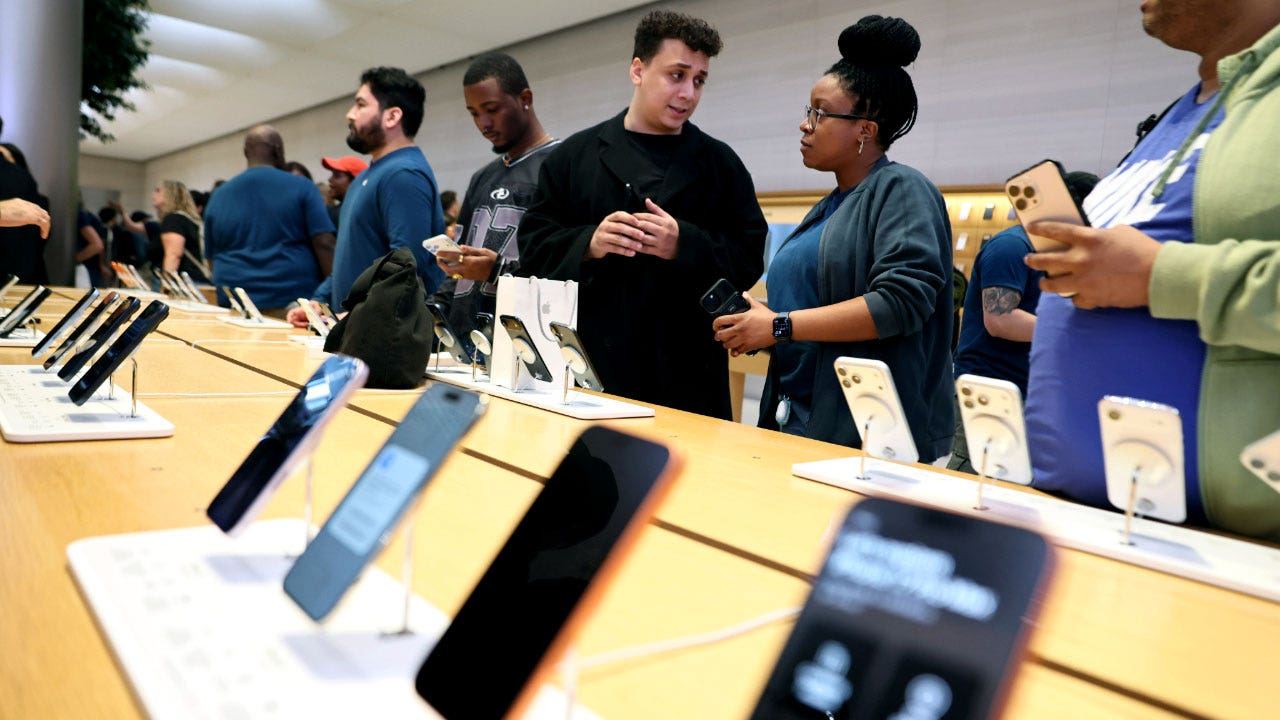
Apple has reached a $250 million settlement to resolve allegations that it misled consumers regarding the availability of artificial intelligence features on its latest iPhone models. The proposed agreement, filed in the U.S. District Court for the Northern District of California, addresses claims that the company marketed "Apple Intelligence" and enhanced Siri capabilities that were not functional at the time of device purchase. While Apple denies any wrongdoing, the settlement serves as a concrete marker of the legal and operational friction inherent in the current race to deploy generative AI at scale.
The Scope of the Settlement
The settlement fund is non-reversionary and is designed to compensate owners of approximately 37 million devices sold in the United States between June 10, 2024, and March 29, 2025. The eligible hardware includes all iPhone 16 models, as well as the iPhone 15 Pro and iPhone 15 Pro Max. Under the terms of the deal, consumers who submit valid claims could receive between $25 and $95 per device, depending on the total volume of claims processed. The plaintiffs had initially estimated potential damages exceeding $2 billion, arguing that the market premium for these devices was predicated on features that were absent at launch.
This litigation highlights a specific risk for Apple (AAPL) profile: the gap between marketing cycles and product delivery. By promoting advanced Siri capabilities that were not yet live, the company faced accusations of inducing purchases through deceptive advertising. For shareholders, the $250 million payout is a manageable expense, but the case establishes a precedent for how regulators and courts may view the "AI premium" in consumer electronics. As companies like NVIDIA profile and other hardware giants push deeper into AI integration, the pressure to deliver on marketing promises becomes a direct liability risk.
Mechanism of the AI Marketing Gap
The core of the dispute lies in the timing of software deployment versus hardware sales. Apple's marketing strategy relied on the promise of "Apple Intelligence" to drive the upgrade cycle for the iPhone 15 and 16 series. When those features failed to materialize at the point of sale, the resulting consumer frustration translated into a class-action filing. The company maintains that it has since rolled out dozens of features, including Visual Intelligence, Live Translation, and Writing Tools, across its platforms. However, the legal challenge suggests that the market's tolerance for "vaporware" in the AI sector is shrinking.
Investors should view this settlement as a signal of the broader regulatory environment surrounding AI. The Trump administration is reportedly reviewing AI models from companies like Google and Microsoft, indicating that the scrutiny is not limited to consumer-facing hardware. The legal risk here is not necessarily the capital outlay, but the potential for future regulatory mandates that could force tech firms to delay marketing campaigns until software features are fully validated and operational.
Valuation and Sector Read-Through
While the $250 million figure is a fraction of the $2 billion in damages originally sought, it highlights the cost of managing reputation in an era of hyper-competitive AI adoption. Apple faces significant pressure from rivals such as Google and Samsung, both of which are aggressively integrating AI into their own hardware ecosystems. This competitive environment often forces firms to accelerate product launches, increasing the likelihood of feature delays.
For those tracking the broader tech landscape, this case is a reminder that why SaaS moats are crumbling under AI coding pressure is only one side of the story; the hardware side faces its own set of execution risks. The settlement requires final court approval, with a preliminary hearing scheduled for June. Until that date, the uncertainty surrounding the total number of claims and the final payout per user remains a minor but persistent variable in the company's near-term legal provisions.
Risk Assessment and Next Steps
To understand the long-term impact, one must look at how Apple adjusts its future marketing communication. If the company shifts toward more conservative, feature-verified advertising, it may see a slight cooling in the "hype-driven" sales cycles that have historically bolstered its quarterly earnings. Conversely, if the company continues to push aggressive timelines, it risks further litigation as the complexity of AI integration grows.
For context, other tech giants are navigating similar waters. While MSFT stock page currently holds a moderate Alpha Score of 64/100, its exposure to AI-driven litigation is largely focused on the enterprise and cloud infrastructure side rather than consumer hardware. Similarly, WELL stock page and other real estate or infrastructure plays remain largely insulated from this specific type of consumer-marketing litigation. The primary risk for Apple remains the potential for future class actions if subsequent AI updates fail to meet consumer expectations or if the company is forced to issue further concessions.
Ultimately, the settlement is a tactical retreat to avoid the expense of prolonged discovery. It does not fundamentally alter the company's competitive position, but it does raise the bar for what constitutes "market-ready" AI. Investors should monitor the June approval hearing for any changes to the settlement terms or the inclusion of additional device categories. If the court finds the terms insufficient, the potential for a larger, more protracted legal battle increases, which would be a negative development for the stock's sentiment in the short term. For now, the market appears to have priced in the settlement as a routine cost of doing business in the current, highly litigious AI landscape.