Stocks● Neutral
Appeals Court Blocks Transgender Troop Ban Policy
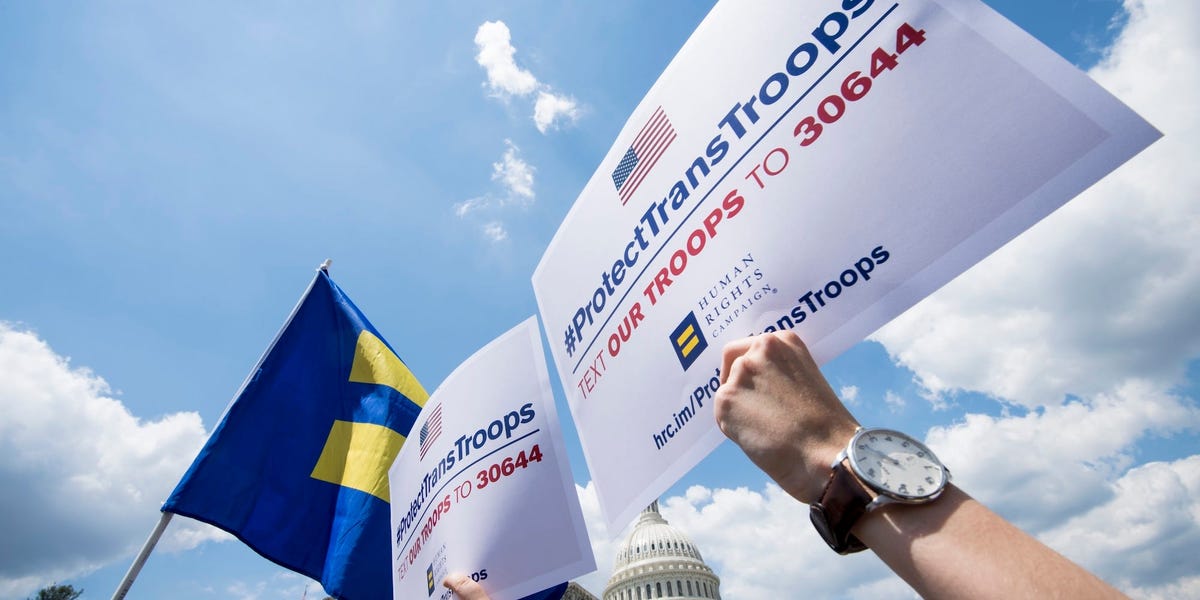
The court found the Pentagon failed to show harm to national security. The ruling may face a Supreme Court appeal, creating a catalyst for defense policy risk.
Continue with
A federal appeals court ruled Monday that the Pentagon's policy to remove transgender troops was illegal, halting further discharges. The court found the Pentagon failed to demonstrate that transgender service members harm national security, a standard the government must meet to justify the ban. For now, transgender troops already serving can remain on active duty without risk of removal under this specific directive.
The ruling does not address other potential avenues for discharge. It removes the most direct administrative mechanism the Pentagon had been using. The administration can appeal to the Supreme Court or seek a legislative fix through Congress. The legal path forward depends on whether the government can produce evidence that transgender service members create a material risk to military effectiveness. The court's opinion suggests the Pentagon's current record is insufficient.
Why the Ruling Matters for Defense Contractors
For investors tracking defense-sector exposure, the ruling introduces a new layer of political and legal uncertainty around personnel policy. The direct financial impact on defense contractors is negligible–the ruling does not affect procurement or spending. The broader signal matters more. A court blocking a core administration policy on national security grounds raises the stakes for future executive orders that touch military readiness. Companies with large government contracts, particularly those in defense services and logistics, face indirect risk if personnel policies become a recurring legal battleground. The ruling also resets the timeline for any future policy changes, meaning the current status quo could hold for months or longer if the case reaches the Supreme Court.