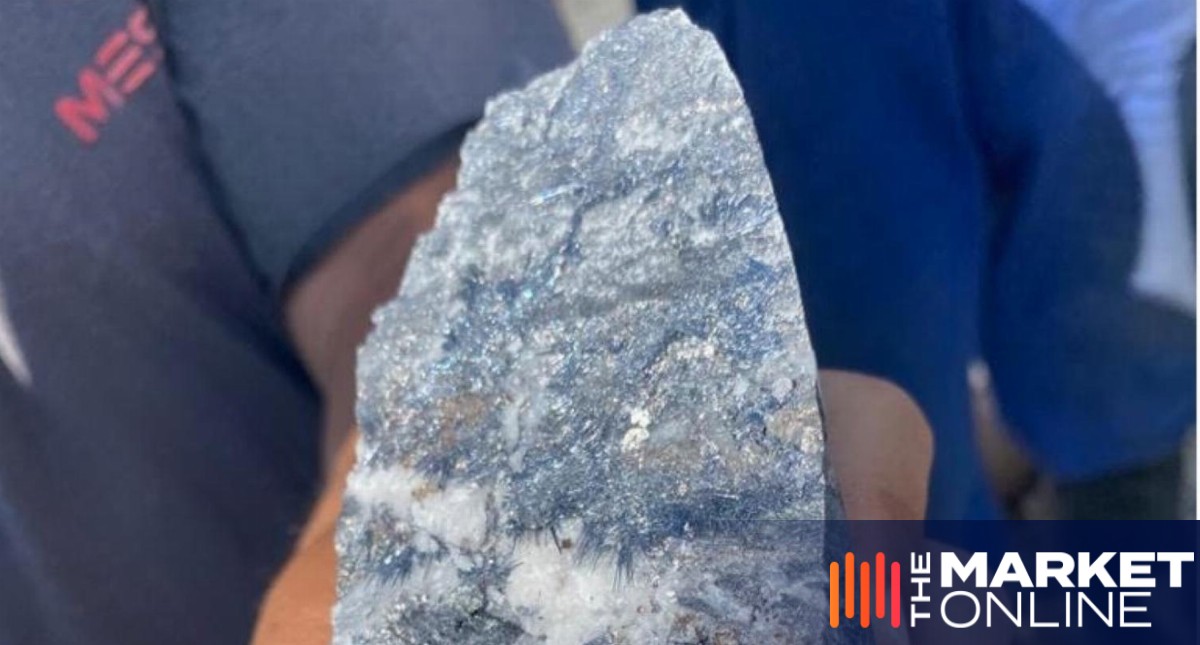
The $2 million capital injection provides critical runway for the Nueva Sabana mine. Investors should monitor if funds accelerate resource feasibility studies.
Antilles Gold has secured a $2 million capital injection to advance its Nueva Sabana mine project in Cuba. The company is raising these funds through a direct share issuance to a Chinese investor, providing a liquidity bridge as it pushes forward with site development.
This capital raise comes at a time when the company is attempting to accelerate its exploration and development timeline. While the amount is relatively modest in the broader context of mining capital expenditure, it provides the necessary runway to maintain operational momentum at the Nueva Sabana site. The partnership with a Chinese participant also underscores the ongoing interest in Cuban mineral assets, despite the complex regulatory environment surrounding the island’s mining sector.
For investors tracking junior gold miners, this move highlights the difficulty of securing traditional institutional debt for projects in high-risk jurisdictions. Antilles Gold remains focused on its joint venture model in Cuba, which serves as its primary mechanism for mitigating the legal and operational hurdles inherent in the region.
Traders looking at the stock market analysis for small-cap miners should note that the dilution associated with such placements is often the trade-off for survival in early-stage development. Investors should watch for the following key metrics as the company deploys these funds:
Small-cap miners like Antilles Gold often trade on sentiment regarding their specific project lifecycle rather than broader market indices like the SPX. When companies in this bracket secure funding from non-traditional sources, it often signals that the asset has passed a technical threshold deemed viable by the investor. However, the lack of depth in the stock’s liquidity means that news of this nature can lead to significant volatility in the share price.
Traders should keep a close eye on the company’s burn rate following this cash injection. If the $2 million is earmarked purely for administrative costs rather than aggressive drilling or infrastructure, the market will likely respond with skepticism. Conversely, if the funds allow for the publication of updated resource estimates or feasibility studies, the stock may see a re-rating.
Ultimately, the ability to close funding rounds in the current interest rate environment remains a critical indicator of management's ability to execute. Investors need to differentiate between companies that can maintain their project pipelines via private placements and those that will be forced to dilute shareholders repeatedly to keep the lights on.
Prepared with AlphaScala editorial tooling from the source reporting linked above. Indexable analysis may include a cited Alpha Score value. Publishing checks screen each story before release. Educational coverage, not personalized advice.