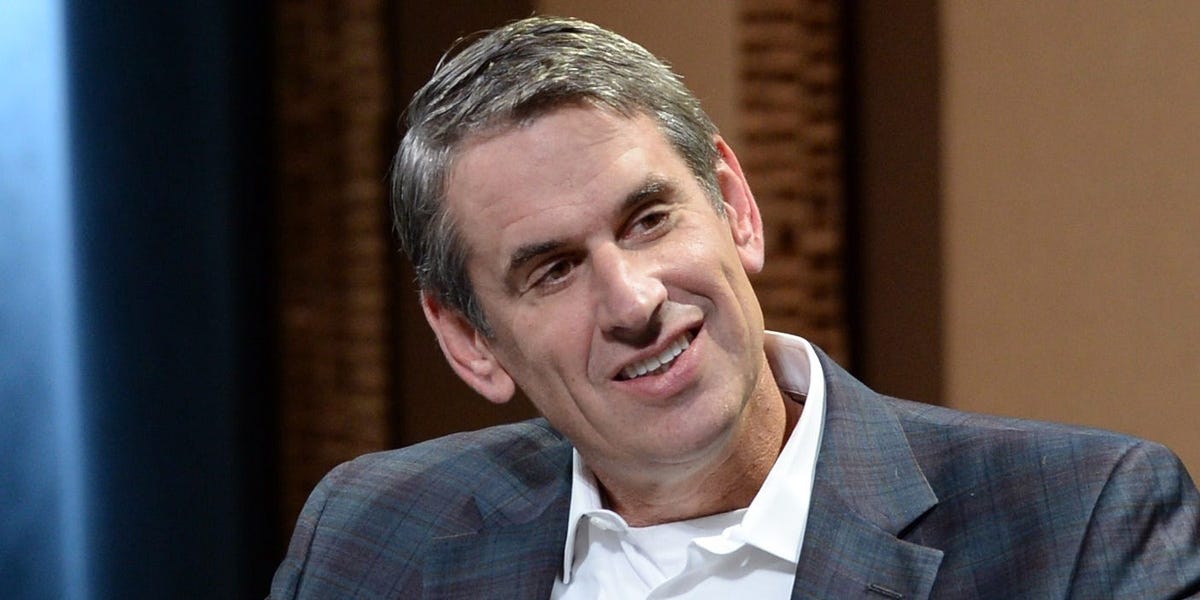
Venture capitalist Bill Gurley has injected a new narrative into the AI safety debate. In a recent interview, Gurley said his current view is that Anthropic is “midwifing a deity” by “building a species that’s superior to humans.” The remark moves the conversation beyond traditional competitive concerns about stifling rivals. Gurley now frames Anthropic’s mission around existential ambition rather than market tactics.
The Catalyst: A Remark That Reframes Anthropic’s Mission
Gurley is a prominent tech investor known for early bets on Uber and Zillow. His statements carry weight in Silicon Valley. By describing Anthropic’s work as creating a deity, he sharpens the existential risk narrative that has trailed the AI industry since ChatGPT launched. Anthropic has positioned itself as the safer alternative to OpenAI, emphasizing its Constitution-based training methods. Gurley’s comment suggests those safeguards may be secondary to the core goal: building intelligence that surpasses humans. This reframing matters because it moves the discussion from competition to ethics. For a private company like Anthropic, which has raised billions from investors including Google, the perception of its mission influences regulatory attention, talent acquisition, and the willingness of business partners to integrate its models.
Why This Shifts the Risk Profile for Anthropic and the AI Sector
The simple read: a VC made a provocative statement. The better market read is that this remark arrives at a delicate moment. Anthropic is reportedly preparing for a large funding round and a potential IPO in the coming years. The company’s valuation already runs into the billions. When a respected venture capitalist frames the product as a deity, it injects a new layer of risk into that valuation. Investors in private markets are already wrestling with how to price AI companies whose revenue growth is explosive but whose long-term risks are poorly defined. AI safety concerns have largely been dismissed as edge cases. Gurley’s deity framing gives those concerns a shorthand that could spill into public debate. Regulators in the U.S. and Europe are drafting AI rules. A prominent voice arguing that Anthropic is building a species superior to humans could accelerate calls for stricter oversight or delayed deployments. The remark also affects the competitive landscape. OpenAI has faced its own existential-risk debates, including the ouster and reinstatement of Sam Altman in 2023. A shift in the public perception of Anthropic as more dangerous could push corporate clients toward smaller, less ambitious models. That would dampen demand for Anthropic’s Claude system, which competes directly with OpenAI’s GPT series.
The Decision Point: What to Watch Next in the Anthropic Story
For anyone tracking the AI investment narrative, the next concrete signal will be how Anthropic addresses this characterization in its own communications. If the company distances itself from Gurley’s framing, that suggests sensitivity to the safety brand. If it leans in, arguing that building superior intelligence is precisely the goal, then investors must reassess the risk profile. Also watch the reaction from existing backers like Google and Zoom Ventures. Their willingness to continue funding Anthropic at escalating valuations depends partly on the public story. A single VC comment does not change fundamentals, it can shift the story. The story matters when a company’s value rests on future revenue expectations.
This development reinforces why investors tracking the AI theme need to look beyond revenue multiples. The narrative around what these companies are actually building is itself a risk factor. Anthropic’s next funding announcement – or any sign of regulatory pushback – will be the moment to test whether Gurley’s deity remark was just a provocative line or the start of a broader repricing. For context on the broader AI infrastructure buildout, see our coverage of HPE Q2 Beat: Revenue Jumps 40% on AI Server Demand and for the latest in stock market analysis.