Living standards grew at 2.5% annually before 2007, half that since. The next PM inherits a fiscal squeeze, a youth jobs crisis, and hard choices on defence and welfare.
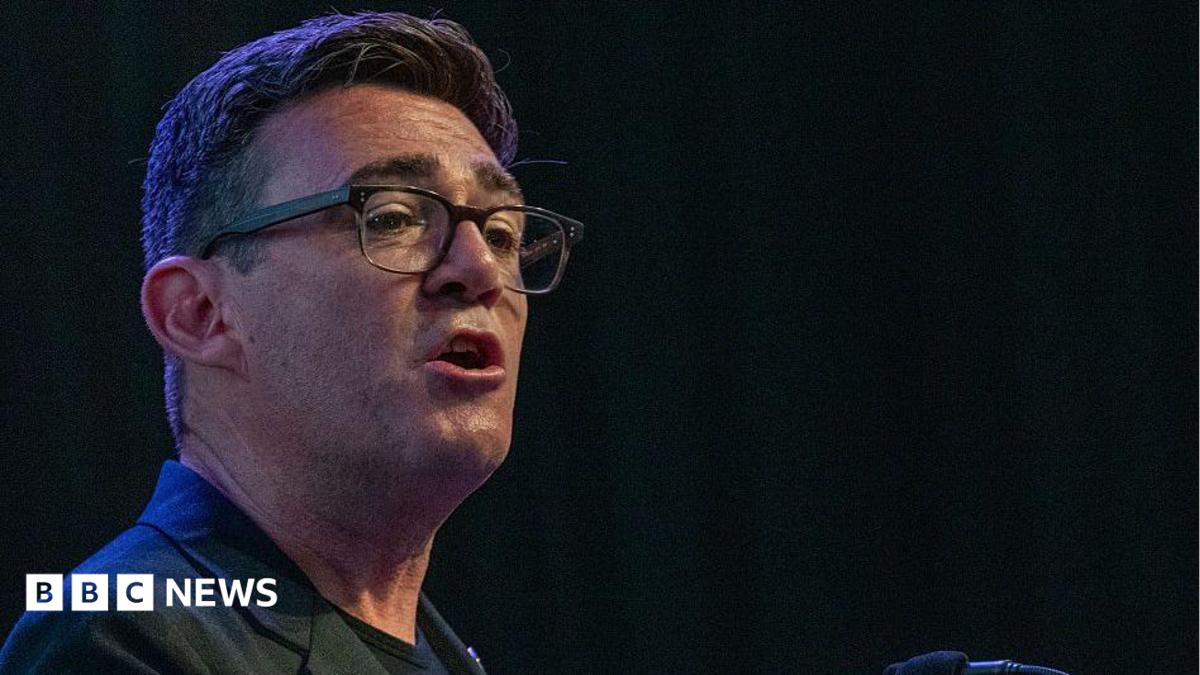
Six prime ministers in a decade. Andy Burnham looks likely to become the seventh. The revolving door at Number 10 has been driven, in large part, by the economy. Lack of job opportunities, stagnant living standards, and pressured public services have worn voter patience thin. The next person in charge inherits the same structural problems the last six failed to solve.
Burnham has pledged to revive the economy while sticking to the current government's borrowing and spending rules. That means borrowing only to invest, not to fund day-to-day spending, and reducing debt as a share of GDP within a few years. Before the US-Israel conflict with Iran started, Chancellor Rachel Reeves reckoned she could meet her fiscal rules with £24 billion to spare. The war has since raised spending needs. Much of that cushion has likely been eroded.
Burnham's pledge to keep the rules shows he is wary of upsetting bond markets. Interest payments on national debt already account for one in every £10 the government spends. Even the plans Burnham has hinted at could easily exceed the available wiggle room. He could tweak the rules. Bond markets might tolerate more borrowing for investment if they believed it would generate higher growth. Or he could raise money from taxes or cuts elsewhere.
Growth has to remain the priority. Between 1990 and 2007, the average person got better off by roughly 2.5% per year. Since then, living standards have improved at half that rate. Households are thousands of pounds worse off than they could have been. A lack of public and private investment during austerity and after Brexit has hurt productivity. Covid and higher energy prices made it worse. Food prices jumped 40% in a few years.
More investment and more focus on skills are likely needed. Burnham has implied boosting both, along with more state control of utilities to lower bills. Underpowered growth is one reason hiring is at its lowest level in five years. Young people are hit particularly hard. The article cited automation and higher minimum wages as factors behind weak hiring. Job losses are concentrated in retail and hospitality, industries most vulnerable to higher labour costs and typically a source of entry-level jobs.
A recent report by former Labour minister Alan Milburn highlighted how the erosion of such posts contributed to rising youth joblessness. The number of young people not in employment, education, or training (NEETs) is rising. Milburn warned NEETs could hit one in six young people, potentially blighting lives for decades. The second part of that report, with policy recommendations, will be published later this year. It is expected to call for a radical overhaul of how every part of the public sector interacts with the private sector.
The costs of providing better and safer lives could mount fast. The government has pledged to increase defence spending to 3.5% of GDP by 2035. Burnham has indicated support. That could take tens of billions of pounds. John Healey quit as defence secretary over what he called the Treasury's unwillingness to commit the resources the nation needs. Finding that cash may mean taking it from other departments already facing budget squeezes.
Welfare spending is set to rise by over a quarter between 2025 and 2030. The main increases are sickness-related payouts for working-age adults and pensioner benefits. Pushing through welfare reform proved difficult for Prime Minister Sir Keir Starmer. The government's official forecasters have flagged that the cost of the state pension under the triple lock system is set to double within 50 years. Simplifying that formula could mean smaller pension increases and save tens of billions. It is an approach backed by many economists, including Lord Jim O'Neill, one of Burnham's new advisers. Would Burnham venture where few politicians have and upset the most influential group of voters?
Housing adds another layer. With house prices rising more slowly than earnings, purchasing a home for the first time is more possible than a couple of years ago. At the start of the year, Nationwide Building Society said mortgage payments accounted for a third of take-home pay, well below the record of 48% in 1989. Today's buyers tend to juggle high rental costs too, making it harder to save a deposit. The average age of the first-time buyer has risen. The most sustainable solution is to build more homes. The government is behind on its target. New homes were down 6% last year and below the 300,000 needed to hit the target. Burnham wants to build more social housing. Successive governments have found it is not easy. (For context on institutional housing policy, see the recent House set to pass housing bill capping institutional home purchases at 350.)
The easiest way to fund his plans would be to draw on the spoils of faster growth. Like many before him, Burnham's vision appears to be that you have to spend more money to make money. The question is whose money.
Prepared with AlphaScala research tooling and grounded in primary market data: live prices, fundamentals, SEC filings, hedge-fund holdings, and insider activity. Each story is checked against AlphaScala publishing rules before release. Educational coverage, not personalized advice.