The U.S. House is expected Tuesday to send President Donald Trump a rare bipartisan affordable housing bill that caps institutional single-family home purchases at 350 units and cuts zoning red tape, after the Senate passed it 85-5 on Monday night.
The 21st Century ROAD to Housing Act advanced after months of back-and-forth between chambers. Lawmakers struck a final deal last week. Both parties see the legislation as a midterm campaign plank, with affordability dominating voter concerns ahead of the 2026 elections. Republicans are defending narrow majorities in both the House and Senate.
The bill would limit how many single-family homes institutional investors can buy, a provision aimed at curbing corporate bidding in residential markets. It also removes certain regulatory barriers to new construction, a trade-off that drew support from homebuilder groups and some affordable-housing advocates.
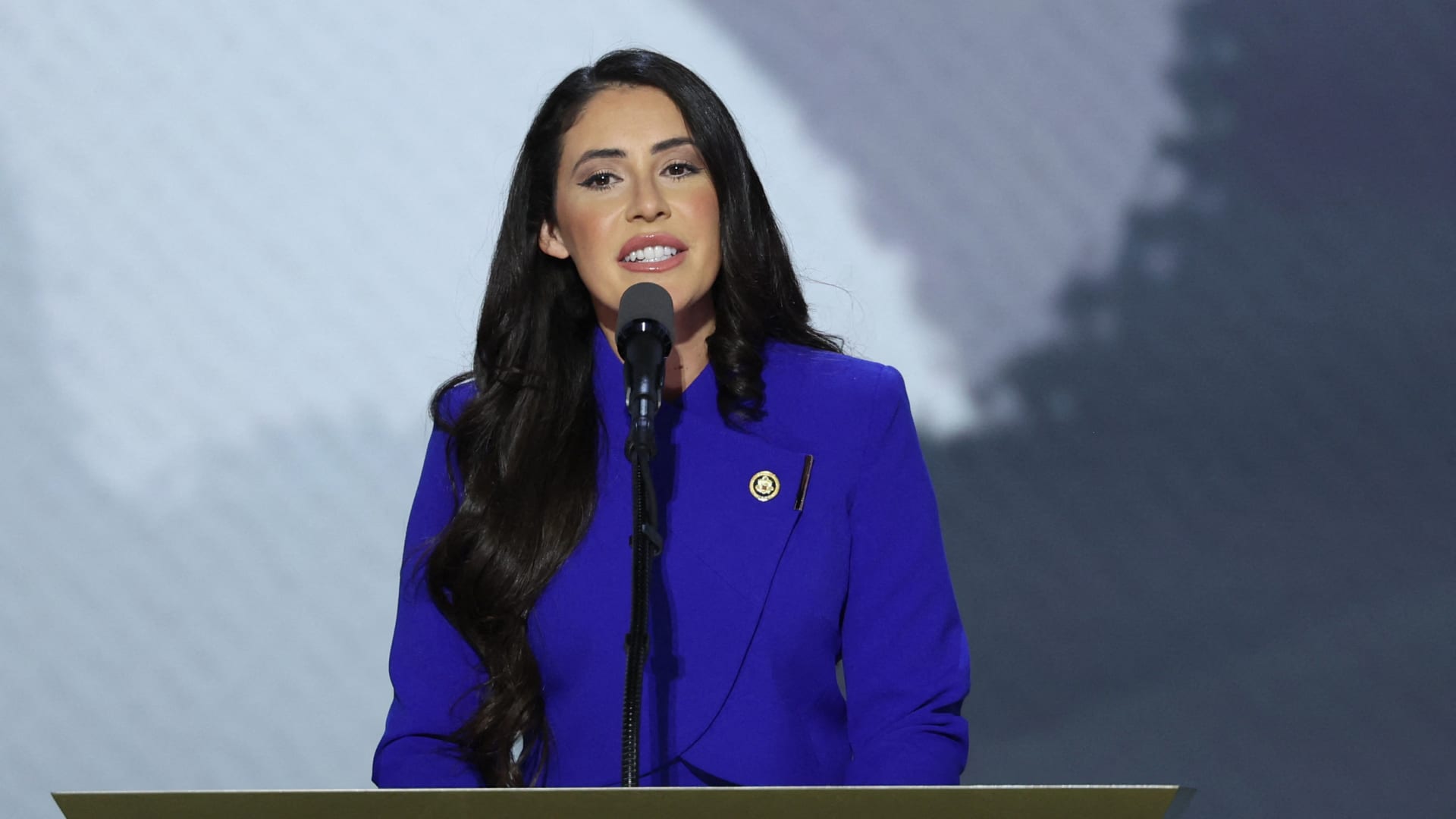
The path through the House hit turbulence Tuesday morning. Rep. Anna Paulina Luna, R-Fla., posted on X that she would oppose the rule for floor debate – and possibly longer – unless GOP leaders also bring up the SAVE America Act, a voter-ID and proof-of-citizenship bill that passed the House in February but lacks Senate votes. Luna wrote that other House members shared her frustration. "This is a problem," she said.
Republican leaders plan to fast-track the housing bill under suspension of the rules, a procedure that requires two-thirds support. Luna's opposition, while vocal, is unlikely to sink the measure without broader defections from the GOP conference. The SAVE Act has no path through the Senate, and Trump has urged Congress to approve it despite the math.
The bill's passage would mark one of the few major pieces of housing legislation to reach a president's desk in years. The cap on institutional purchases is the most aggressive federal limit on corporate homeownership to date, though its practical effect depends on enforcement and on how many investors restructure holdings below the threshold.
For homebuilders, the zoning provisions could unlock more permits in states where local approval processes have stalled projects. For institutional buyers – Blackstone, Invitation Homes, and similar firms – the 350-unit cap means any single-family portfolio above that threshold cannot grow through direct acquisitions. The bill does not apply to multifamily rentals or commercial property.
The legislation also includes a $1 billion grant program for states that adopt streamlined permitting, a carrot designed to accelerate construction without preempting local land-use authority. The Congressional Budget Office estimated the bill would add roughly 200,000 new housing units over five years, a fraction of the estimated 3.8 million-unit shortfall identified by the National Association of Realtors.
A vote is expected late Tuesday afternoon. If the bill clears the House, Trump has indicated he will sign it.