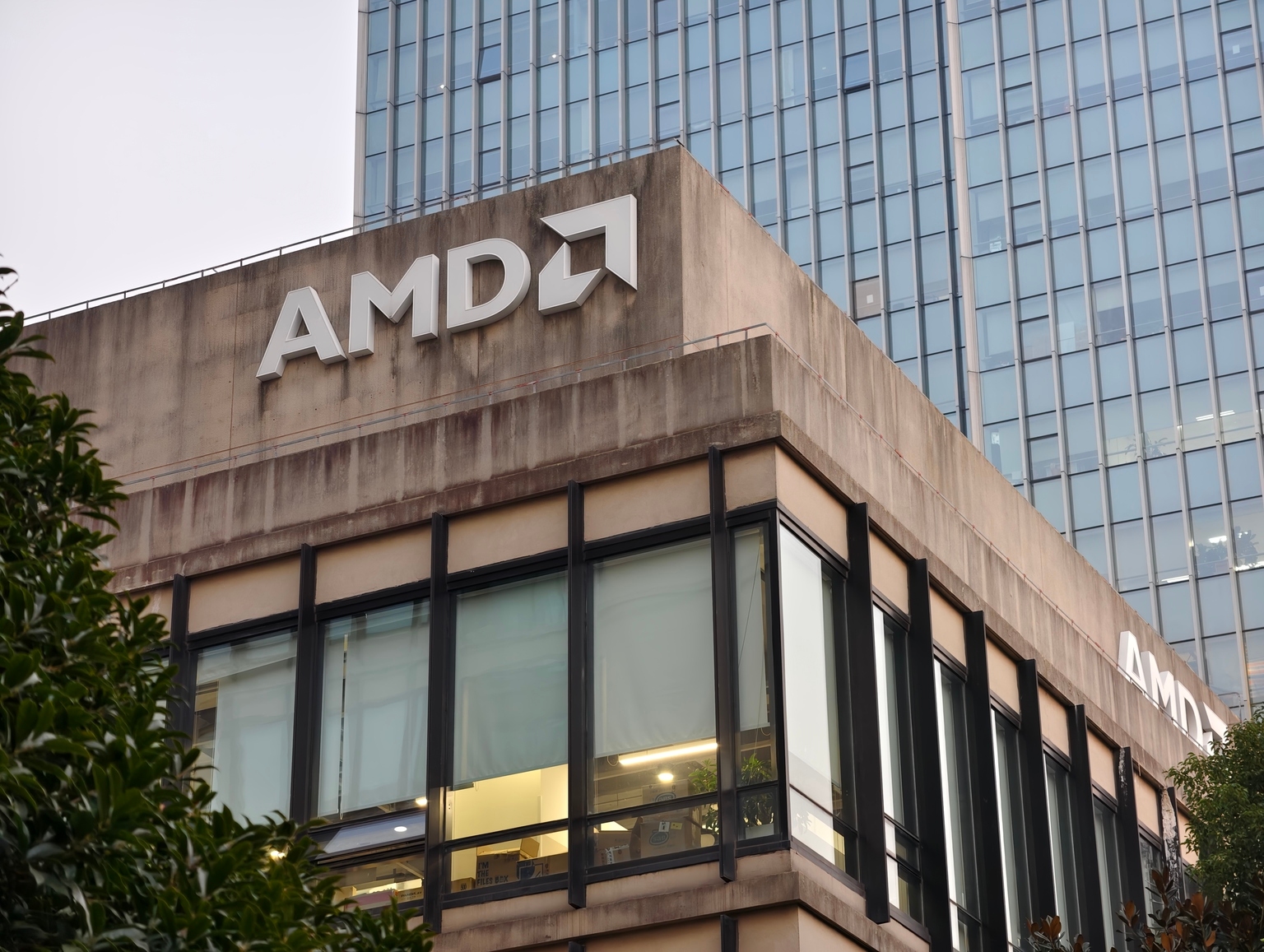
Advanced Micro Devices has transitioned from a cyclical semiconductor challenger to a structural fixture in the artificial intelligence infrastructure landscape. The company is now widely recognized as the primary alternative to the dominant market leader, marking a significant shift in how institutional capital evaluates its role in the data center ecosystem. This evolution is driven by consistent growth in its data center segment and the ongoing maturation of its software ecosystem.
Strategic Expansion in Data Center Infrastructure
The narrative surrounding the company has shifted toward its ability to capture secondary market share in the high-performance computing space. By scaling its GPU offerings and refining its ROCm software platform, the company has created a viable path for enterprise clients seeking to diversify their hardware procurement away from a single-source dependency. This strategy addresses the immediate supply constraints faced by the broader industry while positioning the firm to benefit from the sustained capital expenditure cycles of major cloud service providers.
Growth in the data center segment remains the primary catalyst for the stock, as the company balances its traditional CPU business with the aggressive expansion of its AI-focused hardware. The following factors define the current operational trajectory:
- Accelerated deployment of next-generation GPU architectures within hyperscale environments.
- Increased software compatibility and developer adoption of the ROCm ecosystem.
- Sustained demand for server CPUs that support high-density AI workloads.
Valuation and Competitive Positioning
As the company scales its AI infrastructure, the market is recalibrating its valuation models to account for the higher margins associated with data center hardware. While the company faces intense competition, its ability to maintain a consistent cadence of product releases has provided a level of predictability that was previously absent during its more cyclical phases. Investors are increasingly focused on the sustainability of these revenue streams as the company moves deeper into the enterprise AI market.
AlphaScala data currently assigns AMD an Alpha Score of 59/100, reflecting a moderate outlook as the company navigates the transition toward a more software-integrated business model. This score contrasts with NVDA, which holds an Alpha Score of 70/100, illustrating the distinct market positioning between the two firms. The divergence in these scores highlights the current market sentiment regarding scale and incumbent advantage in the AI sector.
The Path Toward Sustained Scaling
The next concrete marker for the company will be the performance of its latest hardware iterations in large-scale production environments. Success in these deployments will determine whether the company can maintain its current growth trajectory or if it will face headwinds from the rapid pace of technological obsolescence in the semiconductor industry. Investors should monitor upcoming guidance updates and data center revenue disclosures to gauge the effectiveness of the current hardware and software integration strategy. The ability to demonstrate consistent margin expansion while scaling production will be the primary indicator of long-term viability in this competitive landscape.