Stocks● Neutral
Alt Capital Takes Dkhoni Stake Ahead of Planned IPO
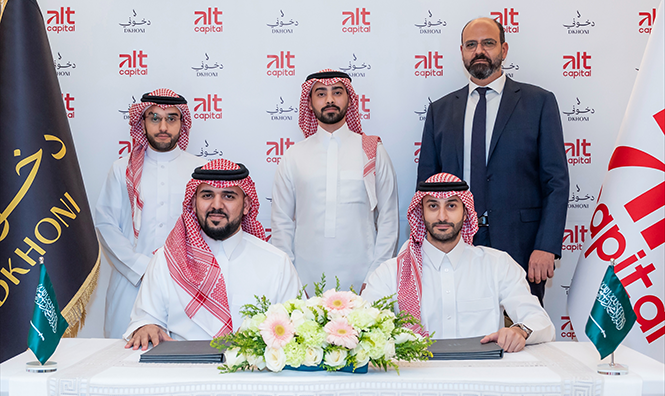
Alt Capital has acquired a minority stake in Dkhoni, signaling a move toward an IPO. The partnership aims to professionalize operations for public listing.
Continue with
Alt Capital, a private equity firm regulated by the Capital Market Authority, has acquired a significant minority stake in the fragrance and incense retailer Dkhoni. This investment marks a strategic pivot for the retailer as it prepares for a transition into the public markets. By securing institutional backing from a CMA-regulated entity, Dkhoni is positioning itself to meet the rigorous governance and transparency standards required for an initial public offering.
Institutional Validation and Governance Shifts
The entry of Alt Capital into Dkhoni’s capital structure serves as a mechanism for institutionalizing the retailer’s operations. Private equity firms in the Saudi market often act as catalysts for professionalizing family-owned or founder-led businesses before they reach the exchange. For Dkhoni, this means the implementation of more robust financial reporting, audit controls, and strategic oversight. Investors should view this as a signal that the company is actively moving away from private management structures toward the requirements of a listed entity.
This partnership is not merely about capital infusion. It provides Dkhoni with the institutional credibility necessary to attract broader interest from underwriters and institutional investors. The involvement of a CMA-regulated firm suggests that the groundwork for regulatory compliance is already underway. This is a critical step for any stock market analysis regarding the company's future valuation, as the transition from private to public requires a verifiable track record of growth and operational discipline.