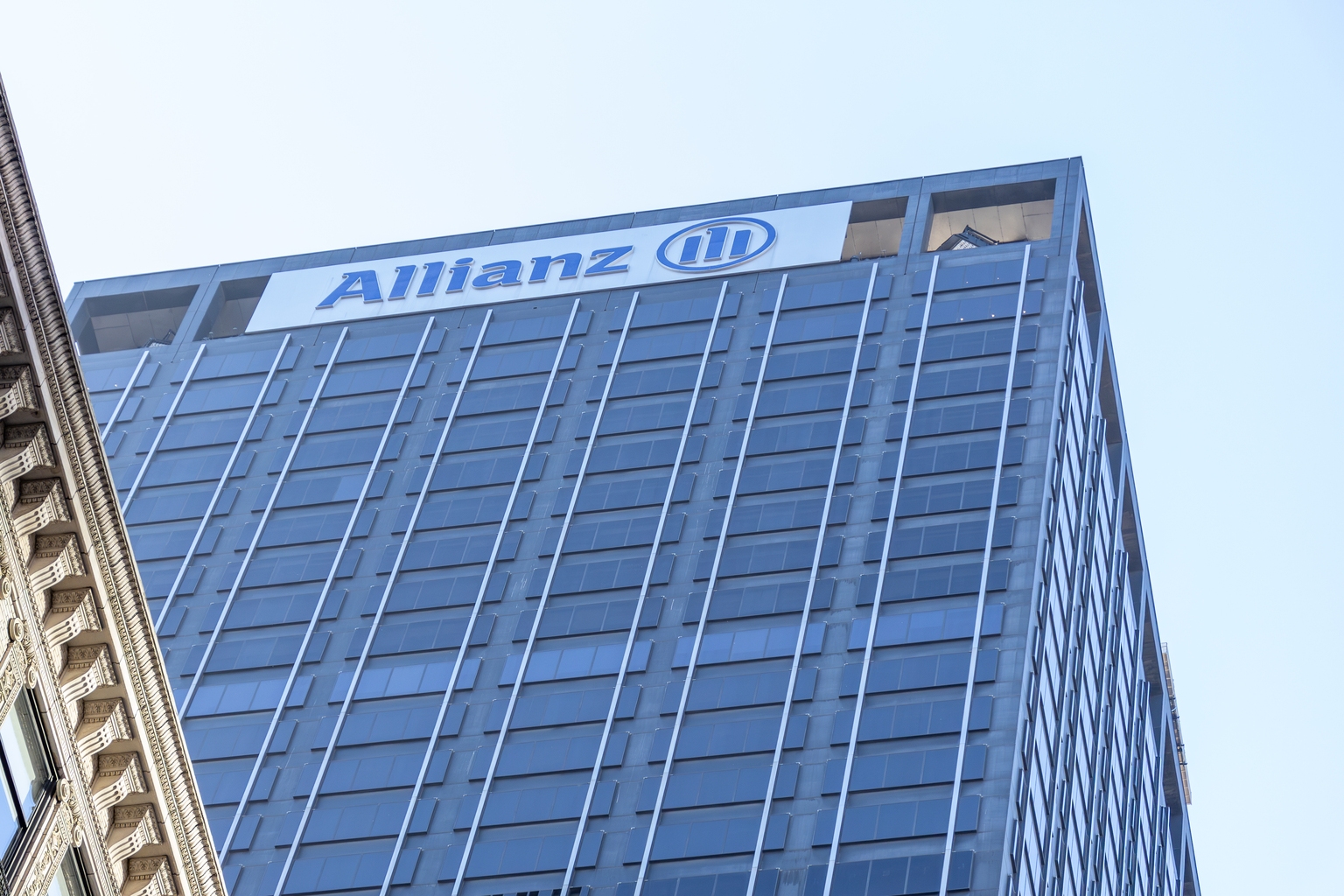
Allianz SE (ALIZY) faces a Hold rating and a €280 price target, reflecting a view that near-term risks outweigh the potential upside. The call centers on property and casualty headwinds, insolvency exposure, and guidance that may prove optimistic. For traders tracking the name, the setup demands a closer look at the specific pressure points that could drive the next leg lower.
P&C Headwinds Squeeze Underwriting Margins
The property and casualty segment, a core earnings driver for Allianz, is navigating a tough claims environment. Inflation in repair costs, higher reinsurance pricing, and an active catastrophe season are compressing underwriting margins. The combined ratio, which measures claims and expenses as a percentage of premiums, is under pressure. A ratio above 100% signals an underwriting loss. Allianz has historically managed this metric well. The current cycle is testing that resilience.
Reinsurance costs have risen sharply after years of heavy natural catastrophe losses industry-wide. Primary insurers like Allianz are retaining more risk or paying up for coverage, both of which eat into profitability. At the same time, supply-chain disruptions and labor shortages are pushing up the cost of auto and property repairs. These trends are not unique to Allianz, yet they arrive at a moment when the stock’s valuation leaves little room for error.
Insolvency Risk Hits Trade Credit Insurance
Insolvency risks add another layer of uncertainty. Allianz’s trade credit insurance unit protects suppliers against customer defaults. Rising corporate insolvencies, particularly in Europe, could trigger higher claims. The economic slowdown and tighter financing conditions are increasing default probabilities. This line of business is cyclical, and a turn in the credit cycle would directly hit Allianz’s earnings.
Trade credit insurance is a specialty line that performed well during the pandemic-era support measures. As those supports fade and interest rates bite, the claims environment is normalizing rapidly. Allianz’s exposure here is material enough to move the needle on group earnings if loss ratios spike. The Hold call explicitly flags this as a risk that is not yet fully discounted by the market.
Guidance and the €280 Price Target
Management’s full-year guidance may not fully account for these headwinds. The €280 price target implies a cautious stance, suggesting that the stock is already pricing in a best-case scenario. Any disappointment on claims or credit losses could lead to a re-rating. The Hold call reflects a wait-and-see approach until there is more clarity on loss trends.
From a valuation perspective, Allianz shares trade at a premium to some European insurance peers. The Hold rating indicates that the risk-reward is balanced at best. Without a clear catalyst for upward revision, the stock may struggle to break above the target. The dividend yield provides some support, yet it is not enough to offset the downside risks if earnings disappoint.
Next Catalyst: Q2 Claims and Guidance Update
The next concrete marker is the second-quarter earnings report. Investors will scrutinize the P&C combined ratio and any uptick in credit insurance claims. A worse-than-expected loss ratio could force a guidance cut and pressure the shares. A clean quarter, conversely, would challenge the Hold thesis and could push the stock toward the €280 target. Until that data arrives, the risks continue to outweigh the upside.