Stocks● Neutral
Alibaug Land Values May Rise 3x: Supply Scarcity Drives Premium
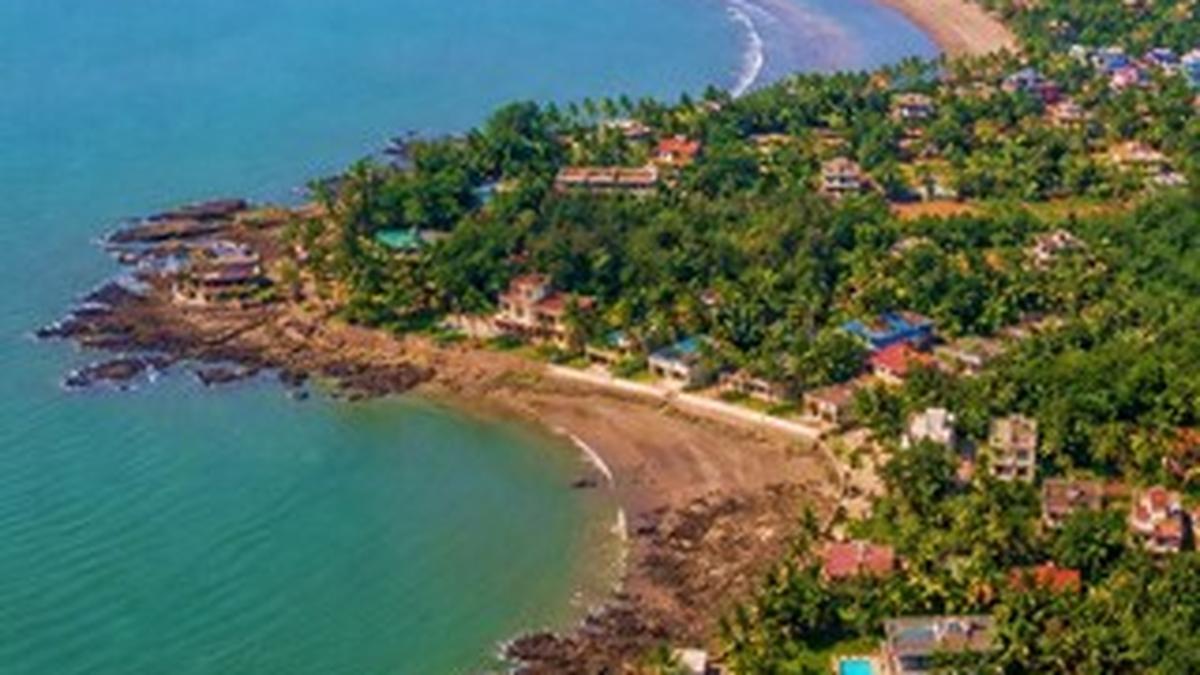
Liases Foras projects 3x-3.5x land appreciation in Alibaug over five years. Structural supply scarcity, not just infrastructure, drives the premium. Micro-market breakdown and investor decision points inside.
Continue with
A new report from Liases Foras, an independent real estate research firm, positions Alibaug as the Mumbai Metropolitan Region’s (MMR) most promising coastal investment corridor. The report, released May 29, 2026, projects land values in Alibaug will appreciate 3x to 3.5x over the next five to six years. Premium villa prices are expected to rise 2x to 2.5x during the same period.
The simple read points to large-scale infrastructure upgrades, rising tourism demand, and increasing second-home ownership. That narrative already shows up in developer marketing and broker chatter. The better read for an investor focuses on the supply side. Infrastructure growth is not creating new land supply. It is making an already scarce coastal market more accessible. With developable land severely restricted and buyer demand rising, the imbalance is expected to drive stronger long-term price appreciation compared to markets where supply can expand freely.
This article breaks down the report’s key findings, the micro-market pricing gradient, the supply constraint that matters most, and the decision points for investors choosing between land banking and villa ownership.
The Infrastructure Paradox: More Access, Not More Land
Why Scarcity Outweighs Connectivity
The report’s central insight is structural. The Arabian Sea bounds Alibaug on one side. Protected forest and eco-sensitive zones constrain expansion on the other. A limited road network funnels all traffic through a few chokepoints. Infrastructure spending widens the funnel but does not increase the number of buildable plots. Every new road or jetty upgrade magnifies demand pressure on a fixed land base.
Liases Foras states directly: “Alibaug’s infrastructure growth is not creating new land supply. It is simply making an already scarce coastal market significantly more accessible. With developable land severely restricted and buyer demand continuing to rise, this imbalance is expected to drive stronger long-term price appreciation compared to markets where supply can expand more freely.”
This quote is the single most important piece of analysis for anyone building a real estate watchlist. Most coastal markets in India face some supply constraints. Alibaug’s constraint is structural and unlikely to ease.
The Four Micro-Markets: A Scarcity Gradient
North Alibaug Commands the Highest Premium
North Alibaug commands the highest property values because of its proximity to the Mandwa Jetty and superior road infrastructure. This micro-market is the preferred choice for luxury villa buyers. Prices reflect both convenience and scarcity – developable parcels close to the jetty are finite, and new infrastructure only intensifies competition for those parcels.
Central and South Alibaug: Moderate Prices, Moderate Connectivity
Prices moderate progressively toward Central and South Alibaug as connectivity weakens. These areas still benefit from demand spillover from the north. The pricing gap is driven by travel time to Mumbai. Investors targeting these zones are betting that future road upgrades will compress that gap.