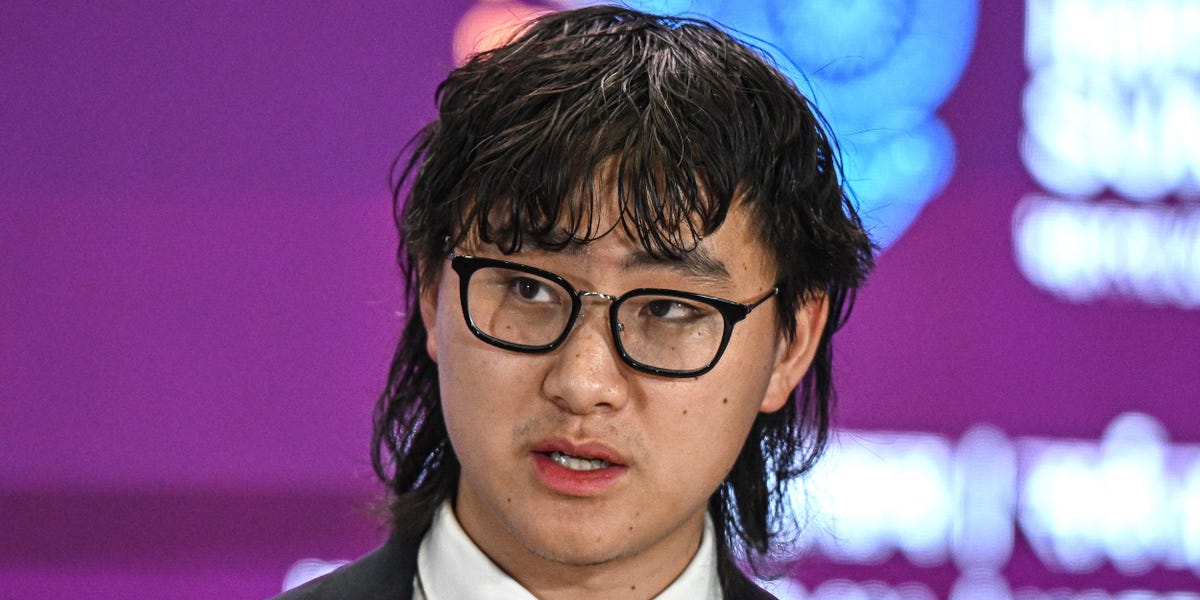
Alexandr Wang, Meta Platforms' AI chief, publicly rejected the depiction of the company's AI researchers as mercenaries, calling the characterization "unfair" in a recent statement. The comment directly targets a narrative that took root after Meta deployed oversized compensation packages to poach top AI scientists from rivals such as Google and OpenAI.
The simple read is that Meta bought talent with cash, and those hires will leave when a bigger offer arrives. The better market read: Wang's rebuttal is a deliberate effort to signal that Meta's AI division is held together by more than money. That signal matters for retention risk and the premium the stock commands.
The Mercenary Narrative Started with Meta's Own Offers
Meta's aggressive hiring tactics during the AI talent war made headlines. Multi-million-dollar offers created the perception that the company was assembling a team of high-cost specialists who could be easily lured away. Wang's public pushback is an attempt to reset that story from inside the organization.
- The mercenary label traces back to Meta's own aggressive offers, which set a precedent for compensation-driven moves.
- Wang's statement that it is "unfair" to reduce the team's motives to money alone aims to reinforce a mission-driven culture.
- A purely financial motivation raises the probability that richer offers from rivals could trigger an exodus of critical researchers.
- Meta's AI pipeline, including the upcoming Llama 4 model, depends on retaining these scientists through the next product cycle.
By rejecting the label, Wang is defending the durability of Meta's AI workforce. His position as the executive responsible for keeping talent productive gives the rebuttal weight internally. A stable team is the foundation for delivering the ambitious generative AI features Meta has promised across its family of apps.
Talent Stability Determines META's AI Pipeline Durability
In the hyper-competitive AI landscape, talent retention is as critical as compute access or model architecture. A market perception that Meta's researchers are financially motivated means any shift in compensation trends could be read as a vulnerability. Wang's defense aims to lower that perceived risk, reinforcing the idea that the team is bound by a shared mission.
This is not a near-term earnings driver. It feeds directly into the longer-term valuation premium that META commands as an AI frontrunner. A stable, motivated team is essential for delivering the product roadmap that underpins analyst estimates for future revenue from AI-powered tools.
On the day of the statement, META shares rose 2.09% to $615.61, outpacing the broader market. AlphaScala's proprietary Alpha Score for META registers 56 out of 100, a Moderate reading that suggests the stock's risk-reward is balanced at current levels. The talent narrative, while intangible, sits alongside more quantifiable drivers like ad revenue growth and capital expenditure efficiency in shaping the stock's trajectory.
Any high-profile departure would undercut the mission-driven story and could pressure the AI premium baked into META's valuation. A solid retention record through the next product milestones would validate Wang's stance and support the view that Meta's AI moat extends beyond its checkbook.
The rollout of Llama 4 and the deeper integration of generative AI across Facebook, Instagram, and WhatsApp are milestones that demand a cohesive team. Researcher exits during this window would contradict Wang's narrative and signal that the mercenary dynamic is real. The opposite outcome leaves Meta better positioned to compete with rivals that are also fighting for a limited pool of elite AI talent. That retention data will arrive not in quarterly filings but through the steady drumbeat of product launches and model releases, making each one a stress test for the story Wang is now publicly defending.