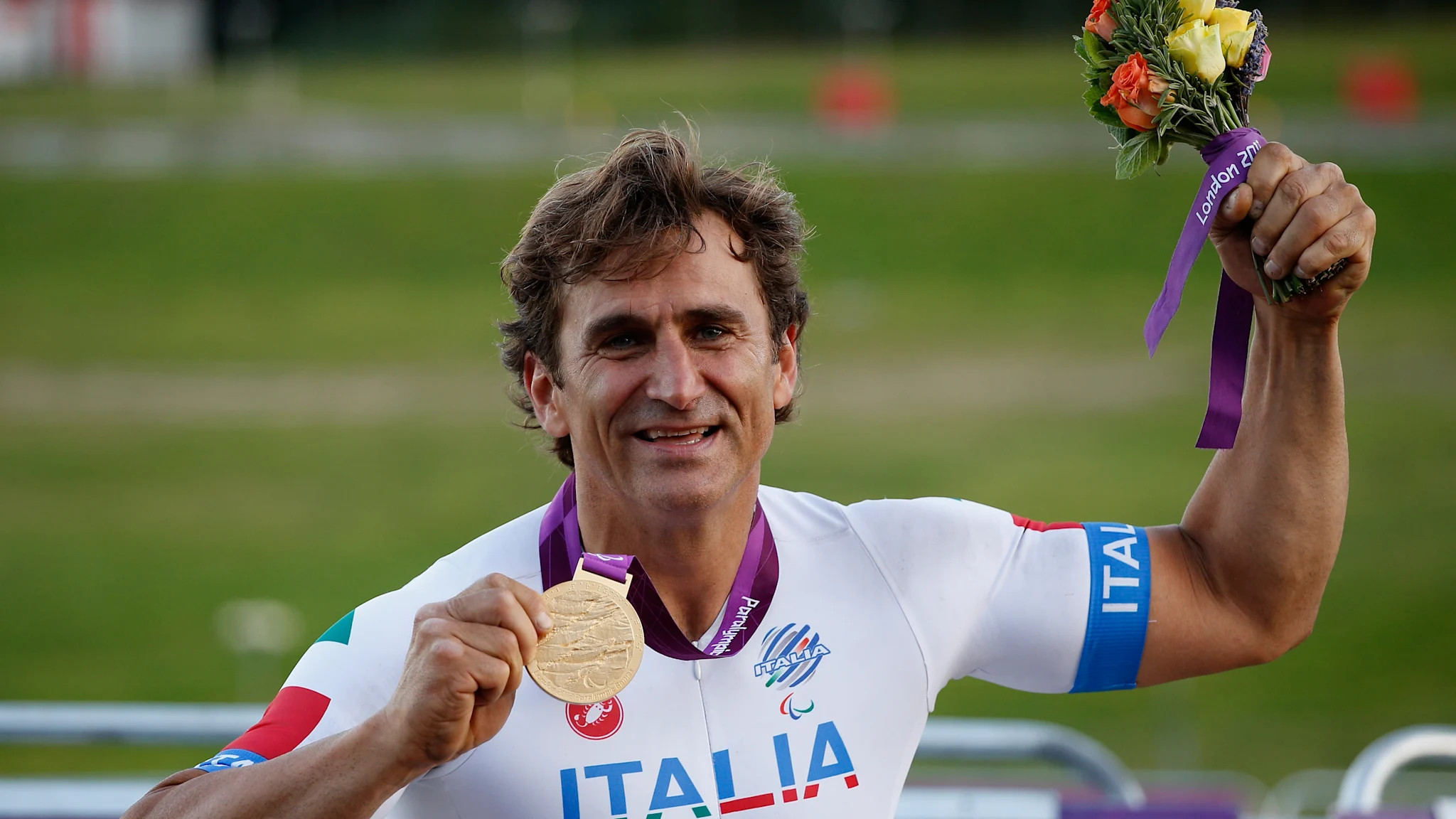
Alex Zanardi, the former F1 driver and Paralympic champion, has died at 59. His transition from motorsport to handcycling redefined athletic resilience.
The passing of Alex Zanardi at the age of 59 marks the end of a career defined by both high-speed competition and profound personal recovery. Known for his tenure in Formula 1 and his subsequent transition to Paralympic success, Zanardi remains a singular figure in the history of international sports. His journey from the paddocks of elite motor racing to the podiums of handcycling events established a narrative of endurance that transcended traditional athletic boundaries.
Zanardi competed in Formula 1 during the 1990s, driving for teams including Jordan, Lotus, and Williams. His time in the sport was characterized by a relentless pursuit of performance, though his most significant impact on the public consciousness occurred after he suffered life-altering injuries in a 2001 crash. Rather than retreating from the spotlight, he adapted his competitive drive to handcycling, eventually securing multiple gold medals at the Paralympic Games.
This shift in focus allowed Zanardi to redefine his professional identity. By applying the same technical precision and mental discipline required for motorsport to his new discipline, he demonstrated that the skills honed in professional racing could be repurposed in the face of physical adversity. His ability to maintain a public profile while navigating the complexities of his recovery provided a template for athletes facing career-ending injuries.
The loss of Zanardi resonates across both the automotive and Paralympic communities. His life serves as a case study in how individuals manage the intersection of professional ambition and personal tragedy. While many athletes struggle to find a secondary purpose after leaving their primary sport, Zanardi utilized his platform to advocate for accessibility and adaptive sports, influencing how organizations approach the inclusion of disabled athletes in mainstream events.
His career trajectory offers a perspective on the longevity of personal brands in sports. Unlike many figures who fade from relevance upon retirement, Zanardi remained a fixture in global media through his consistent performance and public engagement. This sustained visibility is a rarity in professional sports, where the shelf life of an athlete is often dictated by physical peak performance.
As the sporting world reflects on his contributions, the focus shifts to the infrastructure supporting adaptive athletes. The path Zanardi carved has lowered barriers for those entering the Paralympic circuit, though the integration of these athletes into broader commercial sponsorships remains a work in progress. Future developments in sports technology and media coverage will serve as the next marker for the legacy he left behind, as organizations continue to evaluate how they support and promote athletes who overcome significant physical hurdles. For those interested in the broader evolution of athletic performance and market influence, further stock market analysis provides context on how sports organizations are currently valuing these diverse athlete narratives.
AI-drafted from named sources and checked against AlphaScala publishing rules before release. Direct quotes must match source text, low-information tables are removed, and thinner or higher-risk stories can be held for manual review.