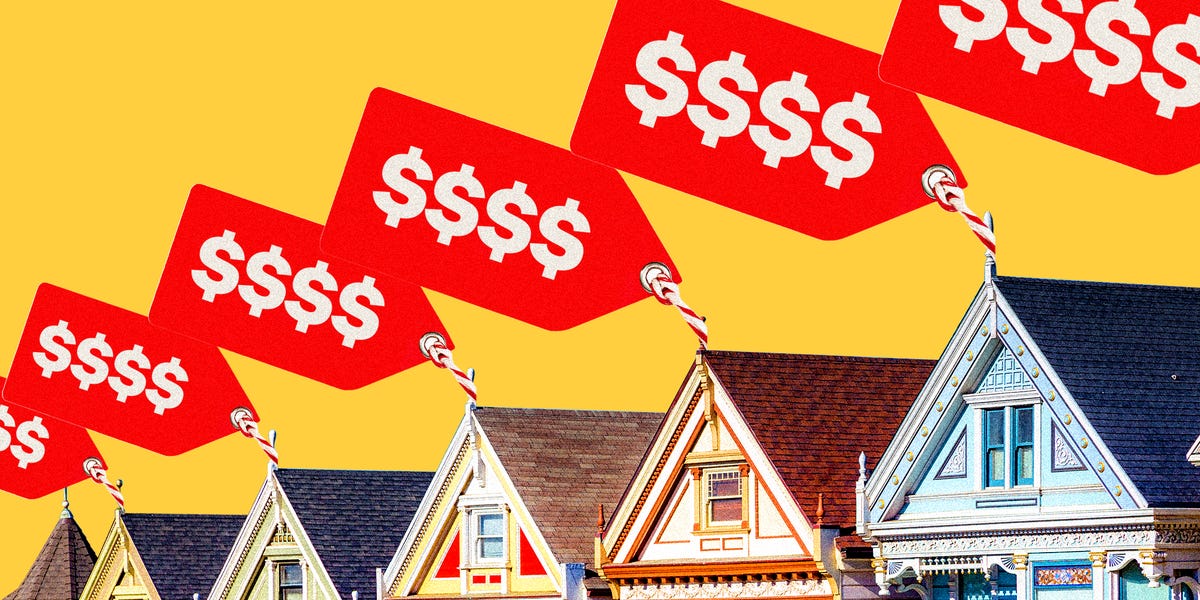
A late-January bidding war on a San Francisco home signaled more than a seasonal uptick. Bill Law, a longtime tech worker, made an offer and found himself in a multiple-bid situation that had been rare in the city since 2022. The source of the cash was the difference.
The Mechanism Behind the Bidding Wars
Overnight AI fortunes, multimillion-dollar offers, and a pipeline of looming IPOs are driving the shift. San Francisco real estate, which spent years in a post-pandemic slump, is seeing sustained demand from buyers tied to the AI industry. The simple read is that tech workers with large salaries are buying homes. The better market read involves secondary market liquidity.
Many private AI companies now allow employees to sell equity in tender offers or secondary trades. Those payouts create immediate, lump-sum cash that goes directly into home purchases. This differs from the stock-option wealth of the 2013–2021 cycle, which required an IPO or acquisition to materialize. Now liquidity arrives before the public listing, compressing the timeline from wealth creation to real estate demand.
Why Traditional Income Metrics Miss the Point
W-2 income alone cannot explain the bidding wars on homes priced above $3 million. The actual driver is private-company distributions. These distributions are lumpy and tied to funding rounds or secondary sales, not to quarterly earnings. That makes the demand spike harder to predict and more concentrated in specific neighborhoods such as Pacific Heights, Noe Valley, and Hayes Valley.
Zillow (ZG) and Redfin (RDFN) are the public proxies most likely to reflect this trend. Their data already shows a tightening in San Francisco inventory and an increase in homes selling above ask. If the AI IPO pipeline stays active, these companies will see transaction volumes rise. The effect, however, is tied to the number and size of liquidity events, not to a broad recovery.
The Next Catalyst: IPO Timing and Secondary Markets
The next decision point for this market is the batch of anticipated AI IPOs. Companies such as Databricks, OpenAI, and others are reportedly preparing for public listings. Each IPO creates a new wave of cash for employees and early investors, some of whom are based in the Bay Area. The timing of these offerings will determine whether the current price momentum holds.
The risk is that the liquidity is front-loaded. If secondary markets tighten or if IPO timelines slip, the demand surge could stall. The Federal Reserve rate path also matters: higher rates raise mortgage costs and cap how much buyers can borrow. In a cash-heavy buying pool, financing constraints matter less than the size of the next distribution round.
For traders watching this story, the lead indicators are the number of San Francisco homes selling above list price and the volume of secondary-market trades in AI startups. Both are leading, not lagging, signals. The housing market is no longer a lagging indicator of tech wealth. It is now a real-time proxy for private-company liquidity.
The late-January bidding war was not an anomaly. It was the first visible sign of a structural shift in how tech wealth flows into hard assets. The next IPO filing could accelerate the trend. The setup works only as long as secondary-market exits stay open.
For related context, see our coverage of Why Berkshire's $325B Cash Pile Is a Risk to Watch and Alphabet's $80B Sale Puts Bank Syndicate Desks to Test.