Stocks● Neutral
Admiral Founder Engelhardt to Judge Pitch360 at Wales Fintech Festival
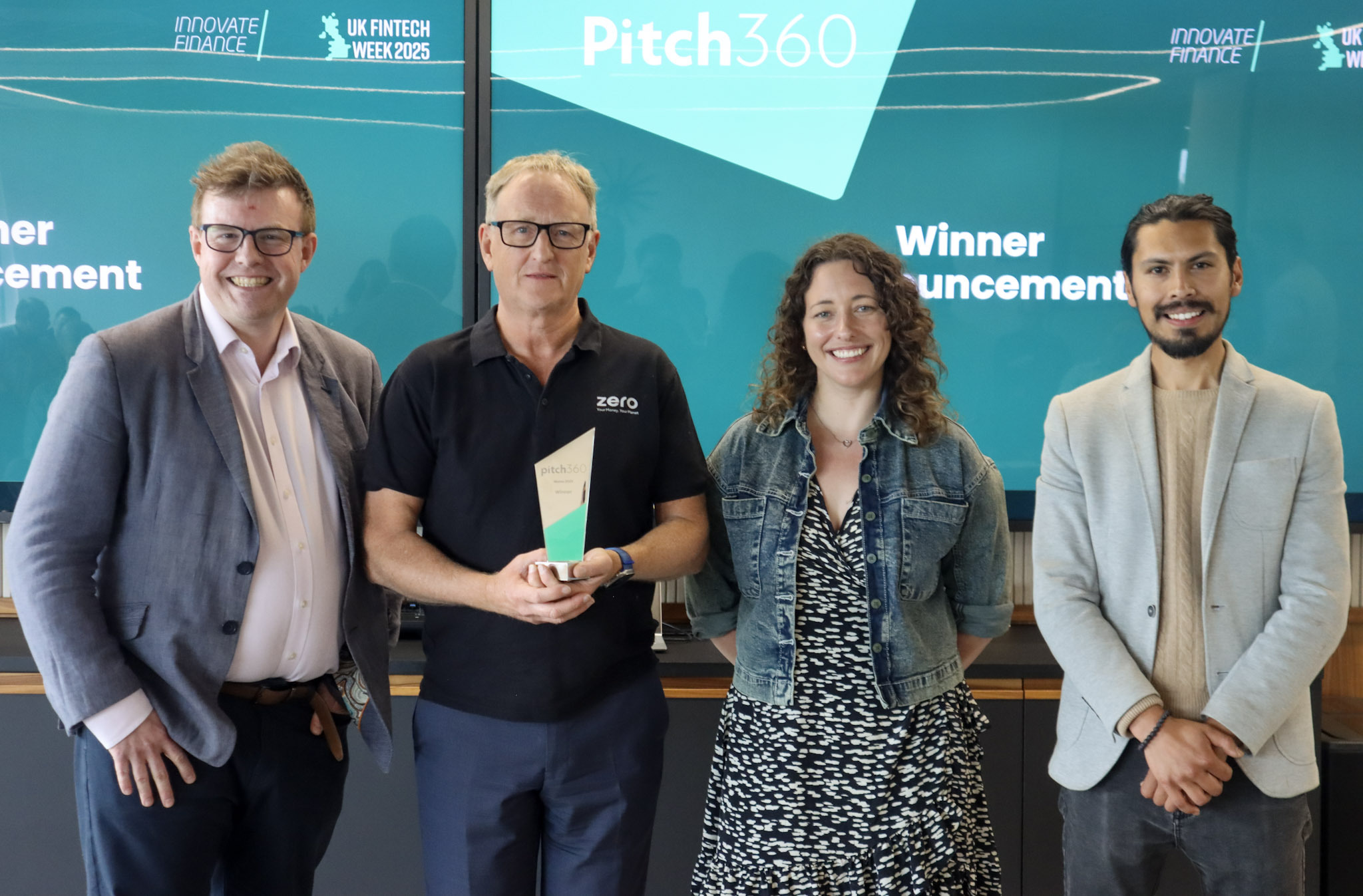
Henry Engelhardt joins Pitch360 judging panel at Wales Fintech Festival. The event signals growing institutional attention on the Welsh fintech cluster, now with over 200 members in FinTech Wales.
Continue with
The debut Wales Fintech Festival is not a quarterly earnings call. For investors tracking regional UK financial technology clusters, the event carries a signal worth parsing. The festival’s Pitch360 competition has secured Admiral Group founder Henry Engelhardt as a judge. His presence shifts the narrative around the Welsh fintech ecosystem from a peripheral story to a node with direct access to scaled financial services experience.
For traders and allocators, the question is less about the event itself and more about what it reveals about deal flow, talent concentration, and institutional attention in a corner of the UK that has historically sat in London’s shadow. Engelhardt’s willingness to lend time and reputation suggests that the cluster has crossed a threshold of credibility.
Engelhardt’s Judging Role and the Credibility Signal
Engelhardt built Admiral Group from a Cardiff startup into a FTSE 100 insurance powerhouse. His involvement in Pitch360 is not ceremonial. He will evaluate finalists on stage, applying a framework shaped by building a business from zero to public markets.
For an investor evaluating early-stage fintech in Wales, Engelhardt’s presence reduces information asymmetry. A founder who passes his vetting on stage gains a reference point that can shorten due diligence cycles. The risk to watch is whether the event becomes a one-off spotlight or a recurring pipeline. FinTech Wales has over 200 members – that base is the real asset.
The Judging Panel and Network Density
Engelhardt is joined by a multi-disciplinary panel that spans venture capital, banking, and policy. Each judge brings a distinct lens:
- Michelle You – Co-founder of Songkick and a fintech angel investor
- Graham Pearce – Former CEO of Delio, a fintech platform
- Rhydian Lewis – Founder of RateSetter, a peer-to-peer lending pioneer
- Sarah Kocianski – Independent fintech strategist and former FinTech Wales board member
- Alex Letts – Founder of Ffrees, a digital family finance app
This is not a generic panel. Every name has operational or investment experience in financial services startups. The density matters: pitch events with deep panels tend to produce more follow-on funding because judges often become investors themselves.
Pitch360 Mechanics: What Finalists Actually Gain
The competition is structured as a live showcase, not a closed-room session. Finalists present in front of decision-makers who can directly influence their funding and growth trajectory. The winner receives a support package that includes:
- One-year complimentary Innovate Finance membership
- An official speaking slot and tickets for Innovate Finance Global Summit (IFGS) 2027
- Direct one-to-one investor matchmaking
- A dedicated multi-channel marketing campaign
The IFGS slot is the most tangible asset. Innovate Finance is the UK’s leading fintech trade body. The 2027 summit will draw institutional investors and corporate partners. A speaking slot there is effectively a pre-vetted introduction to the London capital ecosystem.