Stocks● Neutral
Adani Overhang Eases as US Charges Dropped
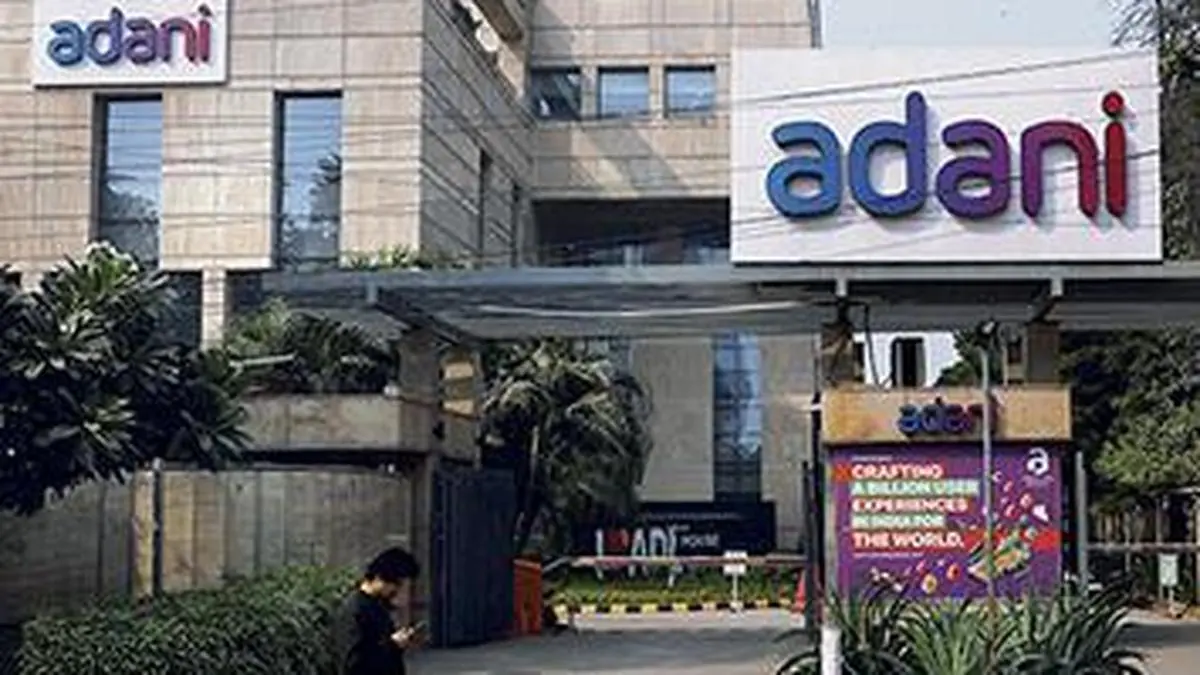
Bernstein says SEC settlement and dropped DoJ charges remove key barrier for Adani stocks. Execution is strong, but net debt-to-EBITDA rose to 3.9x. Watch for foreign flow re-entry.
Continue with
The regulatory cloud that has kept many global funds away from the Adani Group is lifting. Bernstein issued a report covering four listed entities – Adani Ports and Special Economic Zone (ADANIPORTS), Adani Green Energy (ADANIGREEN), Adani Power (ADANIPOWER), and Ambuja Cements (AMBUJACEM) – and said the twin overhangs from the 2023 short-seller episode and the 2024 US regulatory proceedings appear resolved. The brokerage argued that execution strength remains intact and that foreign funding could now revive.
This is a risk event watch for anyone holding or considering exposure to Adani stocks, dollar-denominated bonds, or infrastructure-linked Indian equities. The shift is not merely a sentiment bump. It changes the probability of capital inflows, funding costs, and relative valuation.
The Two Overhangs: Hindenburg and US Regulatory Actions
The first shock came in January 2023 when Hindenburg Research published allegations of stock manipulation, improper offshore tax structures, and accounting irregularities. The report triggered a selloff that erased billions in market capitalisation and deepened concerns about leverage and promoter pledges.
The second overhang started in November 2024 when the US Department of Justice and the Securities and Exchange Commission initiated proceedings related to disclosures and fundraising practices by Adani entities. That froze many foreign fund allocation decisions. Bernstein noted that most Adani stocks remain "under-owned" despite strong operational performance.
The Easing Event
Earlier this month, a settlement on the SEC matter was reached, and US prosecutors moved to drop charges against the group. Bernstein characterized this as removal of the last major barrier.
"The group has gone through two big events in the last 4 years – the short seller event in January 2023 and US SEC-DoJ related developments starting November 2024. With the latest news from the US, both seem to be behind."
Key insight: The combination of SEC settlement and dropped charges shifts the risk from a binary legal outcome to execution and leverage monitoring. That is a different, and often tradeable, category.
Exposure: Which Adani Entities Benefit
Affected assets break into three layers:
- Listed equities – ADANIPORTS, ADANIGREEN, ADANIPOWER, AMBUJACEM. Many still trade below pre-Hindenburg levels despite partial recovery.
- Dollar-denominated bonds – Bond yields on Adani paper have eased and now trade below Indian five-year government bond yields, signalling reduced credit risk premium.
- Infrastructure and logistics sector exposure – Adani controls roughly 50% of India’s container port market. Funds tracking Indian infrastructure or industrial themes have implicit exposure.
Under-Owned Stocks as a Catalyst
Bernstein’s phrasing is direct: most Adani stocks remain under-owned because institutional investors waited for US clarity. Now that the clarity has arrived, the natural flow is re-allocation. The magnitude of the re-rating depends on how quickly foreign funds update their compliance filters and investment committee mandates.
Timeline: Confirmation and Risk Markers
The next 12 months contain several confirmation markers:
- No adverse US filings – If the DoJ drop is final and no new charges emerge, the regulatory overhang stays closed.
- Dollar funding restart – Bernstein highlighted that access to dollar funding, which slowed after the November 2024 proceedings, could improve. If Adani entities issue dollar bonds at tighter spreads, that is a concrete signal.
- SEBI investigation closure – India’s market regulator told the Supreme Court that most probes are complete with no evidence warranting licence cancellation. A clean closure would remove residual domestic uncertainty.
What Would Weaken the Thesis
- New regulatory actions by Indian or other jurisdictions.
- Debt ratios drifting higher without earnings catch-up. The group’s net debt-to-EBITDA ratio has risen from 2.7x (during the US proceedings trough) to 3.9x as of March 2026, driven by aggressive capex at Adani Green and unlisted entities. Bernstein said the ratio remains below the peak seen in the 2023 selloff. Further increases without offsetting EBITDA growth would refocus attention on leverage.
- Execution stumbles in large infrastructure projects. Bernstein credited the group’s execution prowess as a core strength. Any major delay or cost overrun at a flagship port or renewable plant would reignite governance debates.