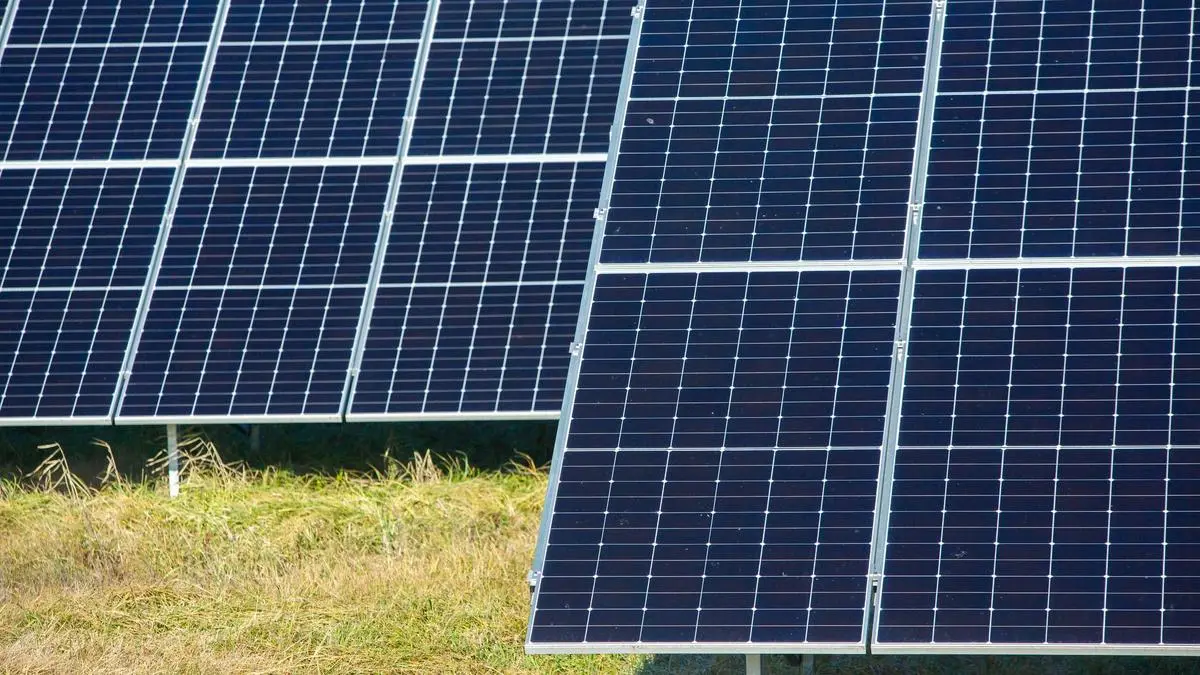
ACME Solar Holdings Limited confirmed the operational status of 2 GWh of Battery Energy Storage System capacity within the Rajasthan region this week. This deployment marks a shift in the company's infrastructure profile, moving from pure generation assets toward integrated storage solutions. The stock responded with a 1.65 percent increase following the announcement.
Operational Scale and Grid Integration
The activation of 2 GWh of storage capacity serves as a critical test for the company's ability to manage intermittent renewable energy loads. By scaling storage in Rajasthan, ACME Solar is positioning itself to address the supply volatility that often characterizes large-scale solar projects. This capacity allows the firm to shift energy delivery to peak hours, potentially altering the revenue model for its existing solar portfolio.
Integrating storage at this scale requires sophisticated grid management and regulatory compliance. The company now faces the challenge of maintaining high uptime for these batteries while managing the degradation cycles inherent in large-scale storage hardware. Success in this operational phase will determine whether the company can replicate this model in other high-irradiation regions.
Strategic Implications for Renewable Infrastructure
The transition toward storage-heavy portfolios reflects a broader trend in the utility-scale energy sector. As grid operators demand more dispatchable power, companies that can pair generation with storage are likely to secure more favorable long-term contracts. This milestone suggests that ACME Solar is prioritizing the following operational objectives:
- Optimization of discharge cycles to match regional peak demand periods.
- Reduction of curtailment risks for its Rajasthan solar assets.
- Demonstration of technical readiness for future utility-scale tenders.
This shift in asset composition is significant for investors evaluating the company's long-term capital expenditure requirements. While storage adds complexity to the balance sheet, it also provides a hedge against the price volatility often seen in the merchant power market. The ability to store energy effectively transforms the company from a commodity power producer into a more flexible grid participant.
AlphaScala Data and Market Context
In the broader technology and industrial landscape, companies like ON Semiconductor Corporation (ON stock page) continue to navigate the intersection of power management and hardware efficiency. With an Alpha Score of 45/100, ON remains a point of comparison for firms managing the semiconductor-heavy infrastructure required for modern energy storage systems. Investors interested in how large-scale industrial shifts impact valuation should review our stock market analysis for further sector-wide trends.
Moving forward, the primary marker for ACME Solar will be the performance data from these storage units over the next two fiscal quarters. Stakeholders should monitor subsequent filings for details on capacity utilization rates and the impact of these storage assets on the company's overall margin profile. The firm's ability to maintain these systems without significant maintenance cost overruns will be the next indicator of its operational maturity in the energy storage space.