A $120 Oil Spike: One-Year vs Three-Year Scenarios
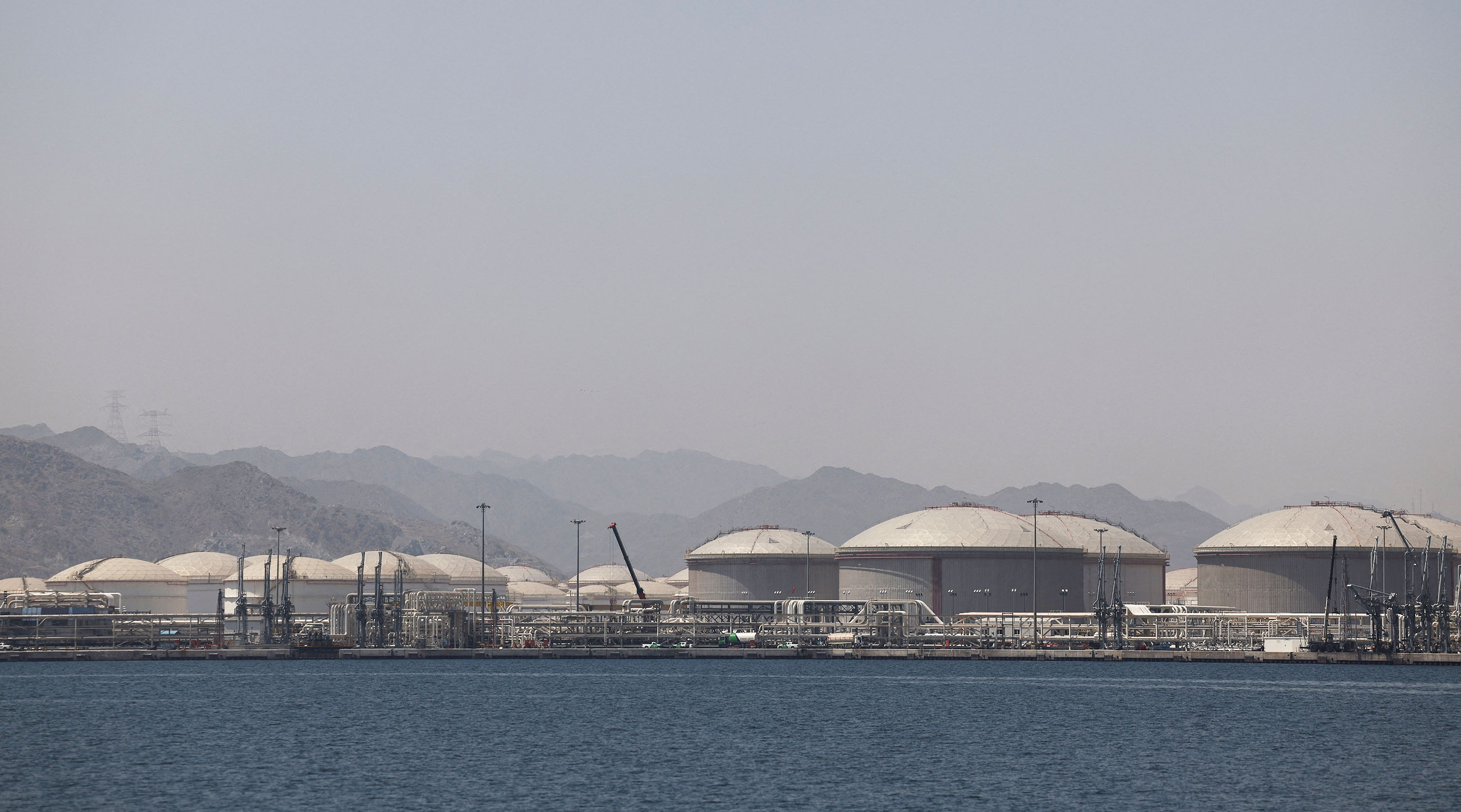
A new paper models two Middle East war scenarios: oil at $120 for one year or three. Learn why duration transforms the sector read-through and the trade implications.
A new analytical paper models the economic effects of a 2026 Middle East war that pushes energy prices sharply higher. The paper tests two scenarios: a one-year spike driving oil to $120 per barrel, with parallel jumps in liquefied natural gas, refined petroleum, and fertilizer; and a three-year elevation at similar price levels. For traders building a geopolitical watchlist, the paper's key contribution is a quantitative framework that forces a distinction most risk models ignore–whether the price move is transient or structural.
The One-Year Scenario: Tactical Energy Exposure
In the first scenario, oil reaches $120 per barrel for one year. That level implies a roughly 40-50% increase from mid-2025 prices, based on widely available market data. The paper also assumes LNG, refined petroleum, and fertilizer spike in sympathy. The mechanism is a Middle East conflict that disrupts a meaningful share of global oil production and transit, especially if the Strait of Hormuz is affected.
For the energy sector, a one-year spike lifts revenues directly for producers. The duration does not alter long-term capex plans materially; the spike is a cash-flow event, not a capital-allocation signal. Refiners face a margin squeeze if crude costs rise faster than product prices. Fertilizer producers, heavily dependent on natural gas feedstocks, see input costs surge. The read-through for portfolio construction is a tactical long in energy. A one-year spike justifies a trade, not a strategic overweight.
The Three-Year Regime: Structural Allocation Shift
The second scenario sustains $120 oil for three years. That duration transforms the shock from a cyclical spike into a structural regime. Energy companies would likely increase capex, accelerating drilling and LNG terminal construction. Central banks would face persistent CPI pressure, potentially keeping rates higher for longer. The three-year elevation also changes the calculus for energy-intensive sectors: airlines cannot hedge fuel costs at elevated levels indefinitely; chemical producers must reprice contracts.
A three-year regime justifies a strategic allocation to energy. The trade moves from tactical to core. It also implies a longer-term view on LNG infrastructure and energy security spending. The paper’s distinction is its most actionable insight: separate spike from regime when assessing geopolitical scenarios.
Practical rule: When a geopolitical scenario defines price levels beyond 12 months, treat it as a structural regime. A three-year elevated price justifies a sector overweight in energy and related infrastructure. A one-year spike calls for a tactical trade only.
Fertilizer and LNG: The Input-Chain Link
The paper explicitly includes LNG and fertilizer in the price shock. The mechanism for each is distinct:
- LNG spot prices spike when European and Asian buyers compete for cargoes redirected from the Middle East. U.S. LNG exporters with flexible short-term pricing benefit from the spot arbitrage.
- Fertilizer, particularly nitrogen-based products, depends on natural gas as a feedstock. A sustained gas price rise raises production costs for fertilizer plants globally, especially in Europe. Producers with access to low-cost gas – those in the U.S. or Russia – gain a relative cost advantage.
The read-through is that the input chain matters more than the headline oil number. Traders should monitor spreads between U.S. gas and international LNG benchmarks, and between European and U.S. fertilizer margins.
The Forward Curve as a Filter
The paper’s framework does not model a demand-destruction feedback loop. That is the next variable traders should track. If oil at $120 starts destroying demand quickly – as it did in 2008 – the spike may self-correct before reaching three years. The market’s behavior over the next 12 months will determine which scenario investors price.
The immediate catalyst is any escalation in Middle East tensions that moves oil futures for 2026 delivery. A break above $100 in forward contracts would signal the market is pricing the first scenario. A sustained premium in the 2027 strip would indicate the second. Until that happens, the paper serves as a framework, not a call to action. Traders who use the two-scenario model now have a concrete price target and timeline to test against real-world developments.
Drafted by a large language model from the source reporting linked above, then screened by automated publishing checks. It is not read by a journalist before publication. Some articles cite our Alpha Score. Verify prices and figures against the original source. Educational coverage, not personalized advice.