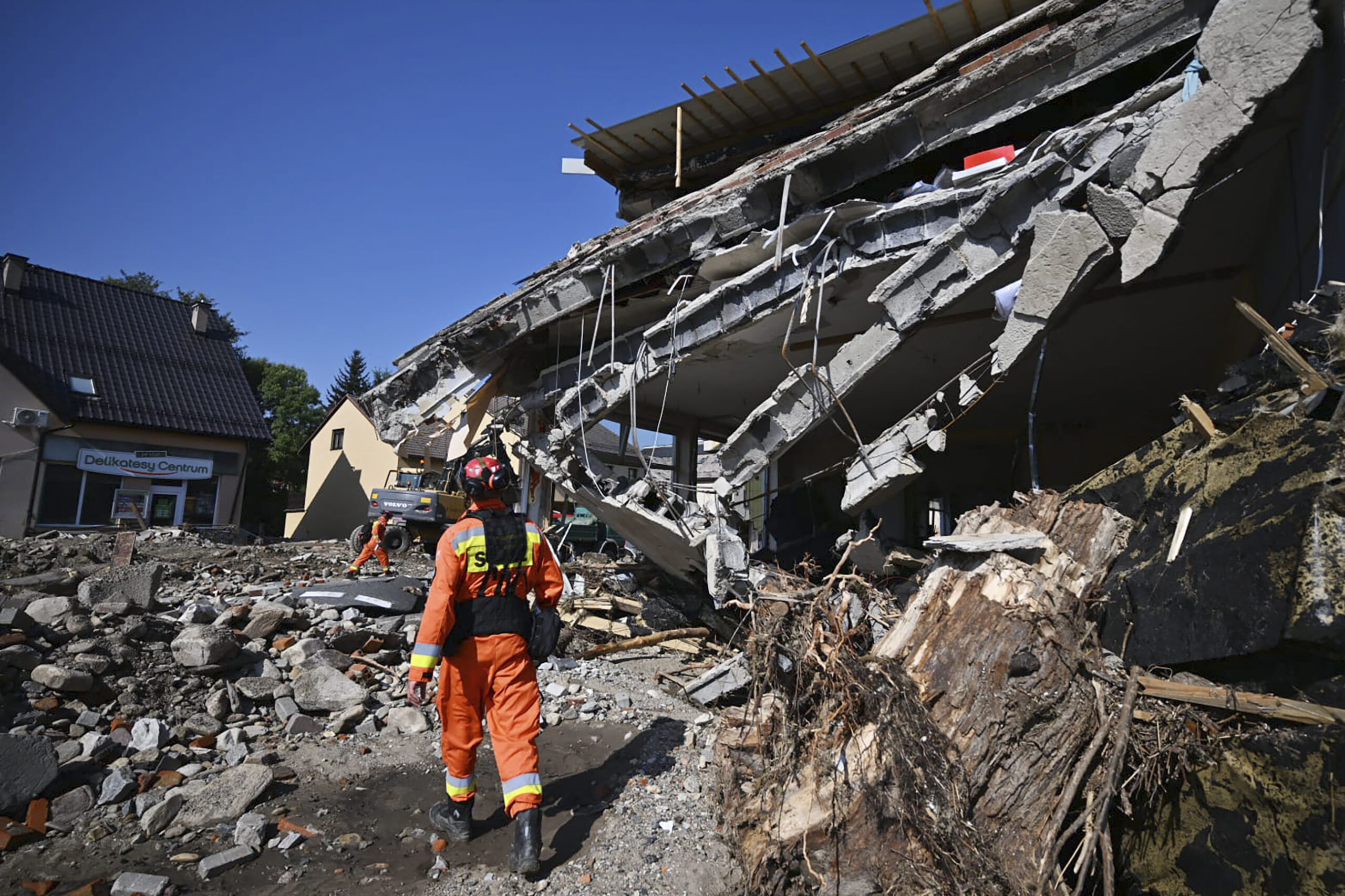
The concept of uninsurable areas has migrated from California’s wildfire zones to the heart of European risk management. The mechanism that modern societies rely on to absorb financial shocks from extreme weather is showing structural strain. According to EIOPA, the European Union’s insurance regulator, 75% of economic losses from natural catastrophes in Europe have historically gone uninsured. That share is widening as climate-driven events become more frequent and severe.
For investors, this is not a distant policy debate. It directly affects insurance premiums, reinsurance capacity, municipal bond spreads, real estate valuations, and the balance sheets of governments that are becoming insurers of last resort. The timeline is concrete: premiums rising, public schemes underfunded, and a proposed EU backstop that would require €65 billion in public funds.
The Protection Gap: Key Numbers Across Europe
The headline 75% figure hides wide variation. In Germany, the national insurance association has warned that premiums could double within a decade due to climate-driven claims. In France, the national natural disaster scheme CatNat has run a deficit since 2016. The government responded by raising the compulsory surcharge on all property insurance policies from 12% to 20% in January 2025.
California as a Preview
California offers a preview of what happens when private insurers exit. State Farm chose not to renew 72,000 home insurance policies in 2024 due to unsustainable wildfire risk. Six of California’s 12 largest insurers paused or restricted new policies. The FAIR Plan, the state’s insurer of last resort, grew from 271,000 policies in force in 2022 to 684,000 by March 2026 – a 152% increase. It nearly collapsed after the January 2025 Los Angeles wildfires and required a $1 billion emergency bailout.
Europe has not yet reached that point. The trajectory is similar. France’s CatNat scheme has paid out over €50 billion since 1982, and the strain is accelerating. The UK’s Flood Re reinsurance pool, set up in 2016, is scheduled to expire in 2039 on the assumption that flood defences will have reduced risk enough for private insurers to return. There is increasing doubt that transition will be achievable.
Why Traditional Insurance Models Are Breaking
Insurance works by pooling uncorrelated risks across a large population. Climate change breaks that logic. When wildfire, flood, and storm risks become both more frequent and more correlated, the actuarial math shifts. Insurers respond by raising premiums, restricting coverage, or exiting markets entirely.
Reinsurance as the Canary
Reinsurers – companies that insure the insurers – feel the pressure first. Swiss Re reported that 57% of global natural catastrophe losses in 2024 went uninsured. When reinsurers pull back capacity, primary insurers have less room to absorb risk. That forces them to raise premiums further or withdraw from high-risk zones.
Two instruments have emerged to fill part of the gap:
- Catastrophe bonds (CAT bonds): introduced after Hurricane Andrew, these allow reinsurers to raise money from investors upfront, guaranteeing funds are available when a disaster strikes. They lock in prices for multiple years.
- Parametric insurance: pays out automatically when a pre-defined threshold is crossed (e.g., rainfall exceeding a certain level). It does not require physical damage inspection, making it useful in remote areas or developing countries with low insurance penetration.
Neither instrument solves the core problem. The protection gap persists because the underlying risk is growing faster than the market’s ability to price and distribute it.
Government Backstops: Three Models Under Stress
Governments across Europe are stepping in with three distinct approaches, each carrying its own risk profile for investors.
France’s CatNat: Compulsory Solidarity Under Strain
CatNat makes natural disaster cover compulsory and automatically included in every property insurance policy. Every policyholder pays a mandatory surcharge regardless of location. The scheme has covered over €50 billion in payouts since 1982. The deficit since 2016 forced the surcharge hike to 20%. That is a direct cost on every property owner in France, and it is likely to rise further.
UK’s Flood Re: A Temporary Pool with an Expiration Date
Flood Re pools flood risk across the entire UK insurance market to keep premiums affordable in high-risk areas. It is set to expire in 2039. The premise is that flood defences and risk reduction will allow private insurers to price risk accurately by then. If that premise fails, the government will face a choice: extend the scheme, nationalise flood insurance, or let premiums spike.
The Proposed EU Public-Private Reinsurance Scheme
Modeling suggests a pan-EU scheme could reduce the protection gap from 75% to about 10% by pooling climate risks across a diversified geographic area. The catch: it would require up to €65 billion in backstop capacity from public funds to handle the most extreme events. That is a contingent liability on EU member states that is not yet priced into sovereign bond spreads or insurance-linked securities.
Affected Assets and Sector Read-Through
The uninsurable area trend creates winners and losers across multiple asset classes.
Insurance and Reinsurance Stocks
Primary insurers with concentrated exposure to high-risk European regions face margin compression as premiums rise but claims accelerate. Reinsurers like Munich Re and Swiss Re have more pricing power. They also face tail risk from correlated events. The CAT bond market offers a diversifying return stream. It carries basis risk – the bond may not trigger even if losses are severe.
Real Estate and Mortgage-Backed Securities
Properties in flood-prone or wildfire-prone zones face declining values as insurance costs rise or coverage disappears. That affects mortgage lending and RMBS valuations. Lenders may require higher down payments or refuse loans in uninsurable areas, creating a feedback loop that depresses prices further.
Municipal and Sovereign Bonds
Governments that backstop insurance schemes take on contingent liabilities. France’s CatNat deficit and the proposed €65 billion EU backstop are real obligations that will eventually show up in fiscal accounts. Investors in French OATs or EU bonds should monitor the trajectory of climate-related disaster payouts.
What Would Confirm or Weaken the Thesis
Confirmation Signals
- A major European flood or wildfire that exhausts a national scheme’s reserves, forcing an emergency bailout similar to California’s FAIR Plan.
- Another large insurer announcing market withdrawal or non-renewals in a European region.
- Premium increases that exceed household income growth, triggering political intervention.
- The EU formally proposing the €65 billion backstop, which would crystallise the contingent liability.
Weakening Signals
- Successful large-scale flood defence investments that reduce insured losses in high-risk areas.
- Rapid adoption of parametric insurance that closes the protection gap without public funds.
- A multi-year period of below-average catastrophe losses that allows reinsurers to rebuild capacity.
- Regulatory changes that allow insurers to price risk more accurately without political pushback.
AlphaScala View: Structural Shift with Sector Read-Through
This is not a cyclical insurance story. It is a structural repricing of climate risk that will reshape property markets, government balance sheets, and insurance-linked securities for years. The Industrials sector has a direct read-through: companies that build flood defences, infrastructure, and disaster recovery equipment stand to benefit from increased public spending.
Caterpillar Inc. (CAT) carries an Alpha Score of 62/100 with a Moderate label in the Industrials sector. The company’s equipment is used in large-scale infrastructure projects, including flood control and rebuilding after disasters. As European governments ramp up spending on climate adaptation, CAT’s revenue exposure to that trend becomes a relevant factor for investors tracking the uninsurable area theme.
For a broader view of how structural shifts affect sector positioning, see our stock market analysis. For CAT-specific data, visit the CAT stock page.
The insurance mechanism designed for a stable climate is structurally underprepared for the current trajectory. The question is no longer whether the public sector will play a larger role. It is how quickly that role can be redesigned – and who pays for it.